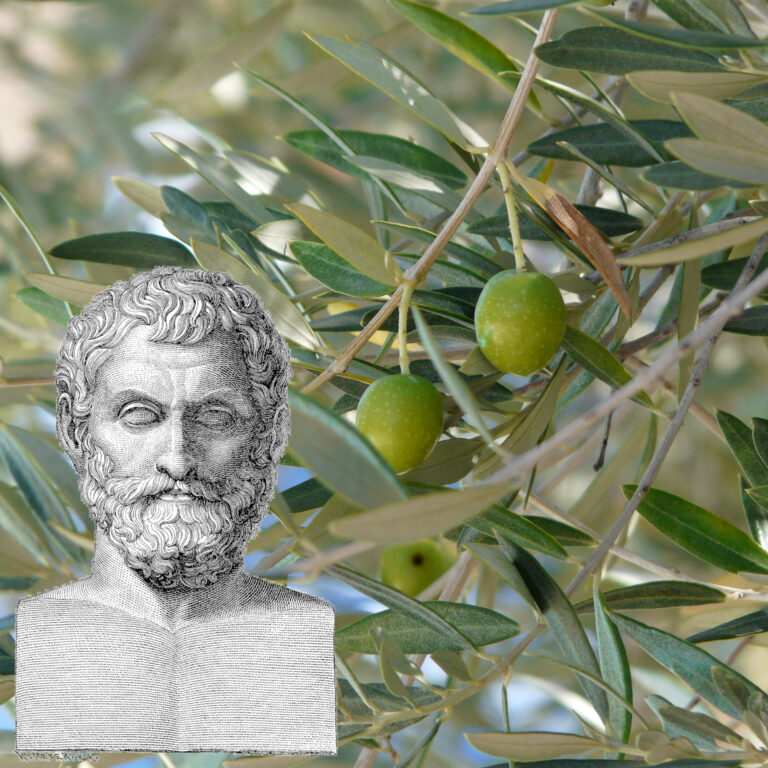
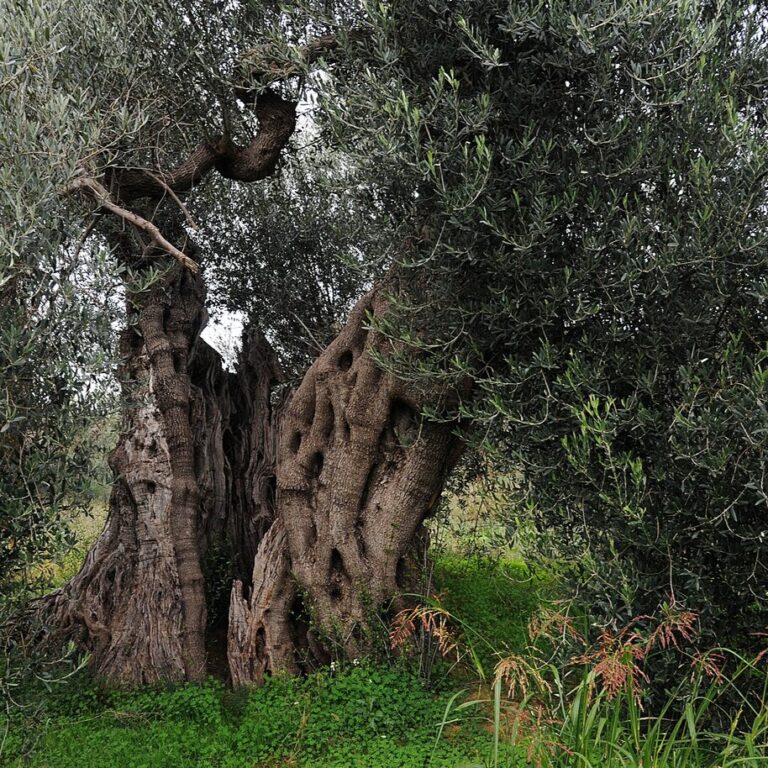
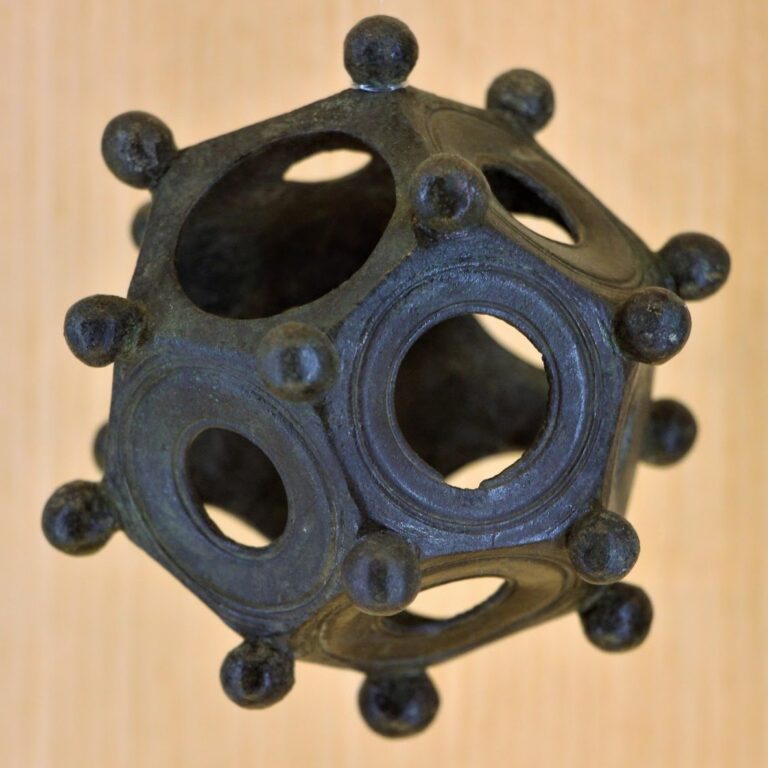
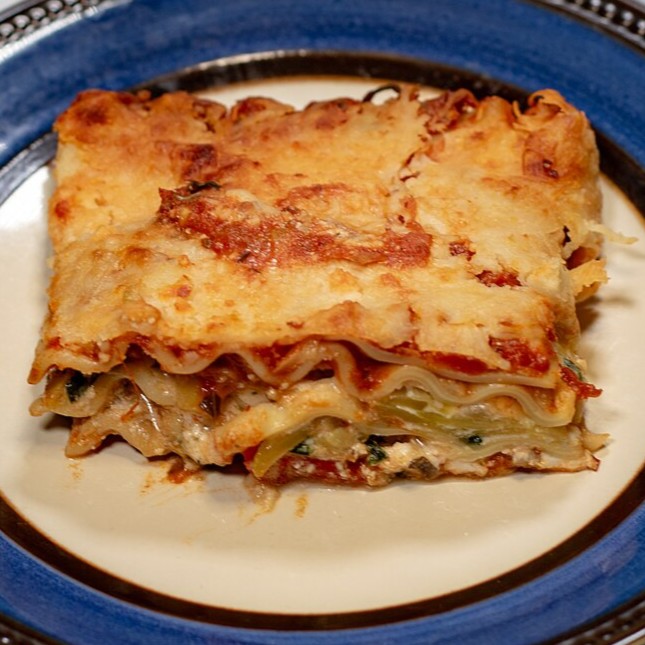
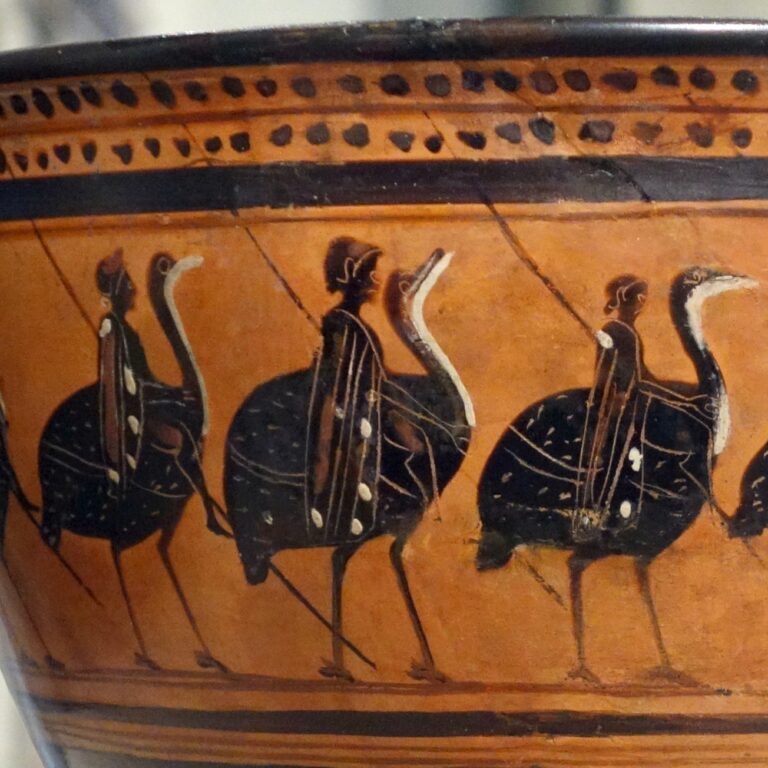
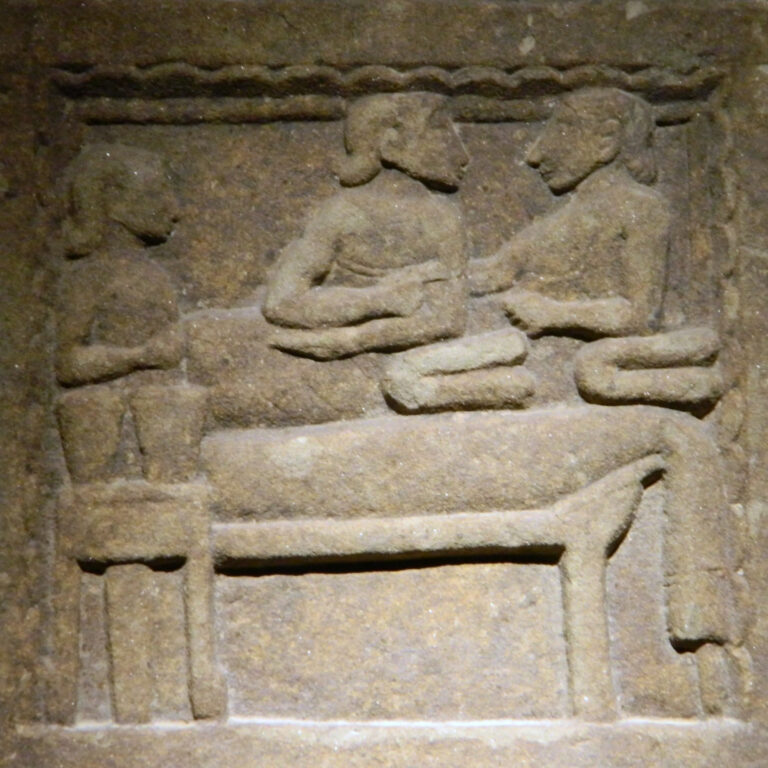
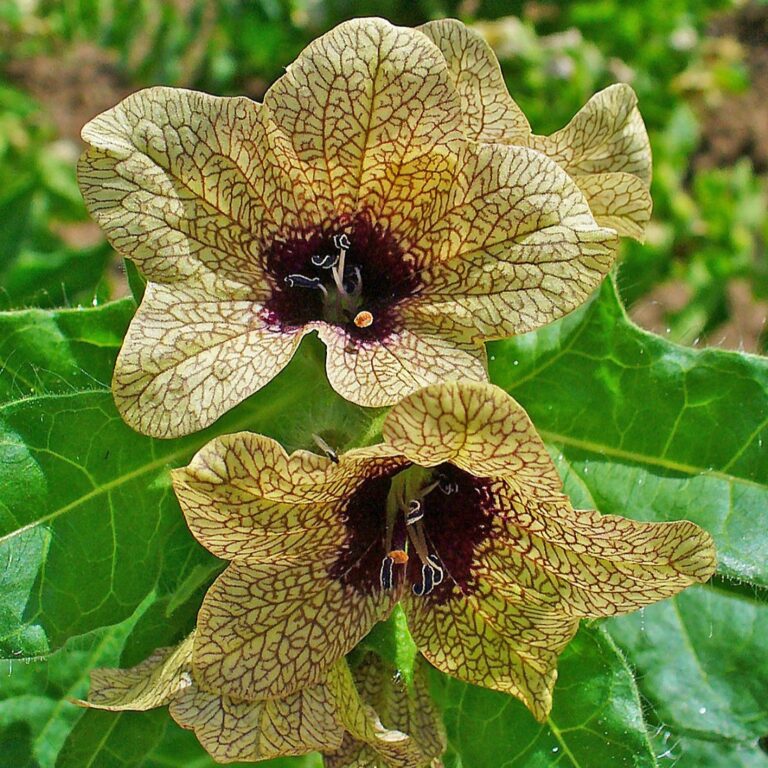
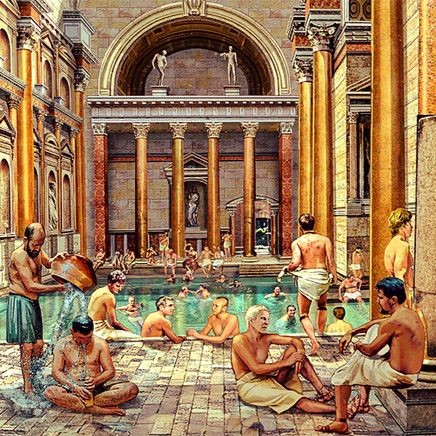
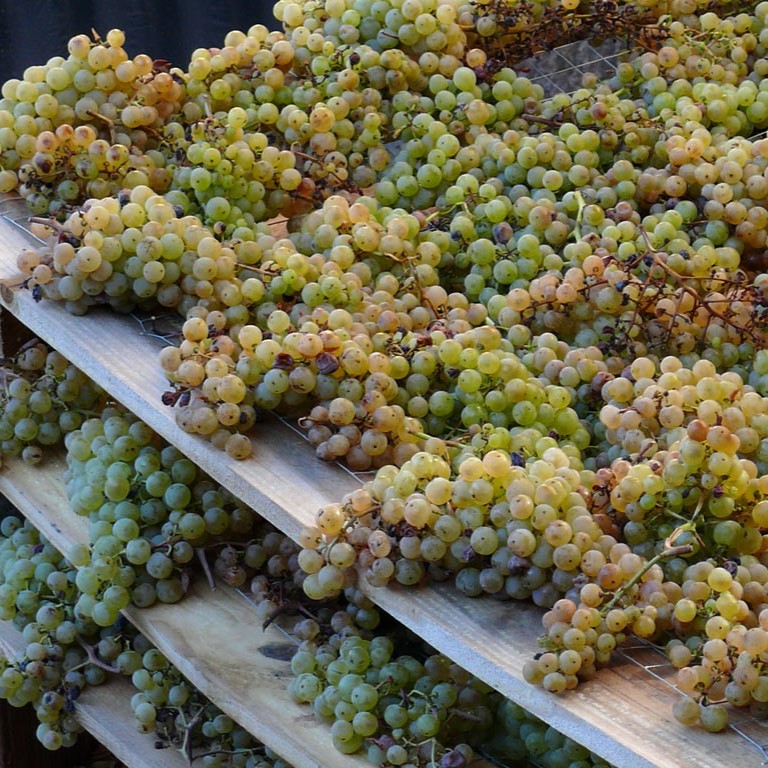
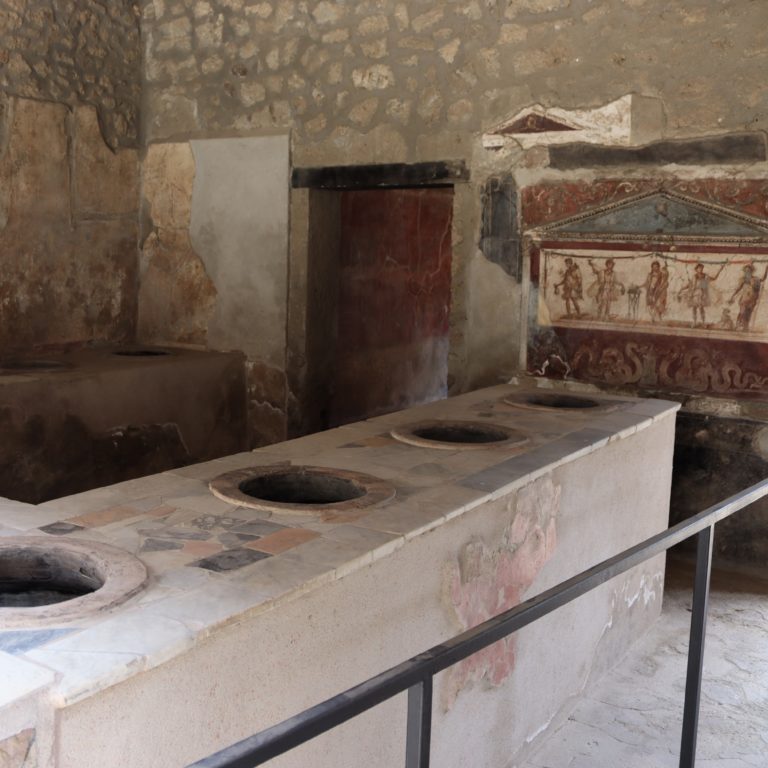
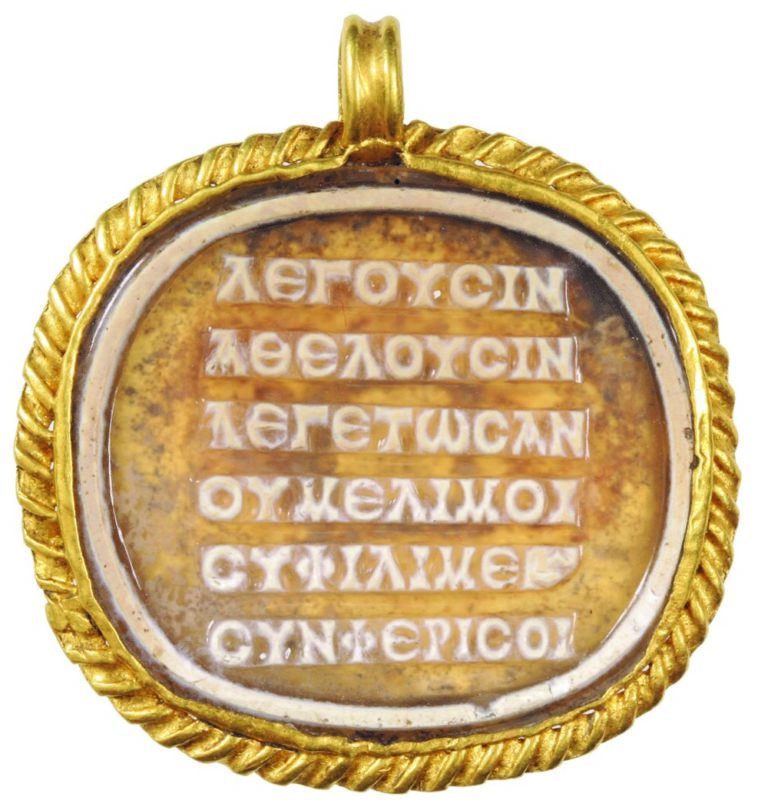
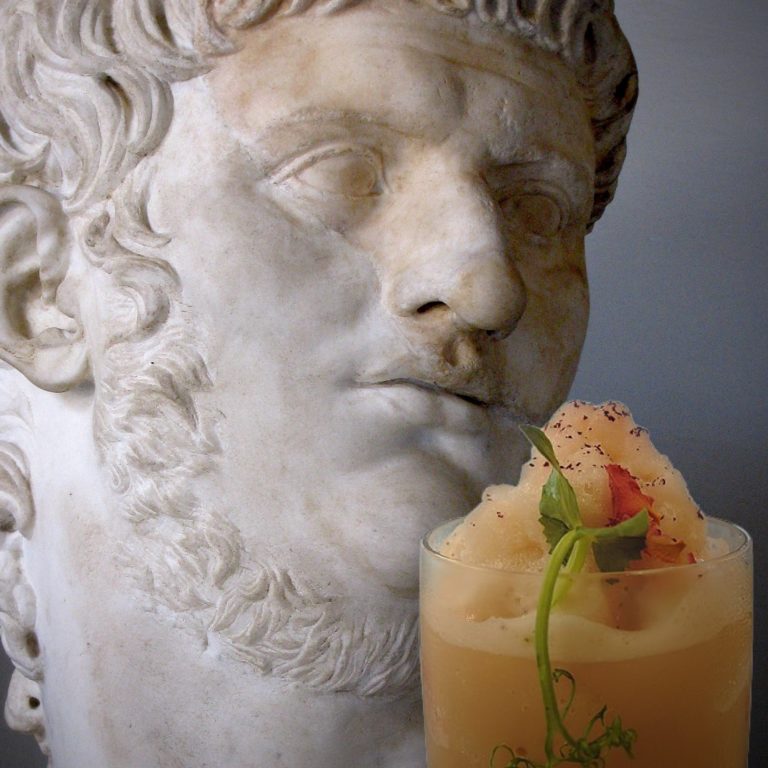
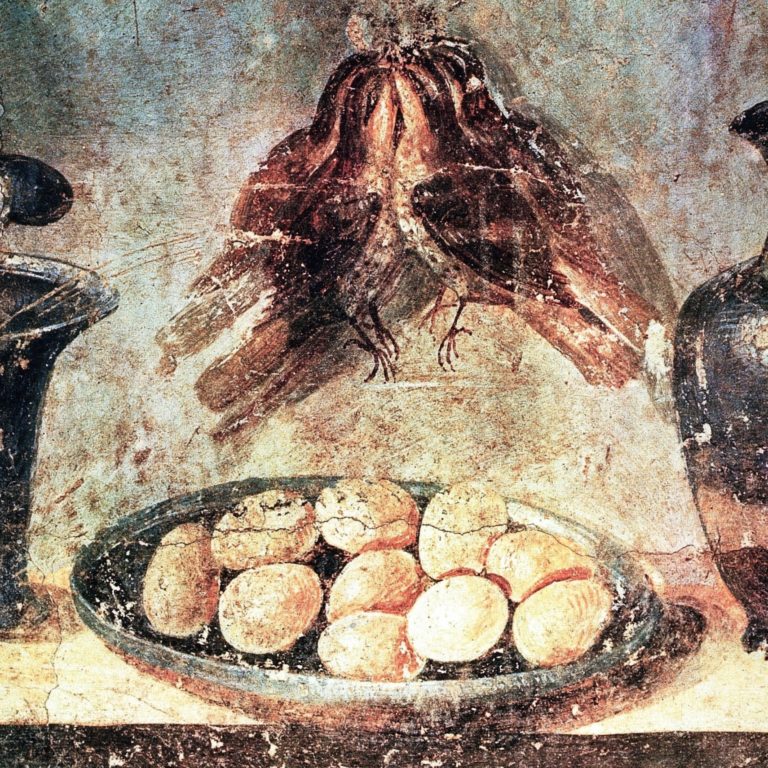
NewestOldestAlphabeticalWas Bologna’s mortadella born in ancient Rome?Two Roman stelae from Bologna, a mortar and a swineherd: was mortadella born in ancient Rome? Sources, Apicius and etymology.Palamedes, the hero who lost the game to OdysseusPalamedes, the forgotten hero of the Trojan War, is said to have invented board games and dice for the Greek soldiers.The suspect art of sucking ancient beer through a strawGreeks and Romans scorned beer as a barbarian drink sipped through a straw. Yet it was widely drunk across the Roman provinces.The Roman apothermum: when milk muscles inWas the apothermum a Roman milk pudding? Apicius’s recipe has neither milk nor honey. Origins, ancient sources and modern versions.Meditrinalia festival: to your health!Meditrinalia, 11 October: why did the Romans drink new and old wine to stay healthy? Ritual, goddess Meditrina and modern theories.Children on the menu at the Bacchanalia? Investigating an ancient rumourWere children eaten in Dionysus's cult? Myths, ancient sources and modern studies dismantle a rumour from Greece and Rome.When Jupiter gave humans their daily acornScorned by Latin poets as primitive food, the acorn never left Roman tables: Pliny, Galen and archaeology tell the story.To leaven or not to leaven: bread-making methods in ancient RomeHow did the Romans leaven their bread? Sourdough, ale barm and unleavened ritual loaves in Cato, Pliny and the bakeries of Pompeii.Saffron in antiquity: red gold with a thousand usesSaffron in ancient Rome: a rare, often faked spice that scented wine and theatres alike. Its history, fraud tricks, and myths.Olives to get rich: Thales’s wagerThales the philosopher allegedly cornered Miletus's olive presses to silence those who mocked his poverty. History or legend?From melomeli to marmalade: a medley of quincesA preserve of quinces in honey, an apple so sweet it was called a “honey-apple”, a witty poet who confuses them on purpose: marmalade has, behind it, a history of […]The Recipe-less Cuisine of the PharaohsBread, beer, tiger nuts and ritual cakes: a journey through ancient Egyptian food, from archaeology to Herodotus and Diodorus.Oxymel, a culinary oxymoronVinegar and honey: the sharp-sweet mixture is enough to raise an eyebrow – it is almost a culinary oxymoron. The Greeks and Romans, however, saw no contradiction in it: they […]Ancient propolis: mysterious remedy and magical substanceHow the Greeks and Romans used propolis: medical remedy and magical substance, from Aristotle and Pliny to a magic papyrus.Epityrum: the olive, mother of all good pastesTapenade may have an ancient ancestor: the Roman epityrum and Greek stemphylon, olive pastes already enjoyed in antiquity.In antiquity, lavender didn’t cleanse – it curedLavender in antiquity: the bitter medicinal herb stoechas, from imperial antidotes to Greek and Latin etymology.Popina, caupona, taberna: eating out in ancient RomeFast food, taverns, and dives: Roman towns teemed with places to eat and drink, despite the elite's disdain.The onion in Antiquity: not such a humble bulbThe onion in Graeco-Roman Antiquity: a food of the masses, an object of mockery, a contested remedy and a debated aphrodisiac.A “computer” at your fingertipsHow the Greeks and Romans counted up to 9999 on their fingers: history, iconography and ancient sources on finger-reckoning.In Homer, one lotus can hide othersWhat did the Lotus-eaters really eat in Homer's Odyssey? Not the Egyptian lotus but the wild jujube, according to ancient sources.The Odyssey: Odysseus at table with monstersHow food in the Odyssey marks the line between men, monsters and gods, from Polyphemus to Penelope's suitors.when wheat sheds its hull, Roman dough risesFrom far to siligo: how naked wheat transformed bread-making, the economy and society across the Roman Empire.The hulled wheats, rustic ancestors of the Roman cereal systemEinkorn, emmer and spelt: the three "hulled" grains that fed Rome before naked wheat took over, from ritual to milling.Grain and humans in pre-Roman ItalyFrom the Neolithic to the Etruscans: how cereals shaped the landscapes, rituals and societies of the Italian peninsula long before Rome.Barley, millet, rye and oats: the cereals of the marginBarley, millet, rye and oats: the story of the forgotten grains of Roman food – scorned, essential, and pushed to the edges of empire.How Rome kept its wine from turning to vinegarHow the Romans kept their wine from turning to vinegar: from Cato to Galen, presses, *dolia*, cooked must and salt in the service of wine.Roman asparagus: a humble shoot that went to its headFrom wild *corruda* to cultivated *asparagus*: how a humble shoot became a Roman luxury, with Pliny, Apicius and Caesar.Pestle, herbs and cheese: the secret of the moretumLe moretum dans la Rome antique: histoire de cette préparation traditionnelle de fromage et d'herbes pilées au mortier.Pestle, herbs and cheese: discover the moretum, a Roman preparation in three variants, from a poor peasant's rustic dish to a refined élite recipe.Eat and observe: the art and survival of the ancient parasiteFrom Greek religious official to Roman comic buffoon: the story of the parasite, antiquity's most clear-sighted character.Ten thousand snails for a purple togaFrom Phoenician shores to Roman imperial law: the history of Tyrian purple, the most precious and most imitated pigment of the ancient world.Puls, porridge of the ancients, the wealthy and the godsFrom archaic staple to Apicius and the altars of Carna: the full history of Roman *puls*, the porridge that never disappeared.Did the Romans eat the animals slaughtered in the arena?What happened to the animals killed in Roman arenas? Evidence that their meat was distributed, consumed, and served at the emperor's table.Sybaris, birthplace of the culinary patentIn Sybaris (510 BC), a law gave cooks a one-year exclusive right over their inventions: the world's first culinary patent.Rome and the bees: a honeymoonLong before it sweetened desserts, honey softened wines, enhanced meats, healed wounds and fed myths. For the Romans, bees were not merely producers of sweetness: they formed an exemplary society, […]The pig, the ox and the champion – Eating to winPork for long bouts, wine controlled by the trainer, imposed meals and shortened nights: the diet of competitive athletes in the Greco-Roman world had nothing to do with a simple […]Rome in all its shades, from weld to kermesPlant dyes, kermes, social codes: what colours revealed about rank and morals in ancient Rome.From wool to silk: the fabric of an EmpireFrom wool to silk: how Roman dress reflected trade, conquest and social hierarchy across the centuries of the Empire.The polis: when the city was also a board gameThe *polis*, an ancient Greek board game played with pieces and encirclement, as reflected in the metaphors of Plato, Aristotle and Polybius.Sapa, defrutum, caroenum… three names for an ancient syrupSapa, defrutum, caroenum: the cooked must concentrates of Roman antiquity, between cookery and preservation.At the banquet of Mekone, humanity’s fate was sealedA misdivided bull, stolen fire, a jar rashly opened: at the banquet of Mekone, the fate of humanity is sealed, according to Greek mythology.Can Pompeii’s bread be recreated?Flour, dough, mysterious groove: what went into Pompeii's bread in 79 CE? A rigorous investigation into the panis quadratus.From the greco-roman artolaganus to neapolitan pizzaIn Pompeii, a fresco revives the debate: ancient artolaganus or ancestor of pizza? Sources and analysis.Homer’s moly: twenty-five centuries of mysteryBlack root, white flower, divine power: the search for Homer's moly, the antidote to Circe's magic, from ancient naturalists to modern pharmacology.The mandrake, a plant that defends itselfThe mandrake in antiquity: anaesthesia, love philtres and harvesting rituals in Pliny, Theophrastus and Flavius Josephus.Rooted in the cosmos, magical plants in antiquityIn Greek and Roman antiquity, plants nourish, heal and bewitch. A look at the myths, laws of magic and rituals governing their gathering.Olive-growing in Italy before RomeOlive-growing in Italy before Rome: a 2026 study shows local oil production dating back 4,000 years, long before the Greeks and Romans.Gallo-Roman dodecahedron: twelve faces, zero answers?Hollow bronze objects with twelve faces, found across north-western Roman provinces — and still unexplained. A 2025 study proposes a Pythagorean-druidic ritual use.How the ancient laganon became lasagneFrom the Greek laganon to lasagne: the history and transformations of a word and a food from antiquity to the present day.Ostrich on the menuGreeks and Romans and the ostrich: from fantastical creature to banquet dish, via Pliny, Apicius and Heliogabalus.In Apicius’ garden: aromatic plantsAromatic plants used in ancient cooking had been known for millennia and remain indispensable to Mediterranean cuisine today.AI reconstructs the rules of a forgotten Roman gameAI reconstructs the rules of a forgotten Roman board game discovered at Coriovallum (Heerlen). A first in the archaeology of ancient games.Abracadabra! Or how to cure a fever in RomeWhere does the word abracadabra come from? In the 3rd century AD, this magical formula was used as a fever cure in Rome. Origins and sources.Drink and love today… for tomorrow is uncertainTwo drinking cups from Falerii Veteres bear a 2,300-year-old Faliscan inscription: a call to seize the moment, forerunner of carpe diem.Kykeon, or homeric cokeWas kykeon, the ritual drink of the Eleusinian Mysteries, laced with psychoactive ergot? A 2026 study provides the first chemical proof.The social ascent of Eros the cocusFrom slave cook to freedman: the documented social ascent of Eros the cocus in ancient Rome, traced through funerary inscriptions.Alphabetical guide to foods that did not exist in the Roman worldTomatoes, potatoes, maize: discover the foods Romans never knew. A journey through food history and the Columbian Exchange.The satyrs’ secret gardenSavory, mint, saffron: discover the aphrodisiac plants of Greco-Roman Antiquity and their mythological virtues.Fifty shades of sowDiscover how the Romans cooked pork in all its forms. From Pliny to Apicius, fifty flavours of a central animal in Roman life.When Petronius and Ovid invite themselves to the tricliniumThree elegiac distichs adorn the triclinium of the House of the Moralist in Pompeii. When Ovid and Petronius dictate etiquette.August 24 or October 24? The date of Vesuvius’ eruption is debatedThe date of Vesuvius' eruption is debated: August 24 or October 24, 79 CE? New archaeological discoveries at Pompeii.Julius’s New YearWhy does the year begin on January 1st? Discover how Julius Caesar reformed the Roman calendar in 46 BCE.Celebrating Saturnalia in the 21st Century!Saturnalia is an ancient Roman festival celebrated from December 17 to 23 in honor of Saturn, the god believed to have introduced agriculture and the arts of civilized life. It […]An ancient shopping listA Greek papyrus letter from Roman Egypt reveals an ancient shopping list with food, prices and everyday life in the 3rd century CE.The Saturnalia under Lucian’s critical gazeLucian of Samosata criticizes social inequalities in The Saturnalia, a satire of the excesses and paradoxes of this Roman festival.Yoghurt, barbarian delicacy for Roman palatesPliny the Elder, in the 1st century, didn't mince his words: for him, curdled milk was a barbarian affair. One can picture it: nomadic horsemen traversing the steppes with sheepskin […]A spicy history of pepperHow pepper became Rome's luxury spice. From Indian trade routes to Pliny's surprise at its price—a pungent ancient history.For the dough to risePhallic plaques at Pompeii bakeries warded off bad luck and ensured dough would rise. Discover ancient Roman bread-making superstitions.From amphora to barrel…From Roman icon to forgotten relic to modern revival: discover why winemakers are returning to ancient clay amphorae.Sentia Amarantis, tabernaria at Emerita AugustaSentia Amarantis, a 3rd-century tabernaria at Emerita Augusta: a funerary stele celebrating a working woman's trade in Roman Hispania.Feasting and Playing: An Etruscan Art of LivingDiscover how feasting and gaming shaped the Etruscan art of living — a refined culture of status, conviviality and mastery over chance.How relegation transformed Ovid’s view of gamesThere are virtually identical verses in Ovid's Art of Love and his Sorrows. Yet everything has changed. Between these two works, relegation far from Rome radically transformed the Roman poet's […]Black henbane: Trouble in the boneDiscovery of a drug stash in the Netherlands! In 2017, archaeologists excavating the Roman site of Houten‑Castellum uncovered something unusual. In a well dating to the late 1st century CE, […]Baths, Wine and SexDiscover Roman baths history and the "balnea vina Venus" philosophy that celebrated life's pleasures in antiquity.From Carthage to Rome: The ancient art of PassumRome destroyed Carthage, but not the entirety of its legacy. It is to Mago, a Punic agronomist from the 3rd century BCE, that we owe the most precise description of […]Famous women of AntiquityArtemisia, Cleopatra, Hypatia, Sappho… Discover fifteen remarkable women who shaped the ancient Greek, Roman and Near Eastern worlds.If a flamingo’s tongue could talk…with Deepl (please notify us of errors) Giraffe necks, elephant trunks, flamingo tongues... Tales of the culinary extravagances of the Romans have long fed the collective imagination. Pure invention? While […]Lentils in the New Year, luck all year round!De l'Antiquité à nos jours, les lentilles ont été associées à la prospérité. En Italie, elles font encore partie des traditions de Nouvel An.Roman doctors and cooks in the service of healthwith Deepl (please notify us of errors) Nunc est bibendum: Isn't it anachronistic to talk about dietetics in Roman times? Doesn't your analysis give in to fashion? Dimitri Tilloi d'Ambrosi: […]The fork, an utensil with teeth for successFrom ancient Rome to Sasanian Persia and the European courts: the surprising history of the fork, through archaeology and legend.In search of the lost torchMeat hook or Etruscan torch holder? The mysterious bronze graffione at Geneva's MAH, from solar solstice rites and the MET mirror to Molière's Harpagon.Roman finger game, from fun to fatewith Deepl (please notify us of errors) We have our ‘Rock Paper Scissors’, the Romans had their digitis micare[1], literally ‘waving your fingers around’. The principle is very simple: two […]Grapes on his heelsThe Karneia at Sparta: the staphylodromoi grape-runners' race between Apollo and Dionysus, war truce, and grape harvest.An uninviting but much-loved rutawith Deepl (please notify us of errors) Beware if you rub yourself against it: it can cause severe skin burns. The rue we're talking about here is a plant with […]Too much water in wine is cheatingPompeii graffiti, Martial’s epigrams, an epitaph: how ancient innkeepers watered down wine to cheat their customers‘At the cauldrons’, customers aren’t jugswith Deepl (please notify us of errors) From the top of these four jugs, almost 2,000 years look down on us. The fresco was discovered in a street in Herculaneum […]Institutio alimentaria: children, let’s eat!with Deepl (please notify us of errors) A skilful military strategist, a sensible statesman, loved by his soldiers and the people. And generous. Emperor Trajan was highly praised, both by […]Take the grain and be quiet!with Deepl (please notify us of errors) The news has caused quite a stir. Not only in archaeological circles, but also beyond: the recent discovery of a portion of the […]Drink or play Kottabos, there’s no need to chooseYou don't play with food. But in the Greek world, around the 5th century BC, this modern rule of etiquette did not apply. Imagine: at the end of a banquet, […]Don’t ever call me “Thermopolium” again…Did Romans really call their street food stalls thermopolium? Ancient texts suggest a very different story.A viral love poem in the ancient worldThe same Greek poem engraved on gems from Spain to Mesopotamia: the discovery of a 2,000-year-old viral hitSmelling divinely good, on the trail of ancient perfumeswith Deepl (please notify us of errors) Votre navigateur ne prend pas en charge la balise vidéo. The most basic method of creating pleasant scents was to burn branches, gums, […]Ancient cheese: the mozzarella mysterywith Deepl (please notify us of errors) A 1st-century Roman agronomist describes a strangely familiar cheese: curds plunged into boiling water, shaped into balls and preserved in brine. Had he […]The Gallic rooster, a tough cookieDid Caesar invent coq au vin at Gergovia? A legend refuted by ancient sources and by a Latin pun on gallus.Posca: may the force of sour be with you!Thirsty? How about a little vinegar with water? Once you've got past the pungent smell and the sourness of the first sip, you might just enjoy this beverage that the […]A Richly Littered Floorwith ChatGPT (please notify us of errors) Upon the mosaic floor, one can discern a fish, of which only the head and bones remain, a half-eaten bunch of grapes, crustacean […]Cave garum!with ChatGPT (please notify us of errors) Its name might sound like a punk band: garum. But in reality, it's quite different, even if its ingredients might suggest a "no […]A Knife More Roman than Swisswith ChatGPT (please notify us of errors) A question for sharp minds: who invented the "Swiss Army knife"? Counterintuitively, the answer is not in the question, and Swiss expertise in […]Gleukos, a sip of must?with ChatGPT (please notify us of errors) Not to be confused with the grape juice from our supermarkets. Living in a wine-producing region, one sometimes has the opportunity to taste, […]Rome burns: a look back at ancient heatwave ritualswith ChatGPT (please notify us of errors) - Article en français Heatwaves are sweeping across Europe. Interestingly, the ancient Romans too grappled with stifling summers. They referred to this sweltering […]At Calidius’, everything is hotwith ChatGPT (please notify us of errors) The reproduced stone depicted here, generally dated to the 1st century AD and found in Aesernia, 170 km southeast of Rome, was evidently […]The Shedeh: Tutankhamun’s mysterious nectarwith ChatGPT (please notify us of errors) Our winemaking tradition often evokes its Greco-Roman heritage. However, the cultivation of vines and the tradition of wine extend far beyond this geographical […]A spicy sauce by Apiciuswith DeepL & ChatGPT (please notify us of errors) Among the roughly five hundred Roman recipes that have miraculously come down to us thanks to the medieval manuscript tradition of […]Silphium: The First Victim of OverexploitationLe silphium, plante précieuse de l'Antiquité, a disparu il y a 2000 ans. Mythe ou réalité, des chercheurs tentent de l'identifier.Valentine’s Day or the end of the Lupercaliawith DeepL & ChatGPT (please notify us of errors) On this day in Rome, there were reports of naked men running unrestrained through the streets, wielding goat thongs to whip […]The SATOR square or the magic of wordsThe SATOR magic square is an ancient hit. For 2000 years its success has not waned. It unleashes passions and excites the imagination.Before Jesus eclipses the SunAt the end of the third century after our era, the Roman Empire was a mosaic of peoples with diverse traditions, increasingly prone to fragmentation, while imperial power itself was […]Saturnalia, Roman society upside downwith DeepL (please notify us of errors) Houses and streets became scenes of joyful revelry: the crowd goes out to form festive processions, the servants are served by their master, […]Greco-Roman ghost storywith DeepL (please notify us of errors) «I would really like to know if you think that ghosts exist, that they have a form of their own and some kind […]From Alexander to the fall of Rome: the bitter fate of the citronwith DeepL (please notify us of errors) When Alexander the Great's soldiers invaded the territory stretching from the Caspian Sea to the Persian Gulf, around 331 BC, they discovered a […]Porridge eaters who have conquered the worldwith DeepL (please notify us of errors) A Roman legionary, on a day when the army was on the move, could consume more than 4000 calories, just by walking, carrying […]Mulsum, wine of celebration, glory and healingThe idea of combining the harshness of wine with the sweetness of honey could only come from a god. In this case, Aristaeus, son of Apollo and the nymph Cyrene, […]“Vomitorium”, what comes to mind?with DeepL (please notify us of errors) When you hear the word vomitorium, what comes to mind? A room adjacent to the dining room where the satiated Romans could evacuate […]Nero, fire and iceThe Romans too felt the heat. Indeed, climatologists have determined, through the study of pollen, glaciers, sediments, and other traces, that the period from around 250 BCE to the 4th […]Mallow, soft and tastywith DeepL (please notify us of errors) You have probably come across it without knowing or recognising it: the great mallow (malva sylvestris1) thrives in the countryside as well as […]The egg, a whole dishwith DeepL (please notify us of errors) Ab ovo usque ad mala1. A good and copious Roman meal had to honour this expression: 'from the egg to the apple'. Usually […]No article matches your search.