Translated from French (please notify us of errors)
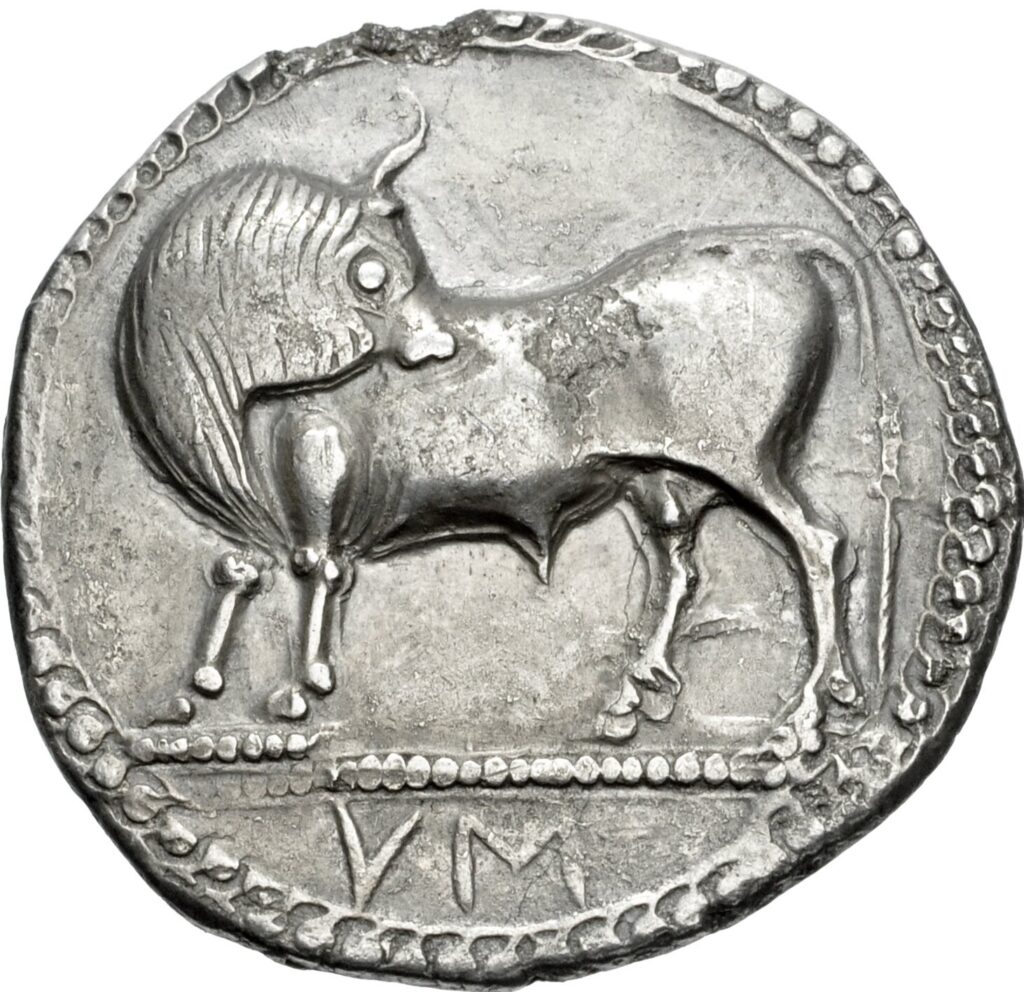
In Sybaris, a Greek city of Magna Graecia destroyed in 510 BC, a law granted the cook who had invented an original dish the exclusive right to prepare it for one year. This temporary monopoly was no mere whim of the Sybarites: it was an innovation policy before the term existed.
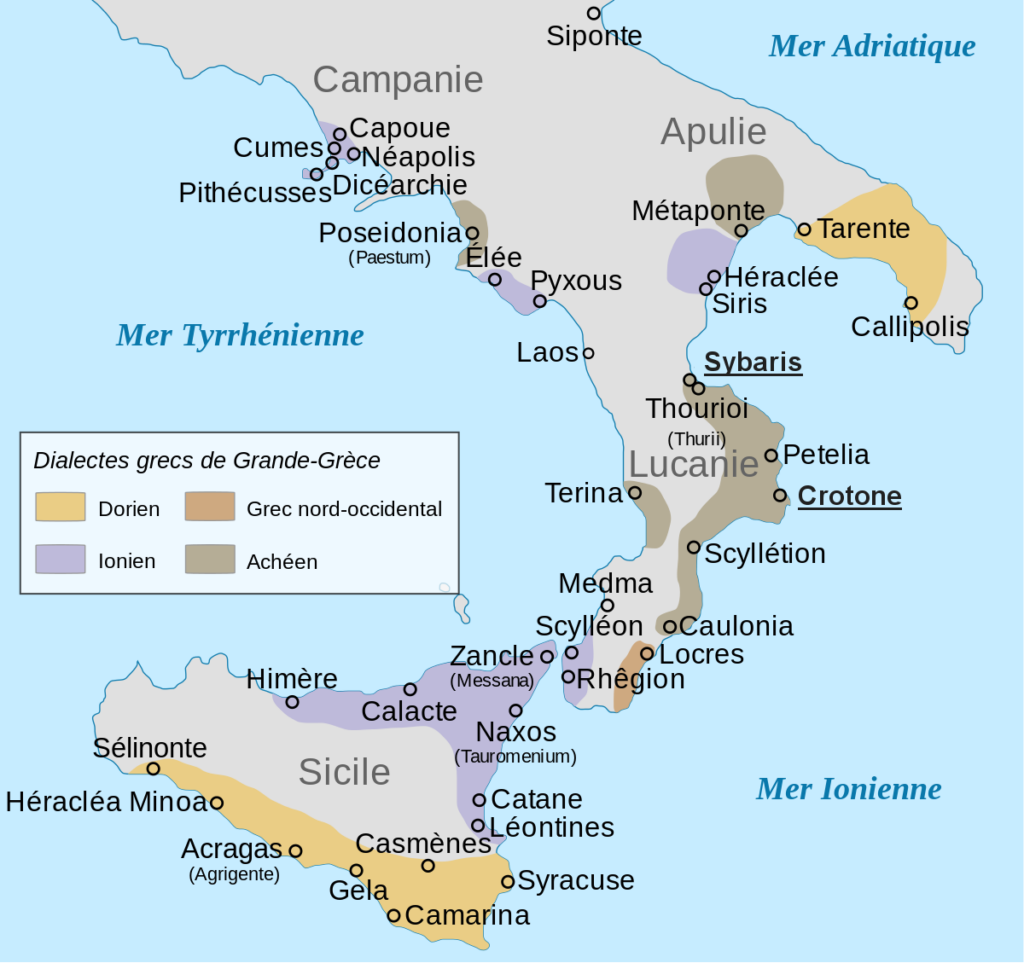
The city of Sybaris had a poor reputation: ancient authors pointed to its alleged tryphê (τρυφή), a soft and sensual way of life that could only end in tragedy. The city founded around 720 BC by Achaean colonists on the Ionian coast of present-day Calabria bequeathed to the vocabulary of modern languages an adjective — “sybarite” — that still evokes luxury, indolence, and the refusal of effort. But behind the anecdotes, one discovers a city capable of legislating on refinement.
The cook’s law
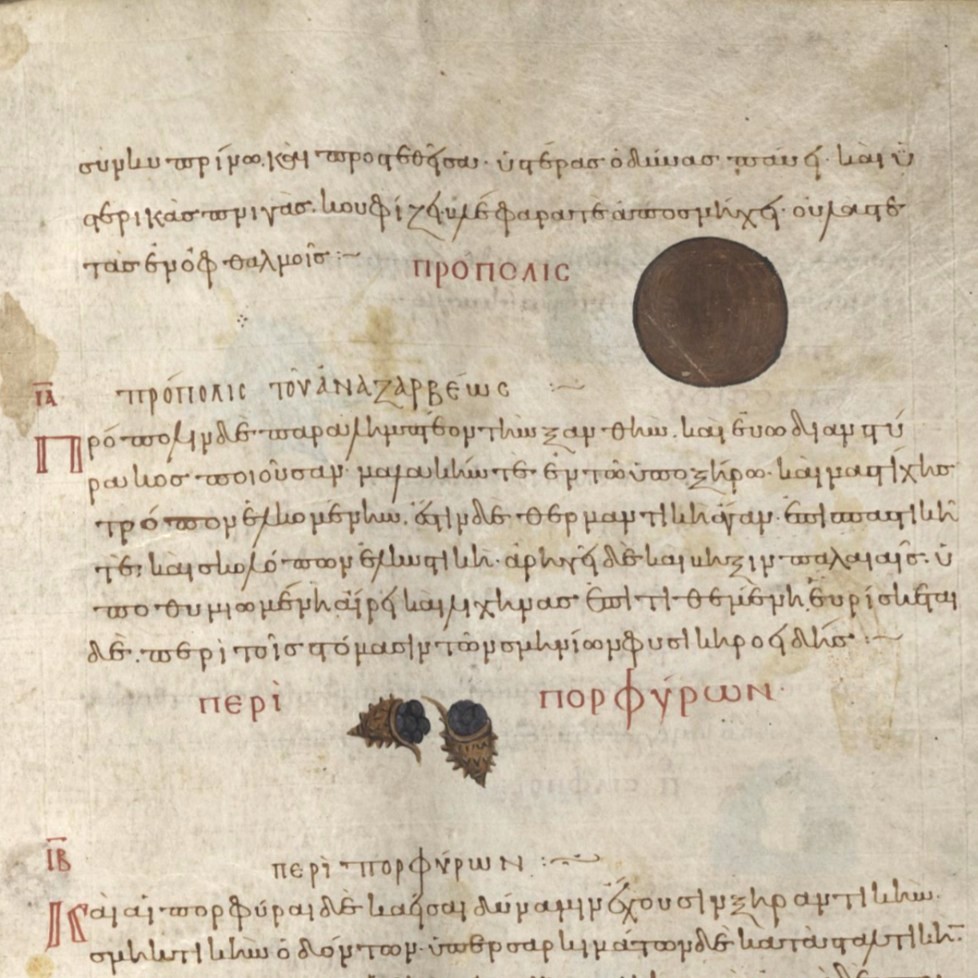
The source is Athenaeus of Naucratis, a Greek scholar of the 3rd century, whose Deipnosophistae (“the sophists at dinner”) constitute an encyclopaedia of the ancient banquet. In Book XII, Athenaeus cites the historian Phylarchus, who had gathered in his Histories (3rd century BC) a series of Sybarite legislative measures. One of them concerns cooks:
“If one of the preparers of dishes or the cooks has invented a dish that is his own and exceptional, no other person has the right to make use of it for a year; he alone has the exclusive right during that time, so that the first inventor may also derive benefit from it — and so that the others, applying themselves with ardour, may surpass themselves in such creations.”[1]
The text is precise. The law protects two categories of professionals: the opsopoios (ὀψοποιός), the preparer of refined dishes, and the mageiros (μάγειρος), the butcher-cook-sacrificer, a professional hired to serve at banquets[2]. The thing protected is a dish that is its inventor’s own and exceptional. The purpose is explicitly twofold: to guarantee the inventor one year’s benefit from his discovery, and to stimulate emulation among others. This is not strictly speaking a culinary prize, but rather a temporary monopoly of exploitation.
A very prosperous city
The provision concerning cooks is not an isolated one. Phylarchus cites it within a set of Sybarite measures: women invited to banquets were invited a year in advance, to give them time to prepare their finery; sellers of eels from the Crathis and fishermen of sea-purple were exempt from taxes[3]. Athenaeus also notes that the best cooks were publicly crowned at civic feasts[4]. The mageiros here is a figure of singular dignity: honoured, protected, rewarded. The city legislated on his art as it legislated on its dyers and its fishermen.
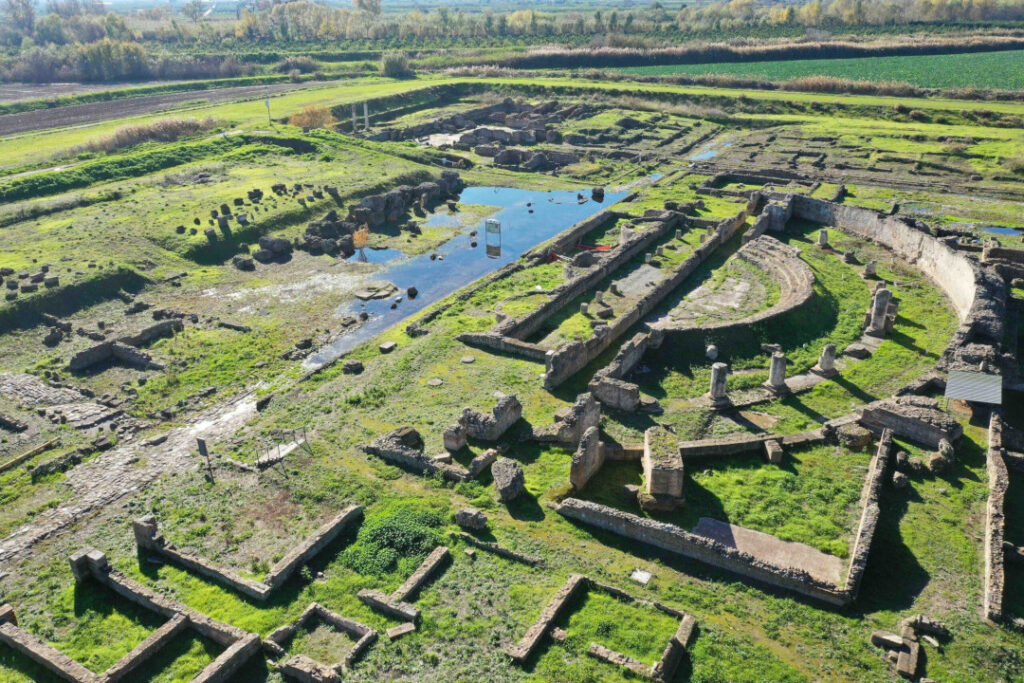
This legislative coherence must be read in the light of what Sybaris was in the 6th century BC: the most prosperous city in the western world, a passage point between the Ionian and Tyrrhenian seas, where goods from the East passed overland to the Etruscan ports. The city was bound by treaties of friendship with Miletus — from which it imported wool — and with the Etruscans. Suitors from several regions of the Greek world made their way to Sicyon to seek the hand of Agariste, daughter of Cleisthenes. Among them was Smindyrides of Sybaris, son of Hippocrates (not the physician — a namesake), “who had carried luxury further than any other man.” Sybaris was then at its height[5]. According to the tradition reported by Athenaeus, Smindyrides was said to have been accompanied by a thousand cooks and fowlers.
Tired by proxy
The Greeks of the mainland looked upon the cities of Magna Graecia with a condescension mingled with envy, and the Sybarite anecdotes belong largely to the genre of moral caricature. A number of comic stories about the Sybarites were in circulation. Athenaeus reports one that he attributes to Timaeus:
“A Sybarite, going out to the fields one day, said that at the sight of the labourers digging he had pulled a muscle. One of those listening replied that he himself had tired his side merely from hearing the tale.”[6]
The Sybarite tryphê (τρυφή) is largely a rhetorical topos. Strabo sums up the ancient verdict in a single phrase: the prosperity of Sybaris “was destroyed by the softness and excess of its inhabitants”[7].
But what we know of the cook’s law belongs to an altogether different register. It shows a city protecting and promoting its finest talents. It reflects a highly organised society capable of enacting legislation with an economic purpose. It presupposes an administration, courts of law, and a complex notion of temporary ownership over an intangible good. In this sense, it is not the fruit of Sybarite indolence — it is its antithesis.
Sybaris disappeared in 510 BC, destroyed by its neighbour Croton and submerged beneath the waters that the Crotonians diverted over its ruins[7]. With it disappeared its wealth, its laws, and its exclusive recipes.
Modern studies consulted
- Auberger, Janick, Manger en Grèce classique. La nourriture, ses plaisirs et ses contraintes, Presses de l’Université Laval, 2001
- Ponnelle, Louis, “Le commerce de la première Sybaris,” Mélanges de l’École française de Rome 27, 1907, pp. 243–276
[1] Athenaeus of Naucratis, Deipnosophistae XII, 20, ed. Kaibel (Teubner, 1887–1890), citing Phylarchus, Histories XXV: εἰ δέ τις τῶν ὀψοποιῶν ἢ μαγείρων ἴδιον εὕροι βρῶμα καὶ περιττόν, τὴν ἐξουσίαν μὴ εἶναι χρήσασθαι τούτῳ ἕτερον πρὸ ἐνιαυτοῦ ἀλλʼ ἢ αὐτῷ τῷ εὑρόντι, τὸν χρόνον τοῦτον ὅπως ὁ πρῶτος εὑρὼν καὶ τὴν ἐργασίαν ἔχῃ, πρὸς τὸ τοὺς ἄλλους φιλοπονοῦντας αὑτοὺς ὑπερβάλλεσθαι τοῖς τοιούτοις – “If one of the preparers of dishes or the cooks has invented a dish that is his own and exceptional, no other person has the right to make use of it for a year; he alone has the exclusive right during that time, so that the first inventor may also derive benefit from it — and so that the others, applying themselves with ardour, may surpass themselves in such creations.”
[2] Athenaeus, Deipnosophistae XII, 20: εἰ δέ τις τῶν ὀψοποιῶν ἢ μαγείρων ἴδιον εὕροι βρῶμα καὶ περιττόν – “if one of the preparers of dishes or the cooks has invented a dish that is his own and exceptional” (full text in note [1]).
[3] Athenaeus, Deipnosophistae XII, 20: ὡσαύτως δὲ μηδὲ τοὺς τὰς ἐγχέλεις πωλοῦντας τέλος ἀποτίνειν μηδὲ τοὺς θηρεύοντας· τὸν αὐτὸν τρόπον καὶ τοὺς τὴν πορφύραν τὴν θαλαττίαν βάπτοντας καὶ τοὺς εἰσάγοντας ἀτελεῖς ἐποίησαν – “likewise, those who sell eels pay no tax, nor do the fishermen; in the same way, those who extract sea-purple and those who import it were exempted.”
[4] Athenaeus, Deipnosophistae XII, 17: στεφανοῦσθαι καὶ τῶν μαγείρων τοὺς ἄριστα τὰ παρατεθέντα διασκευάσαντας – “the cooks who had best prepared the dishes served were also crowned.”
[5] Herodotus, Histories VI, 127: ἀπὸ μὲν δὴ Ἰταλίης ἦλθε Σμινδυρίδης ὁ Ἱπποκράτεος Συβαρίτης, ὃς ἐπὶ πλεῖστον δὴ χλιδῆς εἷς ἀνὴρ ἀπίκετο· ἡ δὲ Σύβαρις ἤκμαζε τοῦτον τὸν χρόνον μάλιστα – “from Italy came Smindyrides son of Hippocrates, of Sybaris, who had carried luxury further than any other man; and Sybaris was then at the height of its power.”
[6] Athenaeus, Deipnosophistae XII, 15, citing Timaeus: ἱστορεῖ δὲ περὶ αὐτῶν Τίμαιος ὅτι ἀνὴρ Συβαρίτης εἰς ἀγρόν ποτε πορευόμενος ἔφη ἰδὼν τοὺς ἐργάτας σκάπτοντας αὐτὸς ῥῆγμα λαβεῖν· πρὸς ὃν ἀποκρίνασθαί τινα τῶν ἀκουσάντων αὐτὸς δὲ σοῦ διηγουμένου ἀκούων πεπονεκέναι τὴν πλευράν – “Timaeus records that a Sybarite, going out to the fields one day, said that at the sight of the labourers digging he had pulled a muscle; and that one of those listening replied that he himself had tired his side merely from hearing the tale.”
[7] Strabo, Geography VI, 1, 13: ὑπὸ μέντοι τρυφῆς καὶ ὕβρεως ἅπασαν τὴν εὐδαιμονίαν ἀφῃρέθησαν ὑπὸ Κροτωνιατῶν· ἑλόντες γὰρ τὴν πόλιν ἐπήγαγον τὸν ποταμὸν καὶ κατέκλυσαν – “through their softness and excess, all this prosperity was taken from them by the Crotonians; having taken the city, they diverted the river and flooded it.”
Other articles in English from the Nunc est bibendum blog