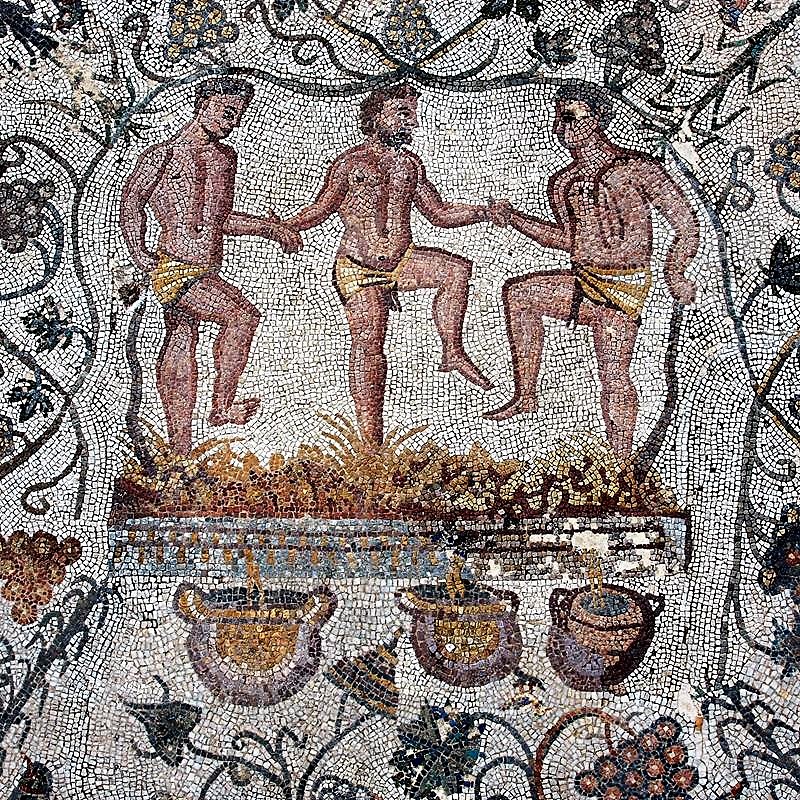
Translated from French (please notify us of errors) Celebrated on 11 October in the Roman world, the Meditrinalia are often regarded as a kind of grape harvest festival. In reality, the occasion celebrated not so much the harvest and the making of new wine as the healing virtues attributed to a certain drink. The Romans […]
Children on the menu at the Bacchanalia? Investigating an ancient rumour
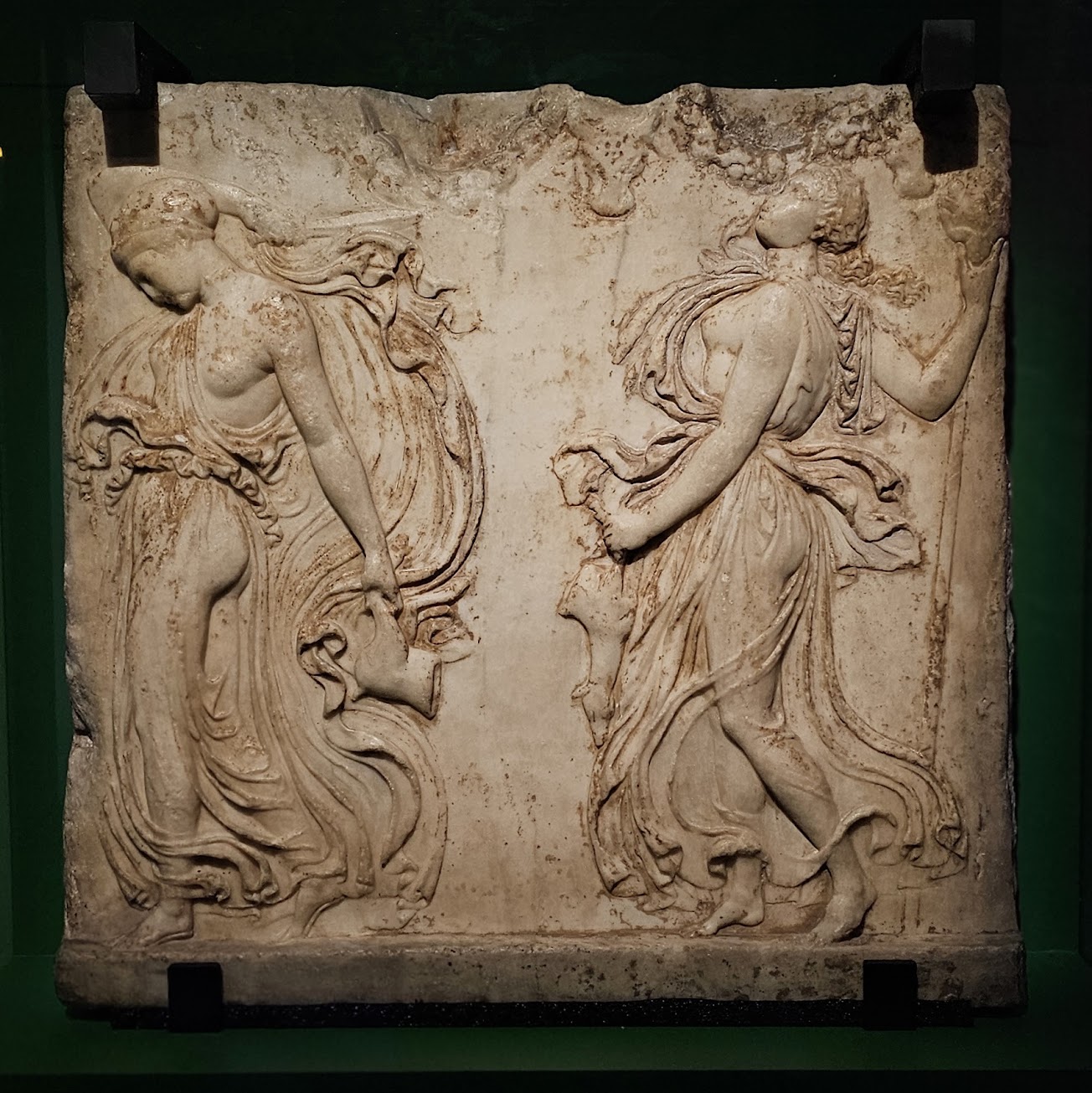
Translated from French (please notify us of errors) Children torn apart during orgies, mothers devouring their offspring, a god of wine slaking his thirst with blood. Over the centuries, these images have clung to Dionysus (Bacchus to the Romans), the most elusive of the gods. But behind the sensational tale, the historical traces are slim: […]
When Jupiter gave humans their daily acorn
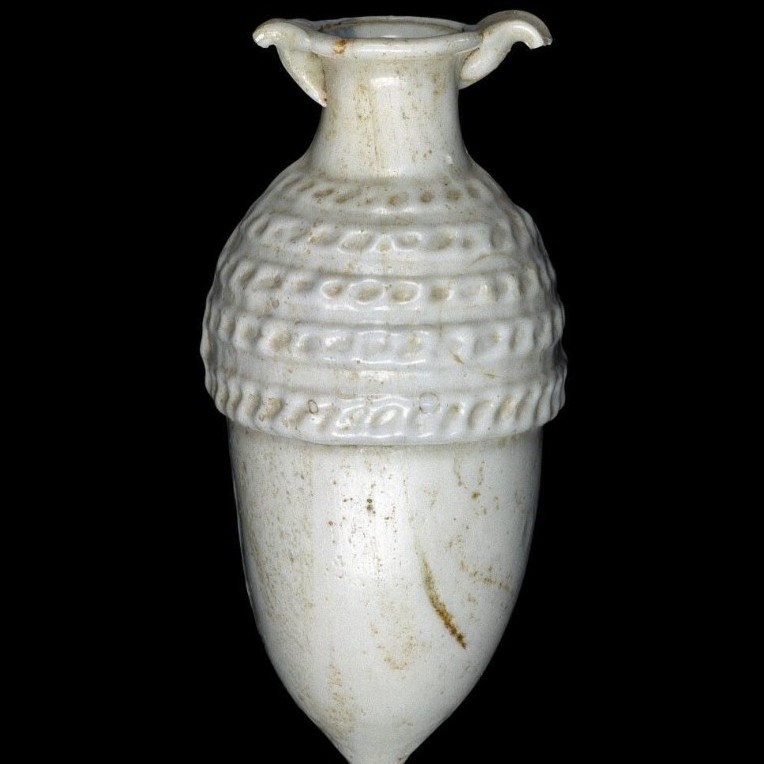
Translated from French (please notify us of errors) For a long time, the fruit of the oak, a tree associated with Zeus (Jupiter), served as food for humans. But for the Roman poets, the matter was settled: Ceres had given wheat to mankind and the acorn had been relegated to the pigs. Yet it did […]
To leaven or not to leaven: bread-making methods in ancient Rome
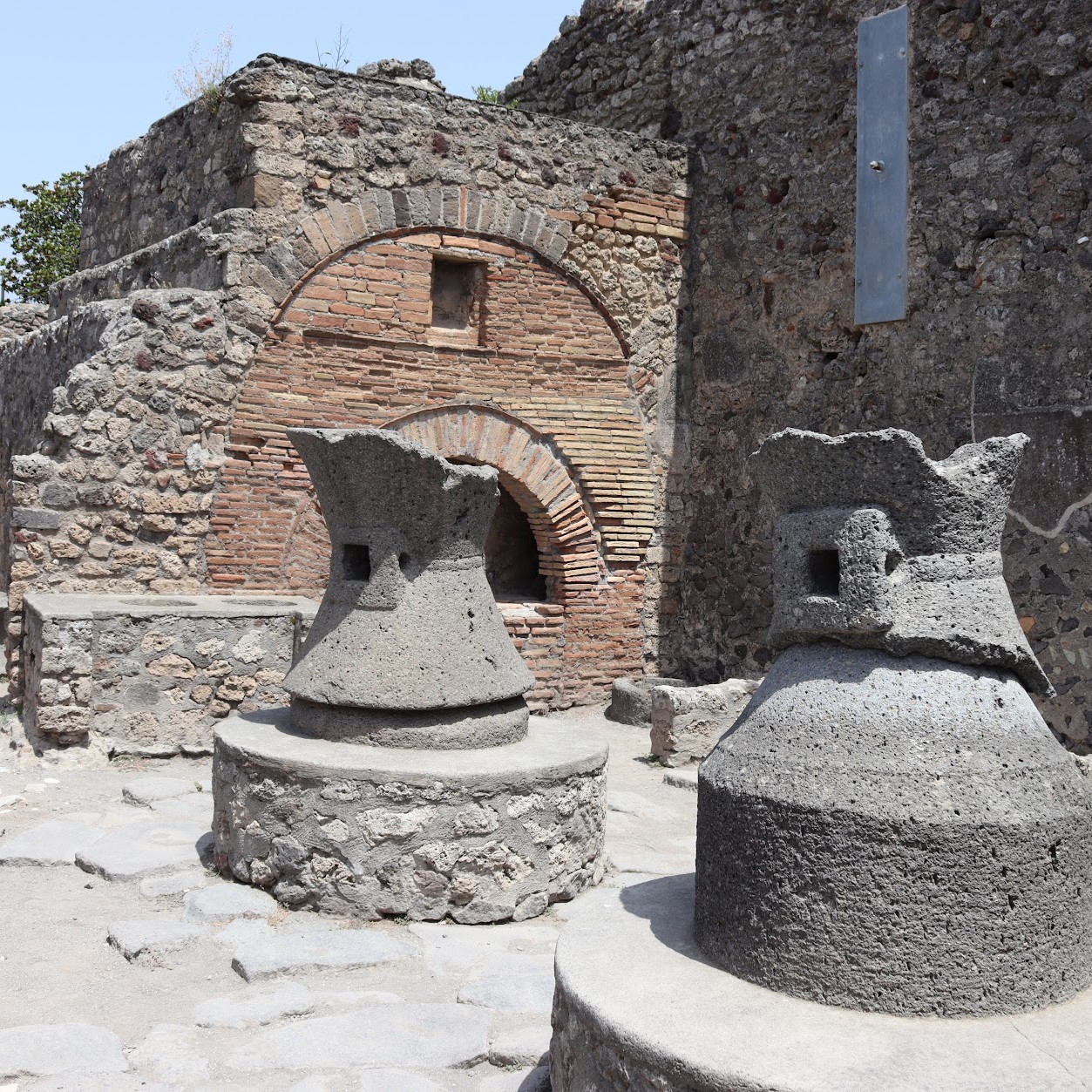
Translated from French (please notify us of errors) Bread is one of the most obvious markers of Roman identity. Yet how the Romans made it rise remains little known. The ancient sources – scarce but precise – allow us to reconstruct their methods. They show leavened and unleavened breads existing side by side, the latter […]
Saffron in antiquity: red gold with a thousand uses
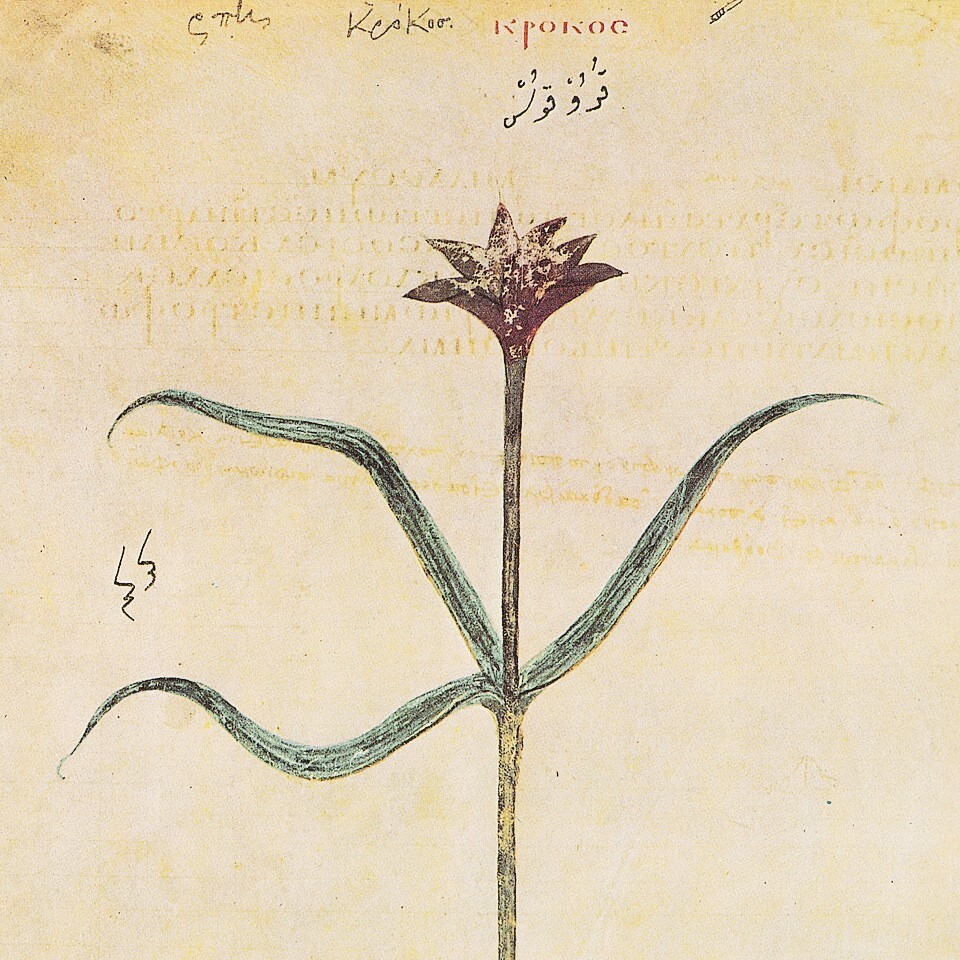
Translated from French (please notify us of errors) In Rome, saffron was expensive enough to attract counterfeiters. Spice, dye, perfume, medicine and status symbol, it turned up everywhere – even in theatres. The trick was making sure you had bought the real thing. Someone hands you a pinch of dark red filaments. You rub them […]
Olives to get rich: Thales’s wager
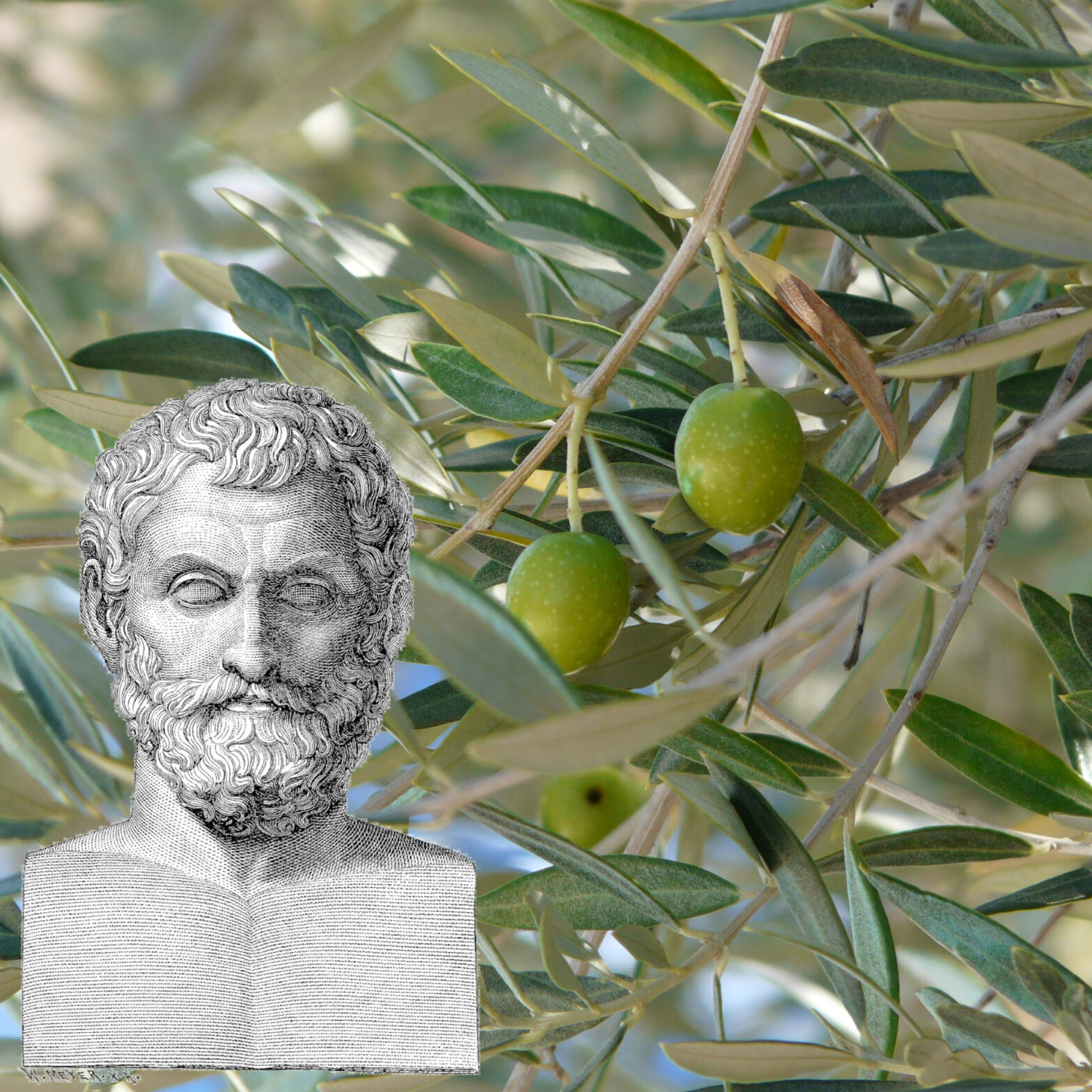
Translated from French (please notify us of errors) For everyone, Thales is the author of a theorem still taught 2600 years after him. Yet the Greek sage was regarded as a universal mind. According to ancient authors, he was nonetheless mocked for his poverty: what use was so much learning if it could not even […]
From melomeli to marmalade: a medley of quinces
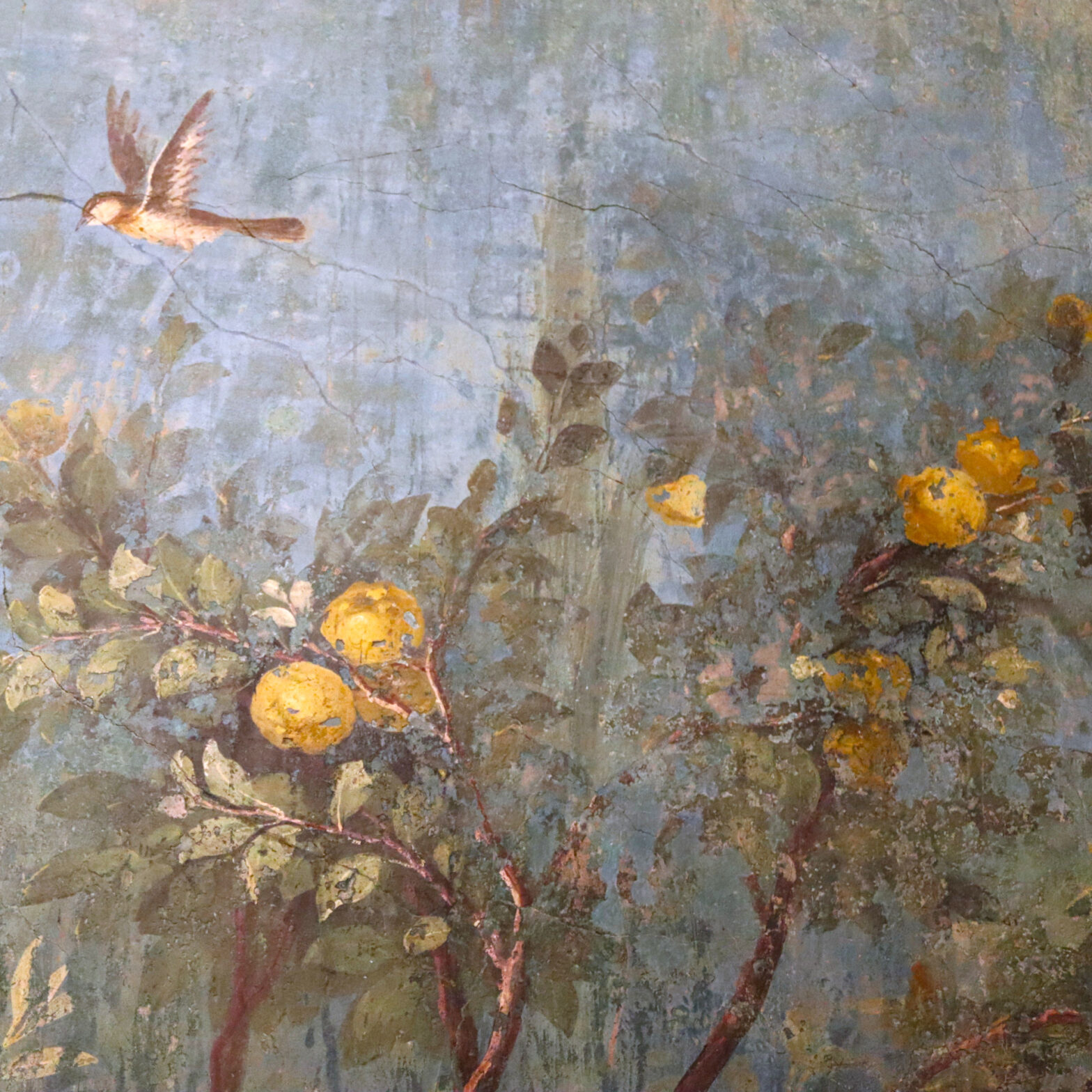
Translated from French (please notify us of errors) A preserve of quinces in honey, an apple so sweet it was called a “honey-apple”, a witty poet who confuses them on purpose: marmalade has, behind it, a history of almost two thousand years. Ancient texts feature two terms at the heart of the puzzle: melomeli and […]
The Recipe-less Cuisine of the Pharaohs

Translated from French (please notify us of errors) From the unification of the country around 3100 BCE to the death of Cleopatra in 30 BCE – over three thousand years of history – ancient Egyptian civilisation has not bequeathed to us a single cooking recipe. 𓂜𓈖 𓃹𓈖 – nn wn: ‘nothing’ in our language. No […]
Oxymel, a culinary oxymoron
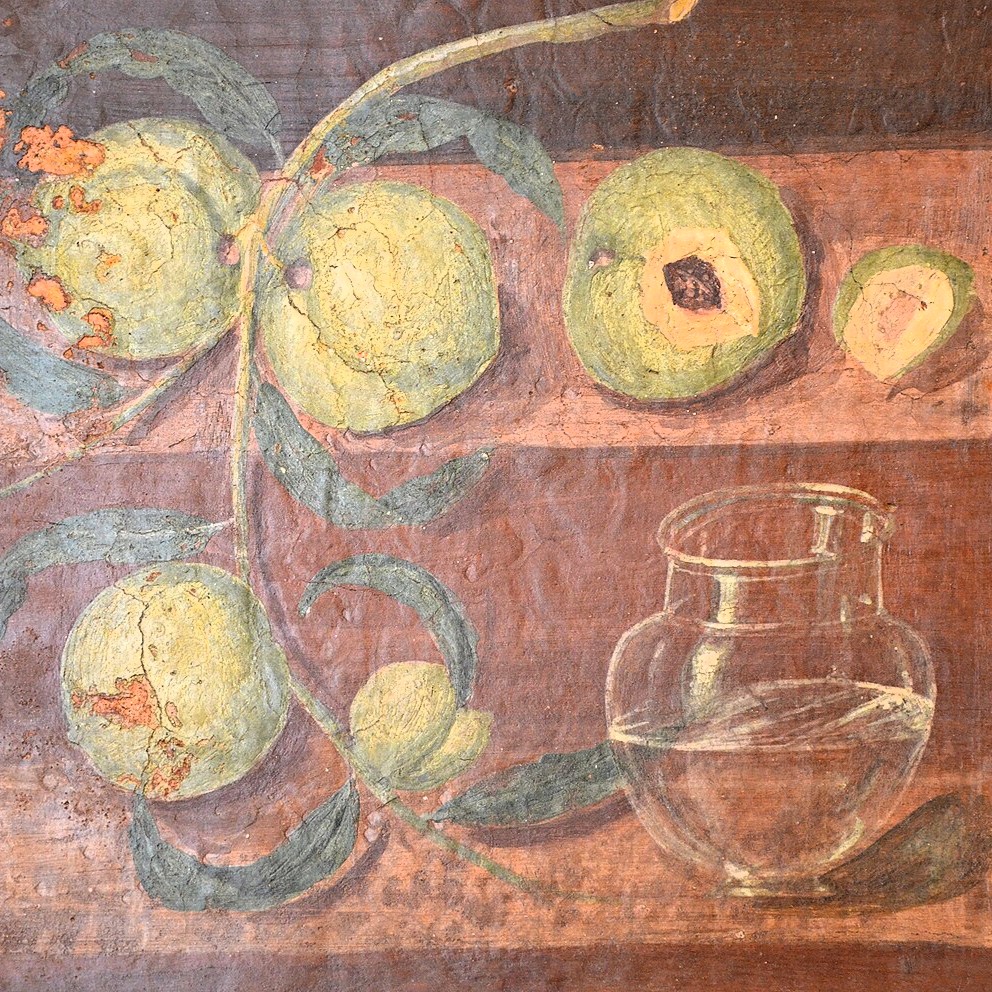
Translated from french (please notify us of errors) Vinegar and honey: the sharp-sweet mixture is enough to raise an eyebrow – it is almost a culinary oxymoron. The Greeks and Romans, however, saw no contradiction in it: they turned it, in turn, into a remedy for epilepsy, a sauce for pork, a brine for peaches […]
Ancient propolis: mysterious remedy and magical substance
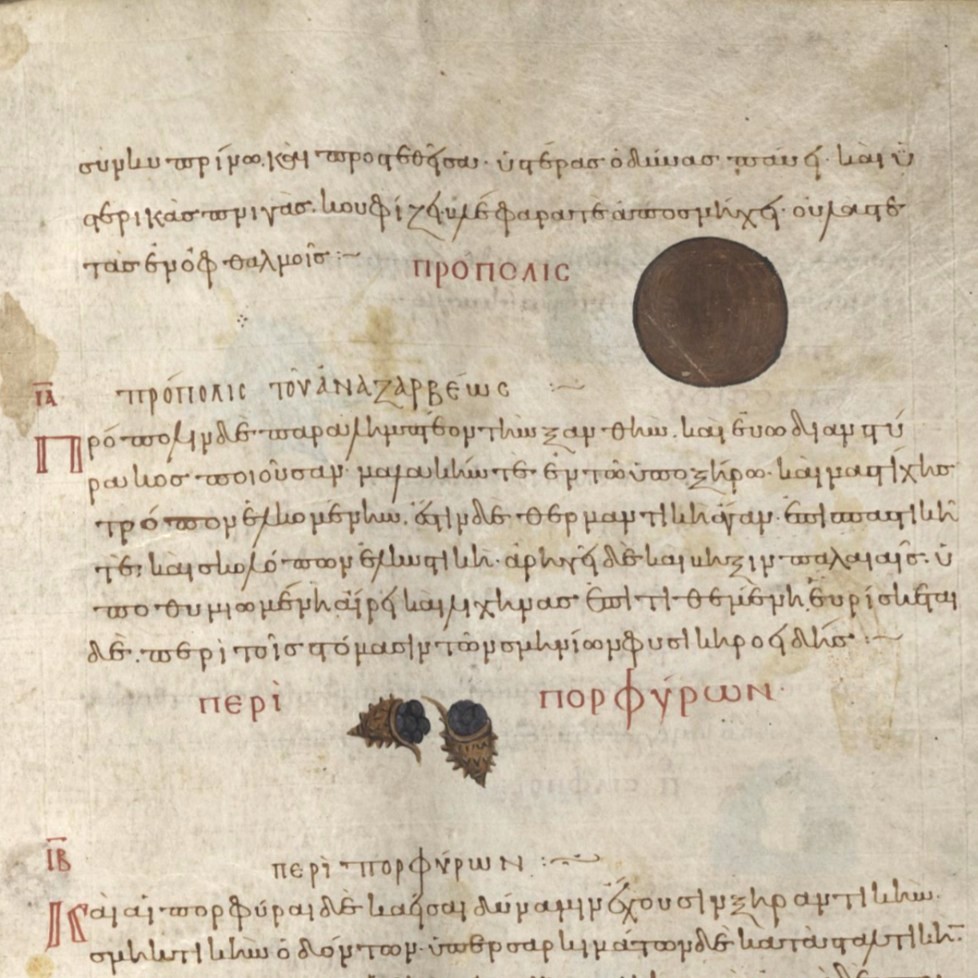
Translated from french (please notify us of errors) Drops, lozenges, creams, syrups: propolis has regained, on the shelves of the “wellness” industry, a popularity it already enjoyed more than two thousand years ago. Modern pharmacology has confirmed an antibacterial activity, without thereby validating all the virtues attributed to it today. The Greeks and Romans, for […]