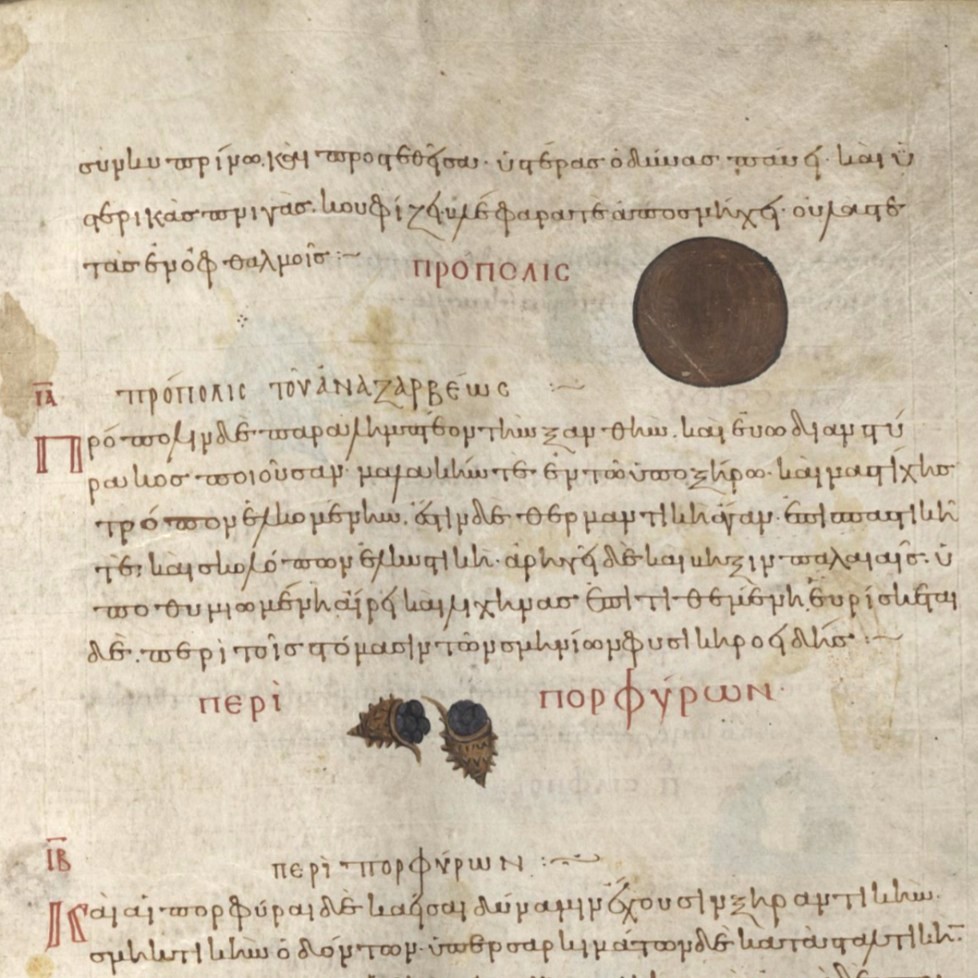
Translated from french (please notify us of errors) Drops, lozenges, creams, syrups: propolis has regained, on the shelves of the “wellness” industry, a popularity it already enjoyed more than two thousand years ago. Modern pharmacology has confirmed an antibacterial activity, without thereby validating all the virtues attributed to it today. The Greeks and Romans, for […]
Epityrum: the olive, mother of all good pastes
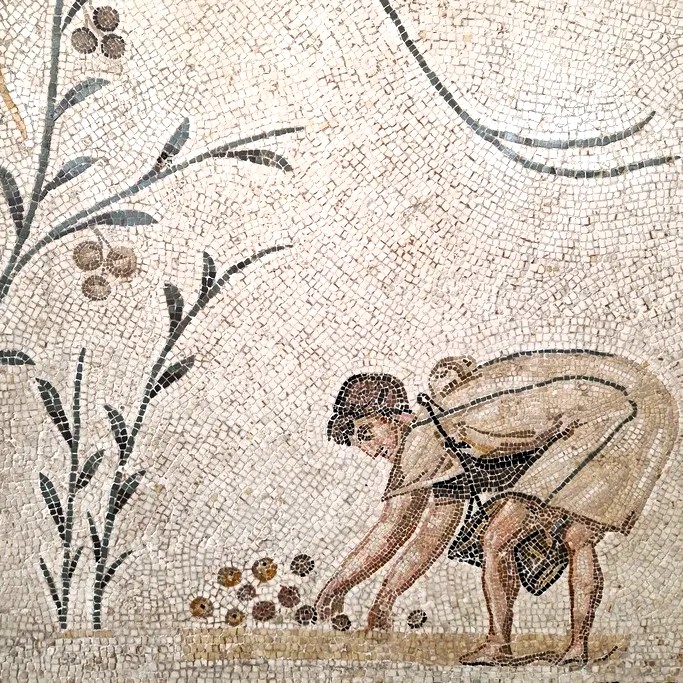
Translated from french (please notify us of errors) The news may disappoint the people of Marseille: tapenade, attributed to chef Meynier in 1880, actually has a distant ancestor from antiquity. At best, then, it is a recreation ‒ a variation on a theme thousands of years old. This ancestor is Greek, its name is stemphylon […]
In antiquity, lavender didn’t cleanse – it cured
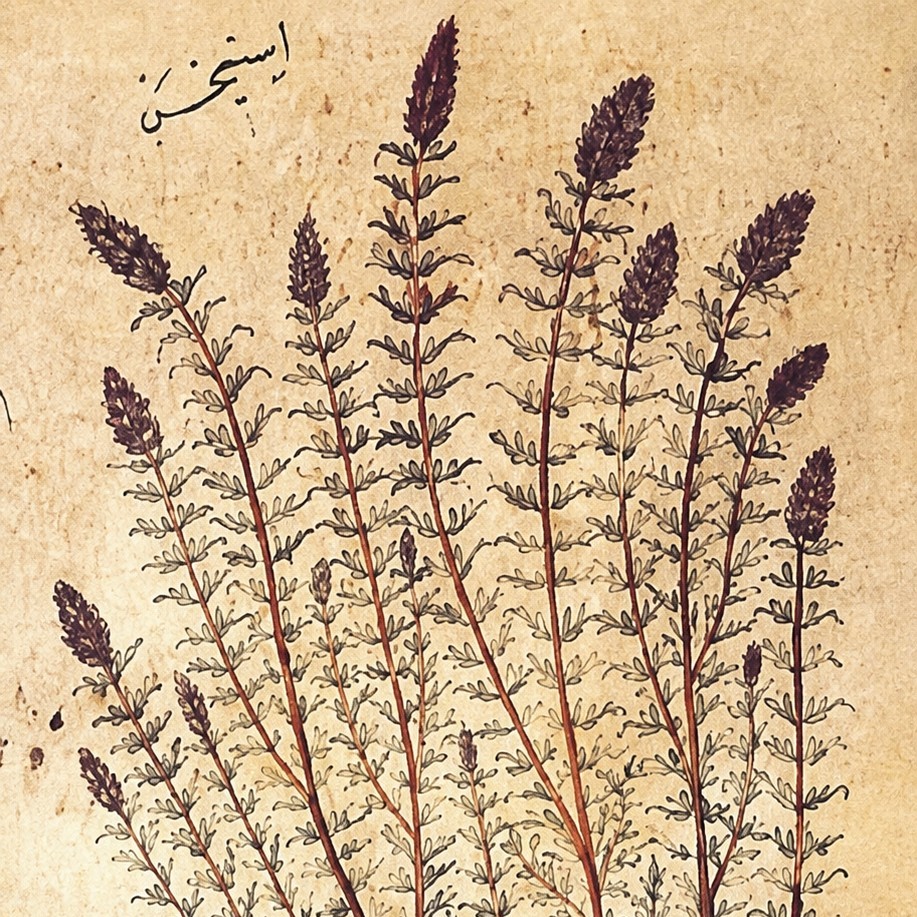
Translated from french (please notify us of errors) The etymology of the word ‘lavender’, from the Latin lavare, does not go back to antiquity, contrary to popular belief. There were no Roman baths scented with this fragrant plant: lavender was used exclusively in pharmacy. Nor did it feature in dishes. When the ancients flavoured wine […]
Popina, caupona, taberna: eating out in ancient Rome

Translated from french (please notify us of errors) Roman towns teemed with establishments selling food and drink. In the excavated portion of Pompeii alone, archaeologists have identified some 160 of them. This is explained by the fact that only a very small fraction of the population could afford the luxury of a home with a […]
The onion in Antiquity: not such a humble bulb
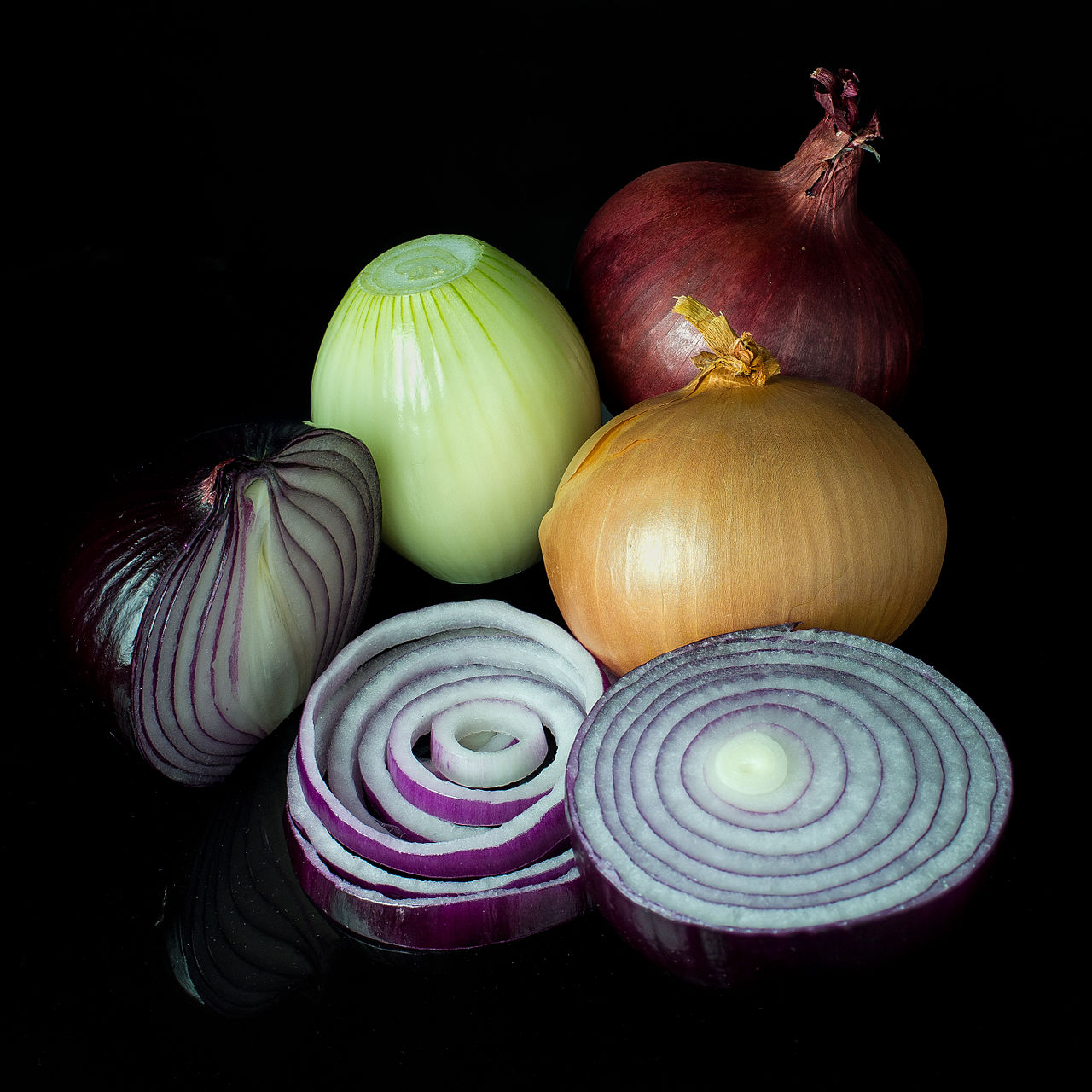
Translated from french (please notify us of errors) A food prized by the masses yet scorned by the elite, a universal remedy yet a contested one, an aphrodisiac that nonetheless gives repellent breath, an object of mockery or a venerated deity: the onion accumulates paradoxes in ancient culture. Beneath its concentric tunics lies a food […]
A “computer” at your fingertips

Translated from french (please notify us of errors) Although we sometimes count on our fingers, it never gets us very far. At ten, we have exhausted our natural resources. Getting round the problem, the Greeks – and after them the Romans – used a system allowing them to count up to 99 on one hand, […]
In Homer, one lotus can hide others
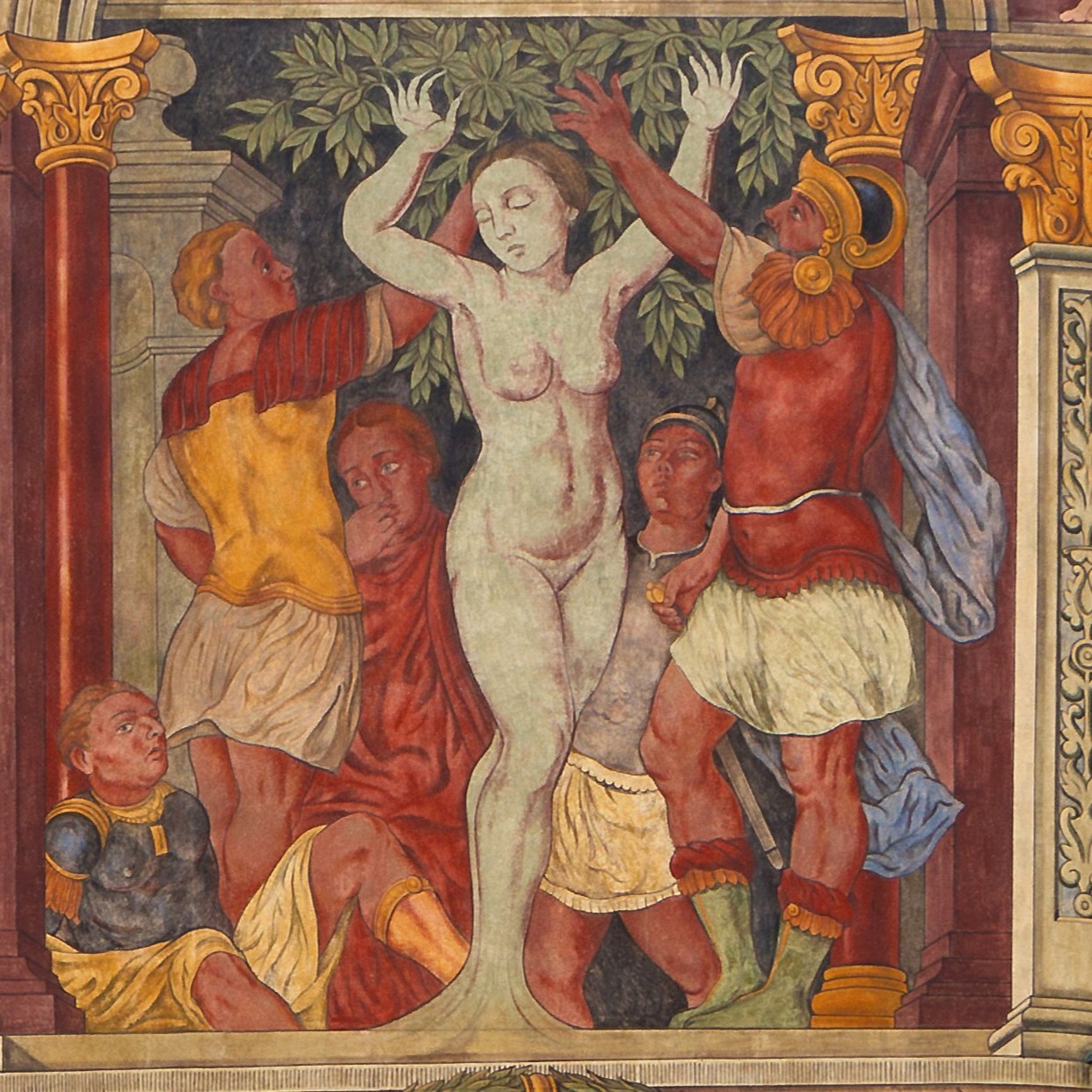
Translated from french (please notify us of errors) One readily imagines the Lotus-eaters offering Odysseus a flower of the Egyptian lotus, its pale blue petals contrasting with yellow stamens. A mistake: what the Homeric hero’s companions eat, to the point of forgetting even their desire to return home, is certainly not the flower of an […]
The Odyssey: Odysseus at table with monsters
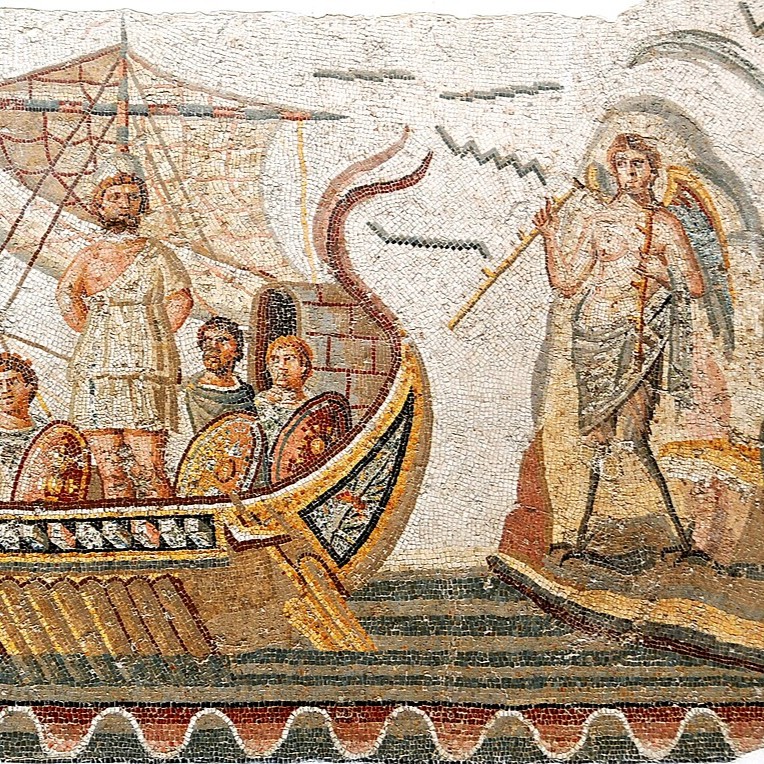
Translated from french (please notify us of errors) In the Odyssey, eating is never innocent. Every bite says who one is: man, beast, or god. Homer composed an epic of the failed feast – ten years of wandering in which one devours and is devoured, in which one forgets one’s homeland in a cup, in […]
when wheat sheds its hull, Roman dough rises
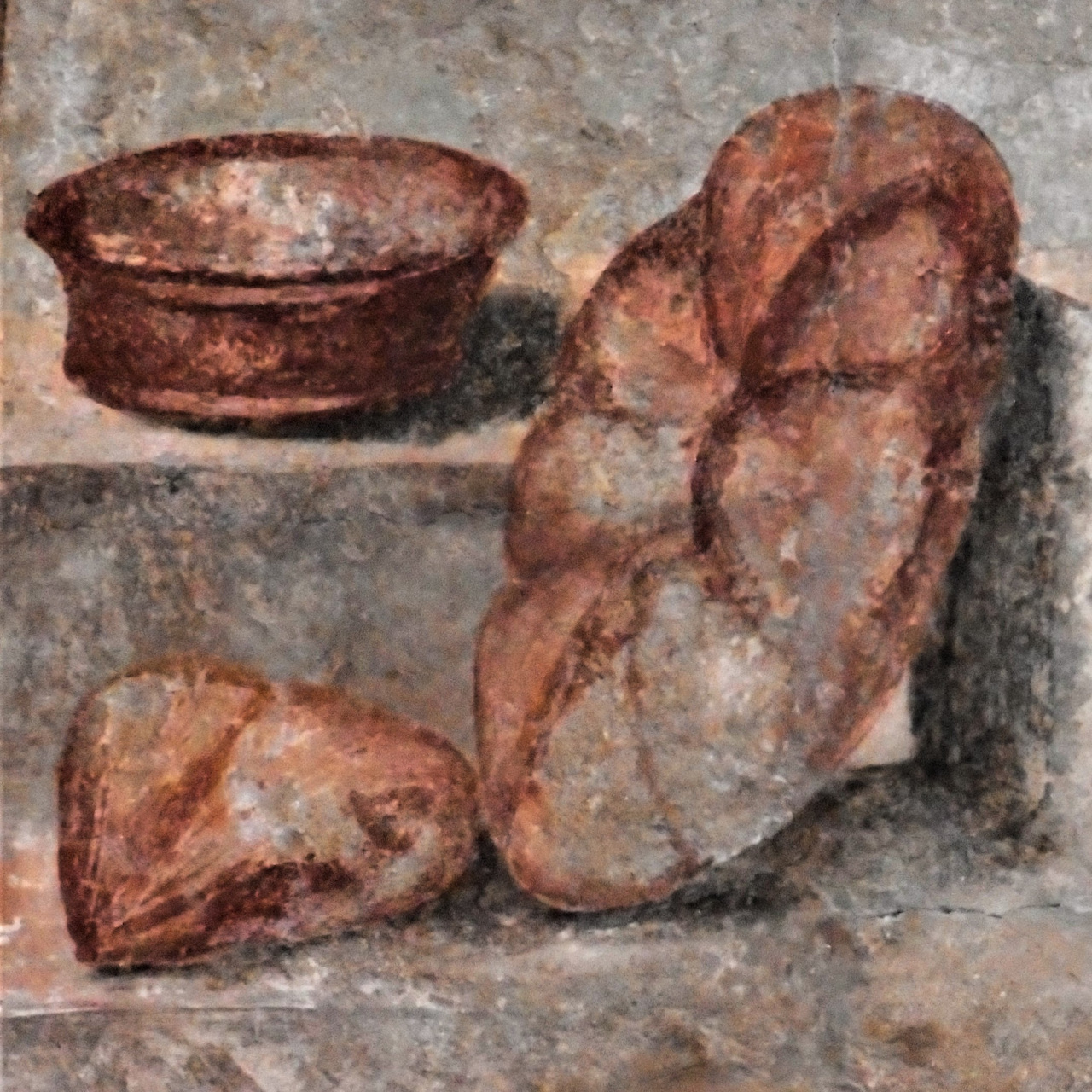
Translated from french (please notify us of errors) There was a time when the Romans made do with thick porridges of far, that rustic wheat wrapped in its husks, as Pliny the Elder attests: “For a long time the Romans clearly lived on porridge, not bread.”[1] But as early as the 5th century BCE, a […]
The hulled wheats, rustic ancestors of the Roman cereal system
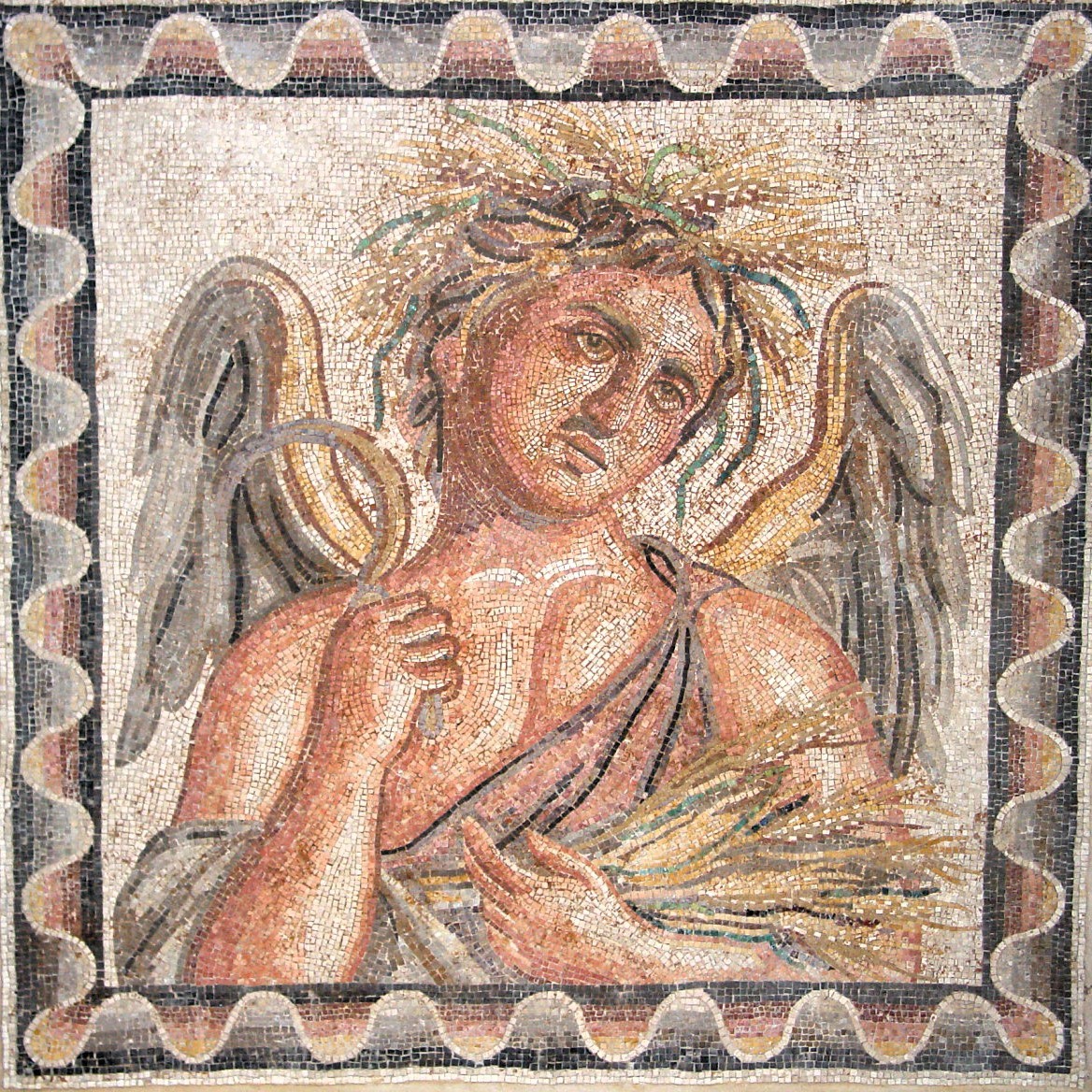
Translated from french (please notify us of errors) At the origins of Rome, there was einkorn, emmer and spelt, three so-called “hulled” cereals. This is a somewhat technical point, but here it is: after threshing, their grains remain enclosed within their husks (glumes), which requires an additional dehusking step. This drawback is offset by several […]