
Translated from French (please notify us of errors) A hecatomb of sea snails, a transparent mucus, and a smell to drive away everyone around you. Tyrian purple was for two millennia the most coveted substance among the powerful… and the most imitated in the ancient world. Two years ago, in the bay of Kiladha, to […]
Puls, porridge of the ancients, the wealthy and the gods
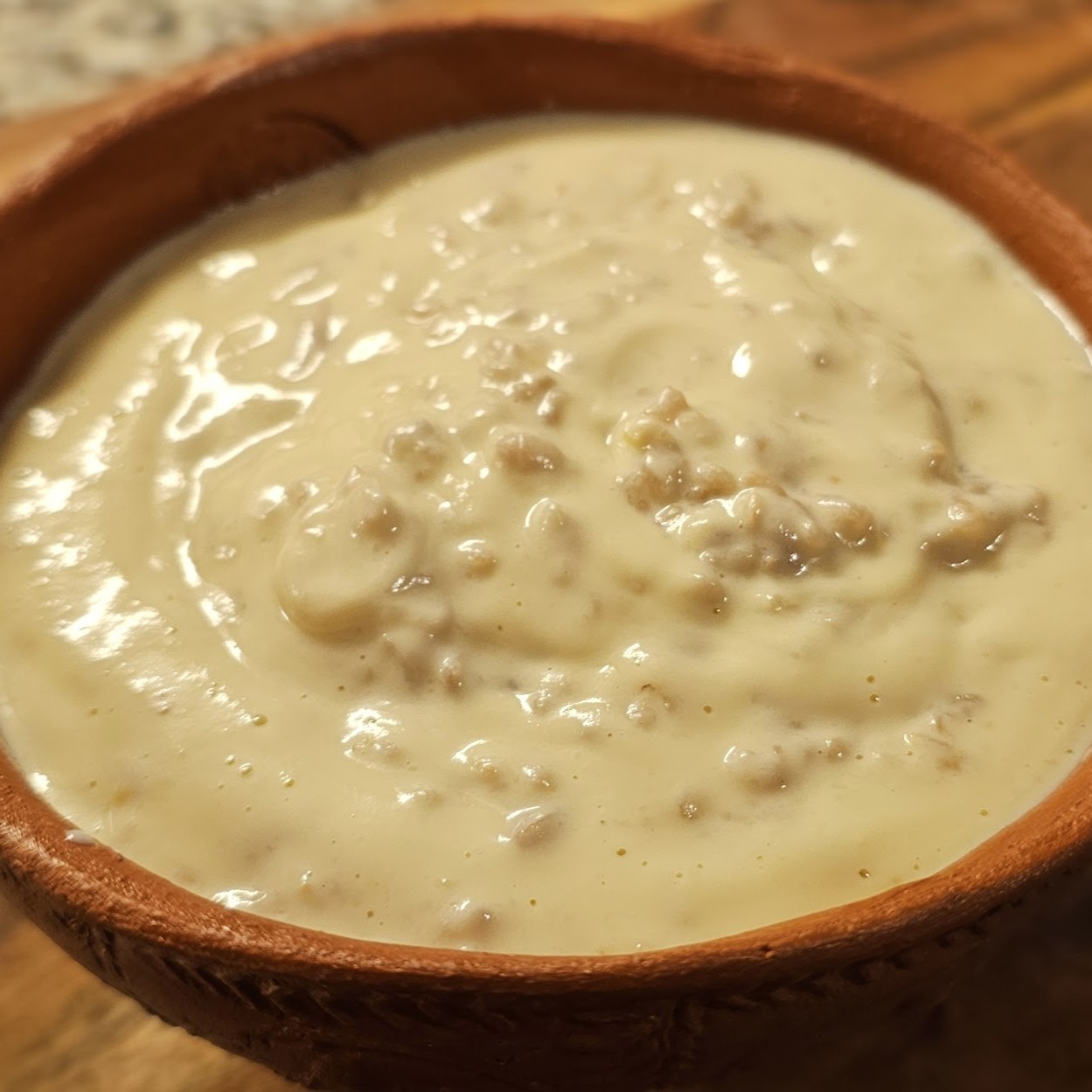
Translated from french (please notify us of errors) Varro and Pliny agree: before bread, there was puls. This cereal porridge, associated with the far of the ancient Latium, went on to enjoy a double career: a gastronomic preparation in Apicius, a ritual offering at the Kalends of June. When Cicero mocks the sacred chickens hurling […]
Did the Romans eat the animals slaughtered in the arena?
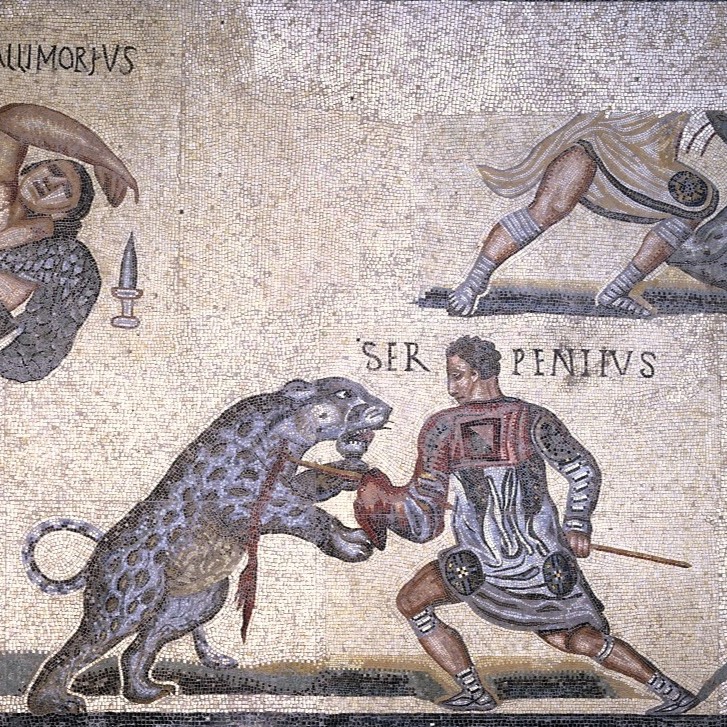
Translated from french (please notify us of errors) Although we know Roman animal spectacles in great detail, one question remains strangely overlooked: what became of all that meat? Over the roughly 500 years during which animal spectacles were offered to the Roman people, hundreds of thousands of local and exotic animals were put to death. […]
Sybaris, birthplace of the culinary patent
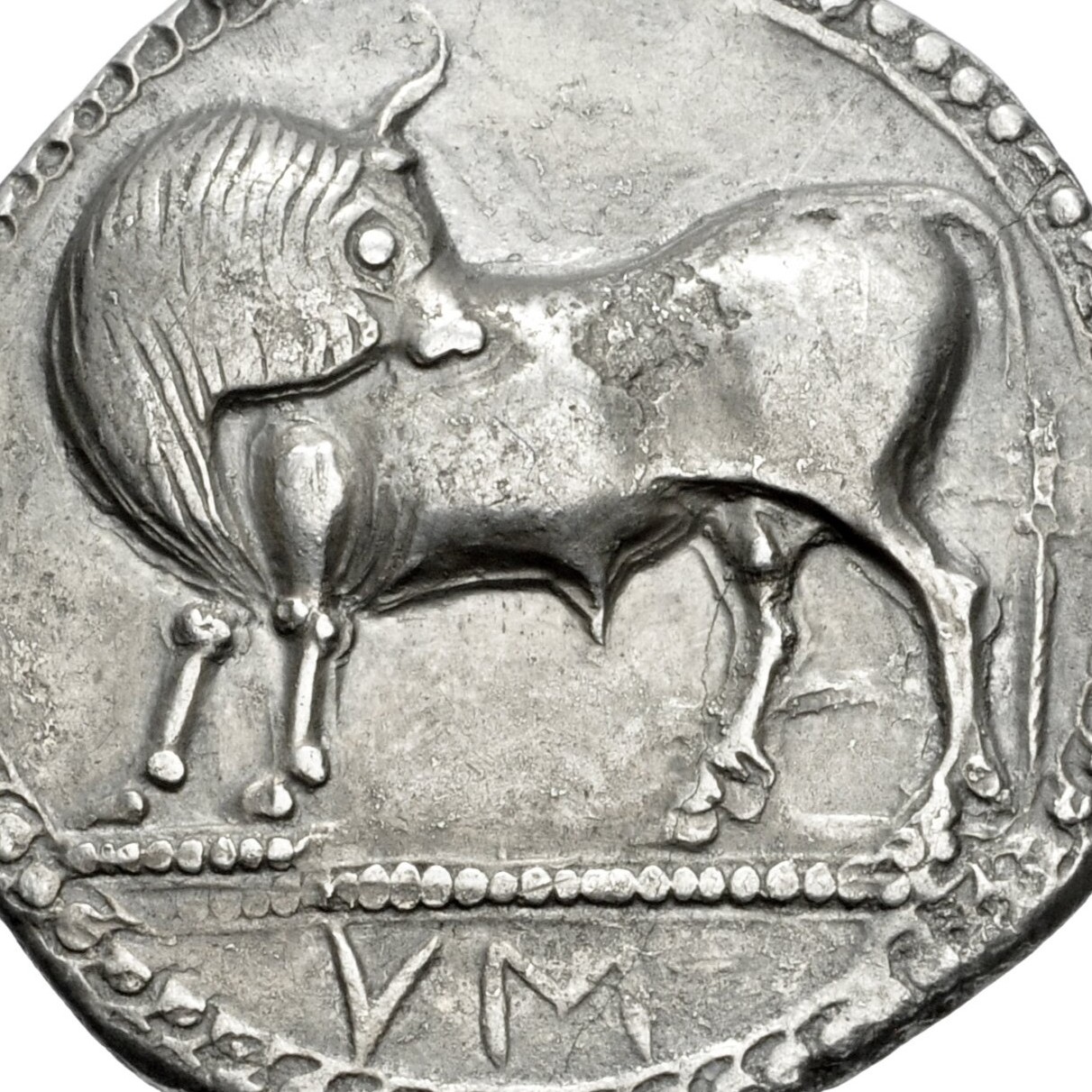
Translated from French (please notify us of errors) In Sybaris, a Greek city of Magna Graecia destroyed in 510 BC, a law granted the cook who had invented an original dish the exclusive right to prepare it for one year. This temporary monopoly was no mere whim of the Sybarites: it was an innovation policy […]
Rome and the bees: a honeymoon
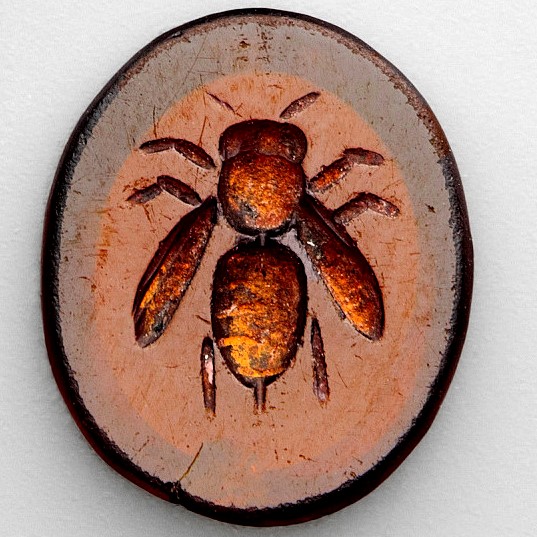
Translated from French (please notify us of errors) Long before it sweetened desserts, honey softened wines, enhanced meats, healed wounds and fed myths. For the Romans, bees were not merely producers of sweetness: they formed an exemplary society, a precious economic resource and, at times, a formidable weapon. The Romans never ran out of sweet […]
The pig, the ox and the champion – Eating to win
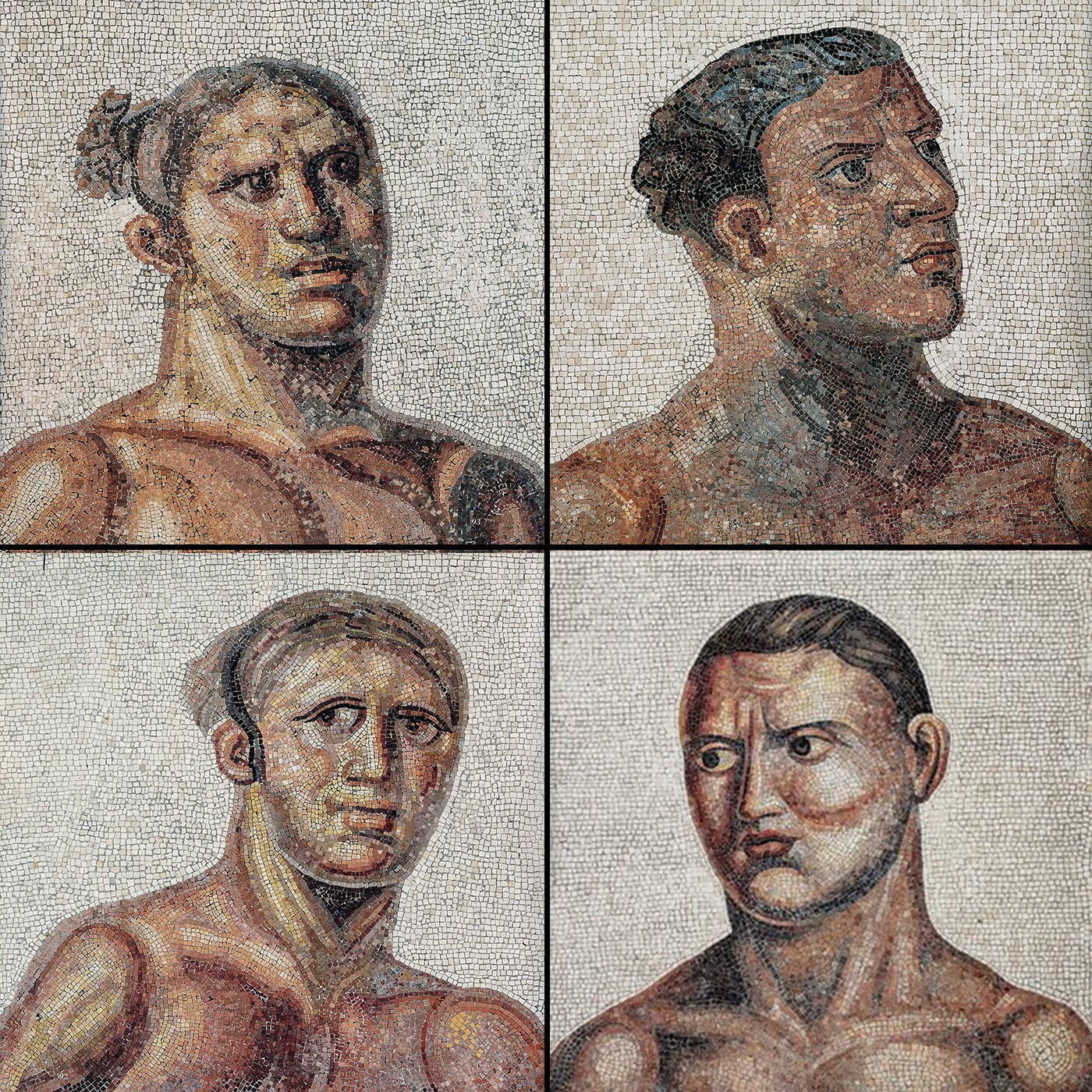
Translated from French (please notify us of errors) Pork for long bouts, wine controlled by the trainer, imposed meals and shortened nights: the diet of competitive athletes in the Greco-Roman world had nothing to do with a simple health regimen. It was a performance technique, adapted to each event, supervised by trainers, discussed by physicians… […]
Rome in all its shades, from weld to kermes
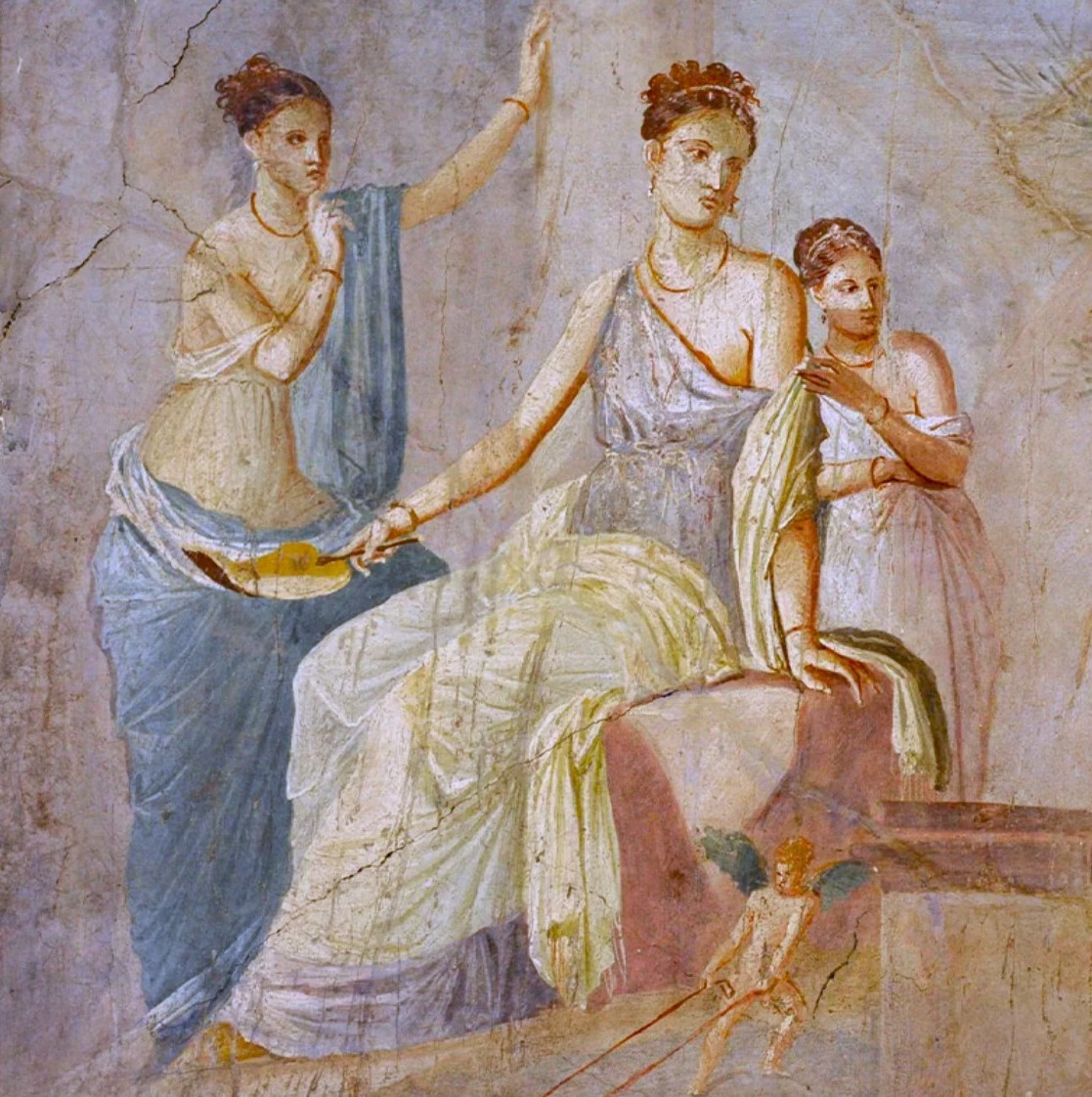
Translated from french (please notify us of errors) Roman women and men wore bright colours and always found some moralist ready to reproach them for it. Martial sketches the austere man who “likes cloaks in gloomy shades”, who judges cherry red and hyacinth violet vulgar, and who “thinks natural everything that grows pale” – yet […]
From wool to silk: the fabric of an Empire
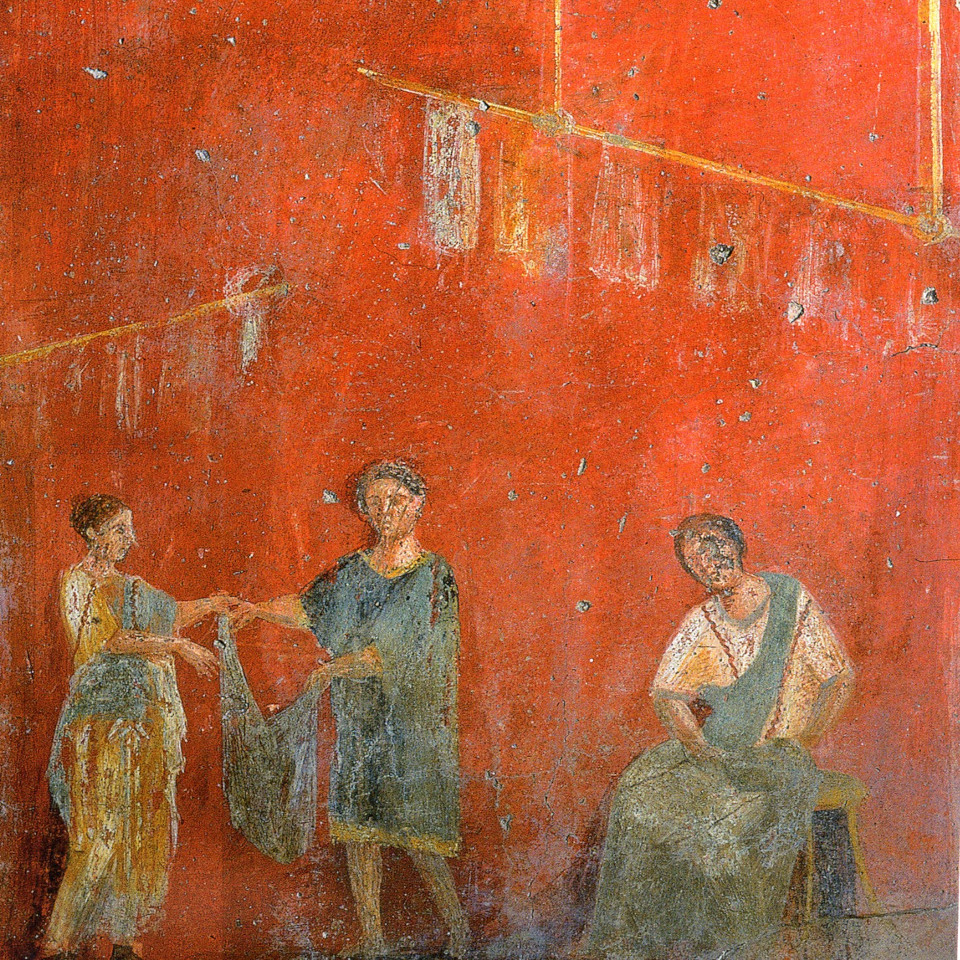
Translated from french (please notify us of errors) For centuries, the question of what a Roman garment was made of hardly needed asking: it was wool, produced locally, woven at home, worn without ceremony. Only with the gradual expansion of Mediterranean trade, and then of conquests in the East, did other materials make their mark […]
The polis: when the city was also a board game
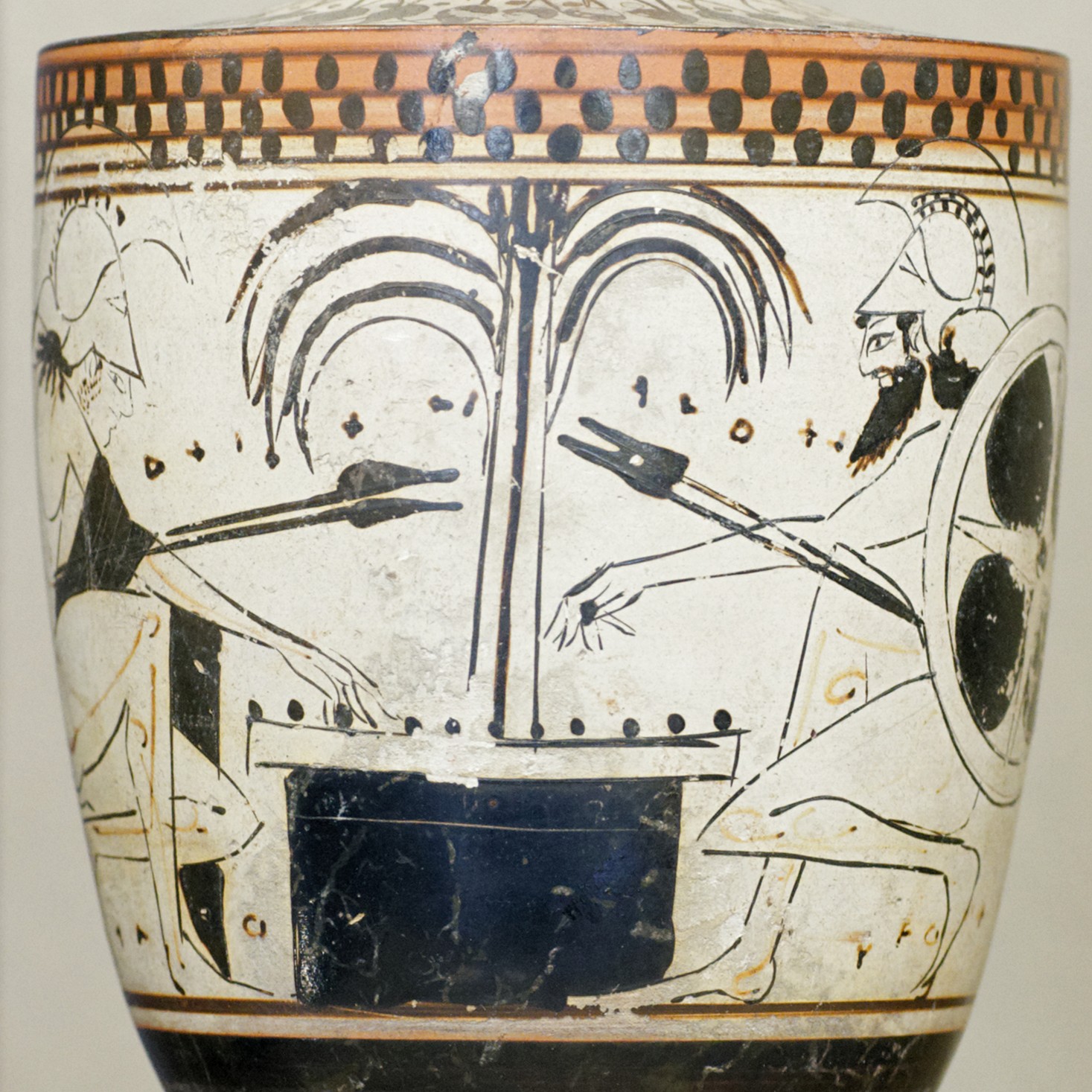
Translated from french (please notify us of errors) Athens, around 430 BCE. On the theatre stage, masked actors perform The Runaways, a comedy by the comic poet Cratinus of which only a few fragments have survived[1]. A character declaims: “Son of Pandion, king of the city with fertile soil, you know well which city is […]
Sapa, defrutum, caroenum… three names for an ancient syrup
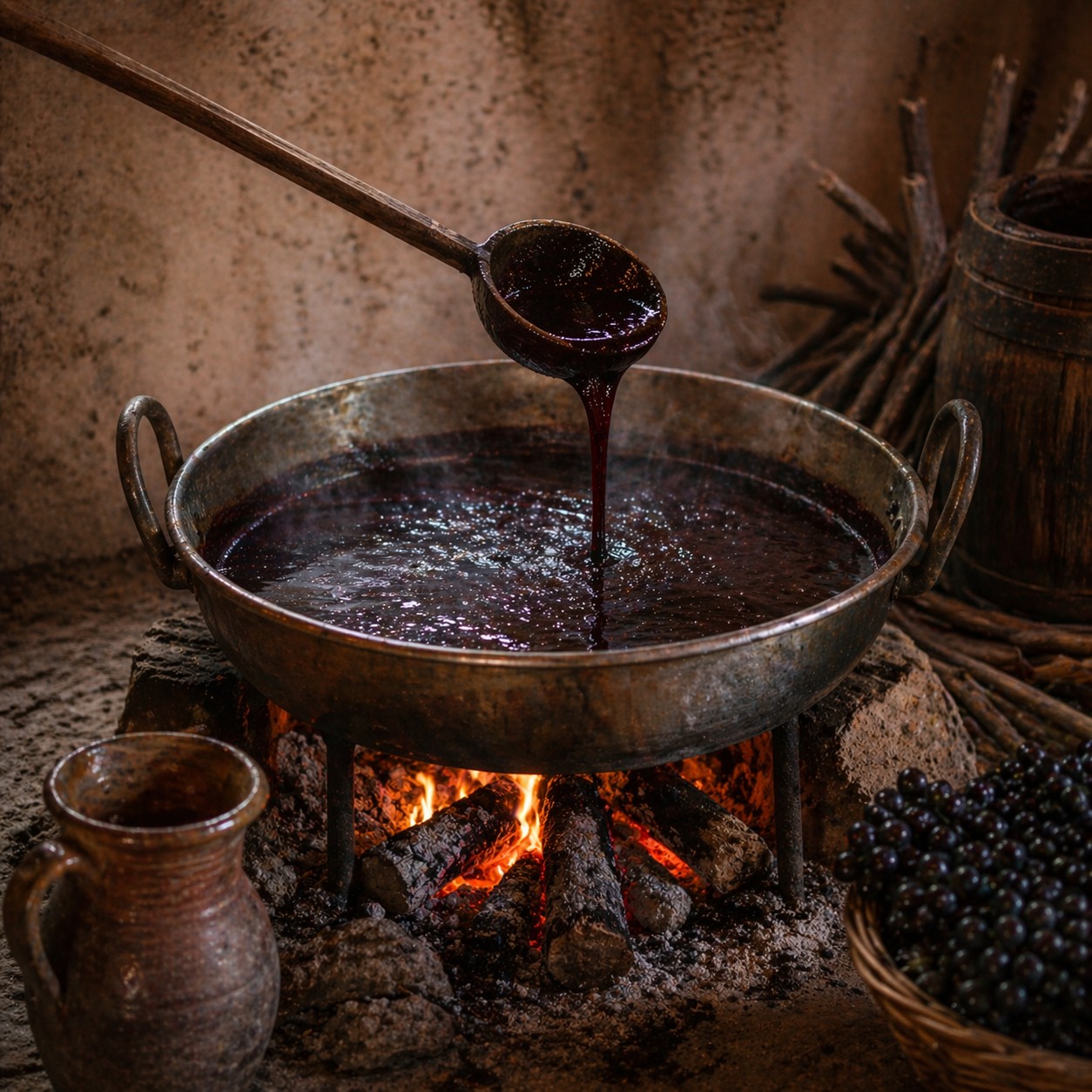
Translated from french (please notify us of errors) Honey was expensive. Bees demanded time, care, and did not produce on demand. The vine, by contrast, was everywhere — and grapes, once pressed, yielded a must that could be cooked down until thick, dark, and sweet: a substitute for honey, less noble, but available in quantity […]