Cet événement se répètefévrier 21, 2025
202421févToute la journéeFeraliaType:Fête romaine
Description
Ante diem nonum Kalendas Martias
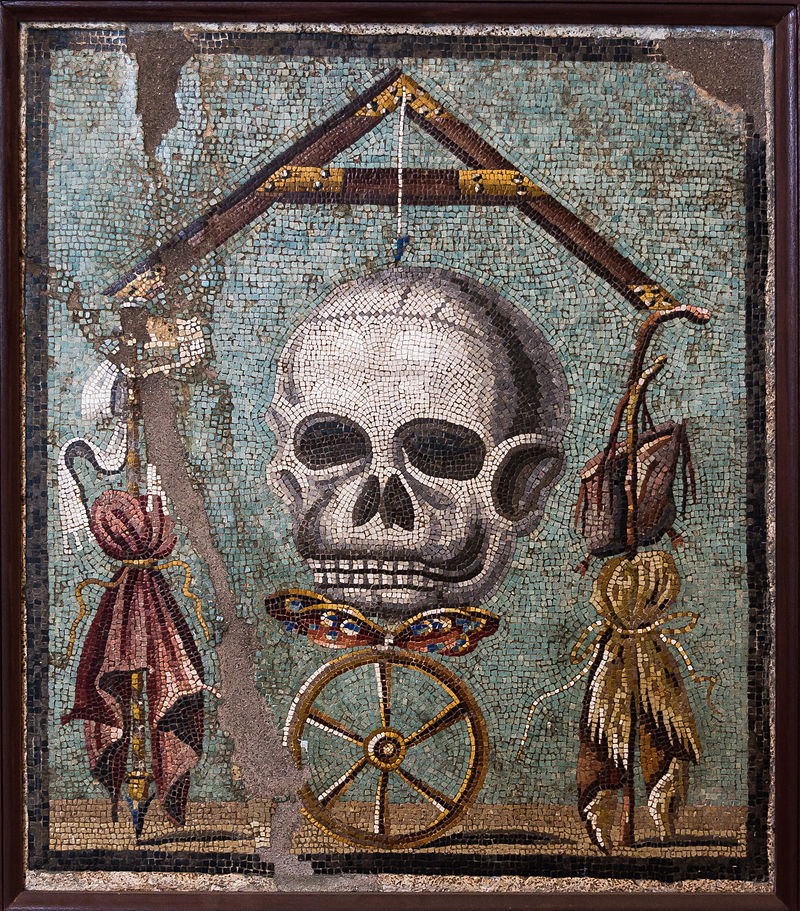
EN BREF. Le 21 février, les Romains célébraient les Feralia, dernier jour des Parentalia et seul moment public du cycle de commémoration des morts. Si la fête donnait lieu à des offrandes sur les tombes, c’est surtout le rite d’une vieille femme à demi ivre, sacrifiant à Tacita la Silencieuse pour neutraliser les langues malveillantes, qu’Ovide a retenu pour nous.
Feralia, une sorcière ivre pour apaiser les morts
Le 21 février, Rome s’arrêtait. Les temples fermaient leurs portes, les autels s’éteignaient, aucun mariage ne pouvait être célébré. Ce jour portait le nom de Feralia. Dernière journée des Parentalia, il constituait le moment où les Mânes recevaient des hommages publics offerts par la cité entière, avant que les Caristia du lendemain ne réunissent les familles autour des vivants.
L’étymologie du mot était déjà débattue dans l’Antiquité. Varron, dans son De Lingua Latina, en a proposé une double explication: les Feralia tiendraient leur nom des inferi, les morts d’en bas, et du verbe ferre, porter, «parce qu’on porte ce jour-là des vivres au tombeau de ceux envers qui on a le devoir d’accomplir le rite des ancêtres»[1]. Ovide, dans les Fastes, retient la même racine verbale et fait du 21 février «le tout dernier jour où l’on peut apaiser les Mânes»[2]. Dans les calendriers les plus récents, sans doute sous l’influence de conceptions philosophiques sur la divinisation des Mânes, la fête a également été désignée sous le nom de Genialia, et les jeux qui lui étaient associés appelés ludi genialici.
Une vieille femme, du vin et des fèves noires
Si le caractère public des Feralia les distingue des jours précédents des Parentalia, Ovide a retenu surtout, au titre de cette journée, la description d’un rite d’un registre tout différent de la religion officielle. Une vieille femme, assise parmi de jeunes filles, accomplit un sacrifice à Tacita –«la Silencieuse»–, non sans peine à se taire elle-même, précise le poète avec ironie. La cérémonie est celle d’une magie apotropaïque destinée à neutraliser les langues malveillantes :
«…avec trois doigts, elle pose sur le seuil trois grains d’encens, à un endroit où une petite souris s’est frayé un chemin secret. Ensuite elle attache à l’aide de plomb sombre des cordons enchantés et tourne sept fèves noires dans sa bouche»[3]
Ensuite, elle fait griller dans le feu la tête d’une mendole –un petit poisson méditerranéen–cousue avec de la poix et transpercée d’une aiguille de bronze. Le vin qui reste, elle le boit avec ses compagnes, mais surtout elle. En partant, elle déclare : «Nous avons lié les langues hostiles et les bouches ennemies»[4]. Et la vieille s’en va, éméchée.
Les éléments qui composent ce rite –fils et plomb, chiffres impairs, fève noire, aiguille de bronze– sont caractéristiques de la magie traditionnelle romaine, sans lien avec la religion officielle. Ce rituel privé n’avait vraisemblablement pas la sanction des autorités religieuses établies, qui se méfiaient de ces cérémonies. La posture de la vieille femme est elle-même significative: à Rome, les sacrifices se faisaient debout ; assise, elle semble chercher un contact avec les puissances chthoniennes. Selon le commentaire de la Bibliotheca Classica Selecta, la vieille «aurait loué ses services à des jeunes filles qui ont eu à souffrir de propos médisants ou calomnieux»[5].
Tacita, Muta, Lara: une déesse aux trois noms
Ovide enchaîne avec une digression sur l’identité de Tacita, qu’il assimile à Muta, puis à Lara, la nymphe trop bavarde dont Jupiter a fait couper la langue avant de l’envoyer chez les Mânes –et qui, en chemin, a été engrossée par Mercure et a donné naissance aux Lares[6]. Ce récit n’a pas d’équivalent dans d’autres sources antiques. La religion romaine ne connaît pas de déesse Lara: Ovide semble avoir construit cette anecdote pour expliquer l’expression Mater Larum, la Mère des Lares, dont le sens originel n’était plus clairement perçu à son époque.
[1] Varron, De Lingua Latina, VI, III: «Feralia ab inferis et ferendo, quod ferunt tum epulas ad sepulcrum quibus ius ibi parentare.»
[2] Ovide, Fastes, II, 569–570: «hanc, quia iusta ferunt, dixere Feralia lucem; / ultima placandis manibus illa dies.»
[3] Ovide, Fastes, II, 573–576: «tribus digitis terni sub limine ponuntur acerri / tura, ubi mus latebras fecerat arte suas. / devovet absentes simulacraque cerea fingit / et miserum tenues in iecur urget acus.»
[4] Ovide, Fastes, II, 581–582: «’Hostiles linguas inimicaque vinximus ora’ / dicit et exit anus.»
[5] Bibliotheca Classica Selecta, UCL (FLTR), note au vers Fastes, II, 572, d’après H. Le Bonniec et K. Latte.
[6] Ovide, Fastes, II, 583–616.
👉🗓️ Toutes les fêtes du calendrier romain
Versione italiana
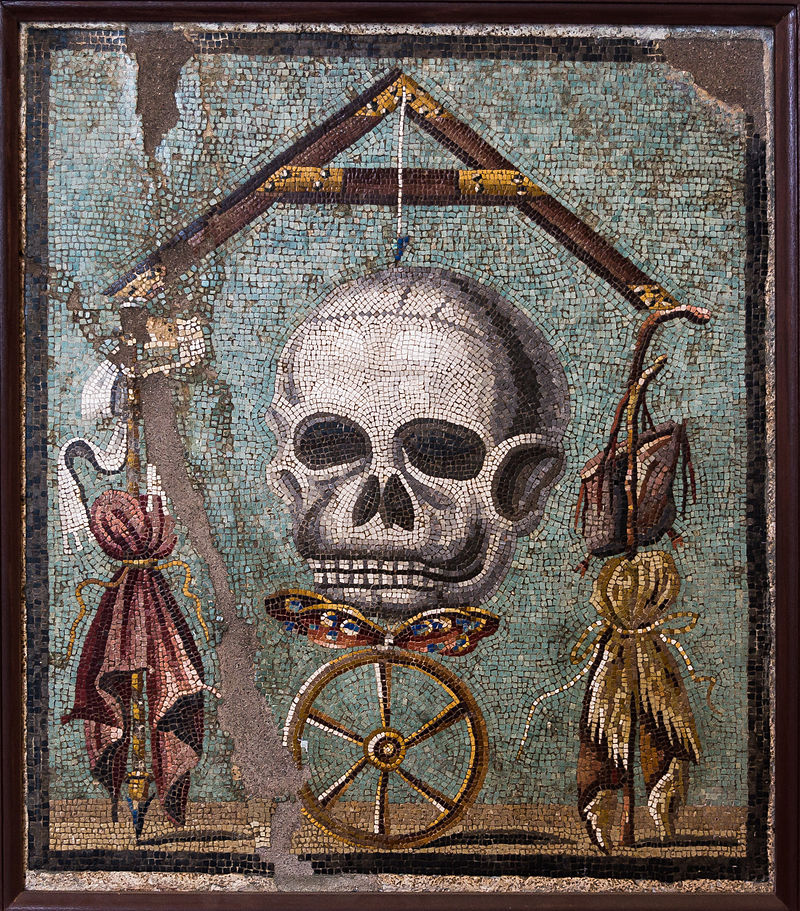 IN BREVE. Il 21 febbraio i Romani celebravano i Feralia, ultimo giorno dei Parentalia e unico momento pubblico del ciclo di commemorazione dei morti. Se la festa dava luogo a offerte sulle tombe, è soprattutto il rito di una vecchia donna mezzo ubriaca, che sacrificava a Tacita la Silenziosa per neutralizzare le lingue maligne, che Ovidio ha tramandato fino a noi.
Feralia, una strega ubriaca per placare i morti
Il 21 febbraio Roma si fermava. I templi chiudevano le loro porte, gli altari si spegnevano, nessun matrimonio poteva essere celebrato. Quel giorno portava il nome di Feralia. Ultimo giorno dei Parentalia, costituiva il momento in cui i Mani ricevevano omaggi pubblici offerti dall’intera città, prima che i Caristia del giorno seguente riunissero le famiglie attorno ai vivi.
L’etimologia della parola era già dibattuta nell’Antichità. Varrone, nel suo De Lingua Latina, ne ha proposto una doppia spiegazione: i Feralia deriverebbero il loro nome dagli inferi, i morti del basso, e dal verbo ferre, portare, «perché quel giorno si portano vivande alla tomba di coloro verso i quali si ha il dovere di compiere il rito degli antenati»[1]. Ovidio, nei Fasti, conserva la stessa radice verbale e fa del 21 febbraio «l’ultimo giorno in cui si possono placare i Mani»[2]. Nei calendari più recenti, probabilmente sotto l’influenza di concezioni filosofiche sulla divinizzazione dei Mani, la festa è stata anche designata con il nome di Genialia, e i giochi a essa associati chiamati ludi genialici.
Una vecchia donna, del vino e delle fave nere
Se il carattere pubblico dei Feralia li distingue dai giorni precedenti dei Parentalia, Ovidio ha ritenuto soprattutto, a titolo di questa giornata, la descrizione di un rito di tutt’altro registro rispetto alla religione ufficiale. Una vecchia donna, seduta tra giovani ragazze, compie un sacrificio a Tacita –«la Silenziosa»–, non senza fatica a tacere lei stessa, precisa il poeta con ironia. La cerimonia è quella di una magia apotropaica destinata a neutralizzare le lingue maligne:
«…con tre dita, pone sulla soglia tre grani d’incenso, in un punto dove un topolino si è aperto un cammino segreto. Poi attacca con piombo scuro dei cordoni incantati e rigira sette fave nere in bocca»[3]
Poi, fa arrostire nel fuoco la testa di una menola –un piccolo pesce mediterraneo– cucita con la pece e trapassata da un ago di bronzo. Il vino rimasto lo beve con le sue compagne, ma soprattutto lei. Andando via, dichiara: «Abbiamo legato le lingue ostili e le bocche nemiche»[4]. E la vecchia se ne va, brilla.
Gli elementi che compongono questo rito –fili e piombo, numeri dispari, fava nera, ago di bronzo– sono caratteristici della magia tradizionale romana, senza alcun legame con la religione ufficiale. Questo rituale privato non aveva verosimilmente la sanzione delle autorità religiose stabilite, che diffidavano di queste cerimonie. La postura della vecchia donna è essa stessa significativa : a Roma i sacrifici si compivano in piedi ; seduta, sembra cercare un contatto con le potenze ctonie. Secondo il commento della Bibliotheca Classica Selecta, la vecchia «avrebbe affittato i suoi servizi a giovani ragazze che avevano sofferto di discorsi diffamatori o calunniosi»[5].
Tacita, Muta, Lara: una dea dai tre nomi
Ovidio prosegue con una digressione sull’identità di Tacita, che assimila a Muta, poi a Lara, la ninfa troppo chiacchierona a cui Giove ha fatto tagliare la lingua prima di inviarla presso i Mani –e che, durante il cammino, è stata messa incinta da Mercurio e ha dato alla luce i Lari[6]. Questo racconto non ha equivalenti in altre fonti antiche. La religione romana non conosce una dea Lara : Ovidio sembra aver costruito questo aneddoto per spiegare l’espressione Mater Larum, la Madre dei Lari, il cui senso originale non era più chiaramente percepito ai suoi tempi.
[1] Varrone, De Lingua Latina, VI: «Feralia ab inferis et ferendo, quod ferunt tum epulas ad sepulcrum quibus ius ibi parentare.»
[2] Ovidio, Fasti, II, 569–570: «hanc, quia iusta ferunt, dixere Feralia lucem; / ultima placandis manibus illa dies.»
[3] Ovidio, Fasti, II, 573–576: «tribus digitis terni sub limine ponuntur acerri / tura, ubi mus latebras fecerat arte suas. / devovet absentes simulacraque cerea fingit / et miserum tenues in iecur urget acus.»
[4] Ovidio, Fasti, II, 581–582: «’Hostiles linguas inimicaque vinximus ora’ / dicit et exit anus.»
[5] Bibliotheca Classica Selecta, UCL (FLTR), nota al verso Fasti, II, 572, secondo H. Le Bonniec e K. Latte.
[6] Ovidio, Fasti, II, 583–616.
👉 Tutte le feste del calendario romano
English version
IN BRIEF. On 21 February, the Romans celebrated the Feralia, the last day of the Parentalia and the only public moment of the entire cycle of commemoration of the dead. While the festival involved offerings at tombs, it is above all the rite of a half-drunk old woman sacrificing to Tacita the Silent One to neutralise malicious tongues that Ovid has passed down to us.
Feralia, a drunken sorceress to appease the dead
On 21 February, Rome came to a halt. Temples closed their doors, altars were extinguished, no marriage could be celebrated. That day bore the name of Feralia. As the last day of the Parentalia, it was the moment when the Manes received public honours offered by the entire city, before the Caristia of the following day brought families together around the living.
The etymology of the word was already debated in Antiquity. Varro, in his De Lingua Latina, proposed a twofold explanation: the Feralia would derive their name from the inferi, the dead below, and from the verb ferre, to carry, «because on that day people carry food to the tomb of those towards whom they have a duty to perform the rite of the ancestors»[1]. Ovid, in the Fasti, keeps the same verbal root and makes 21 February «the last day on which the Manes can be appeased»[2]. In the most recent calendars, probably under the influence of philosophical ideas on the divinisation of the Manes, the festival was also designated by the name Genialia, and the games associated with it called ludi genialici.
An old woman, wine and black beans
While the public character of the Feralia sets it apart from the preceding days of the Parentalia, Ovid retained above all, for this day, the description of a rite of a very different register from official religion. An old woman, seated among young girls, performs a sacrifice to Tacita –«the Silent One»– not without difficulty keeping silent herself, the poet notes with irony. The ceremony is one of apotropaic magic intended to neutralise malicious tongues:
«…with three fingers she places three lumps of incense on the threshold, at a spot where a little mouse has made its secret path. Then she fastens enchanted cords with dark lead and turns seven black beans over and over in her mouth»[3]
She then grills in the fire the head of a sprat –a small Mediterranean fish– sewn up with pitch and pierced with a bronze needle. The remaining wine she drinks with her companions, but mostly herself. As she leaves, she declares: «We have sealed hostile tongues and unfriendly mouths»[4]. And the old woman departs, drunk.
The elements that make up this rite –threads and lead, odd numbers, black beans, bronze needle– are characteristic of traditional Roman magic, with no connection to official religion. This private ritual most likely did not have the sanction of the established religious authorities, who were wary of such ceremonies. The posture of the old woman is itself significant: in Rome, sacrifices were performed standing; seated, she seems to seek contact with chthonic powers. According to the commentary of the Bibliotheca Classica Selecta, the old woman «would have hired out her services to young girls who had suffered from slanderous or calumnious remarks»[5].
Tacita, Muta, Lara: a goddess with three names
Ovid follows with a digression on the identity of Tacita, whom he identifies with Muta, then with Lara, the overly talkative nymph whose tongue Jupiter had cut out before sending her to the Manes –and who, along the way, was impregnated by Mercury and gave birth to the Lares[6]. This account has no equivalent in other ancient sources. Roman religion knows no goddess Lara: Ovid appears to have constructed this story to explain the expression Mater Larum, the Mother of the Lares, whose original meaning was no longer clearly understood in his time.
[1] Varro, De Lingua Latina, VI, III: «Feralia ab inferis et ferendo, quod ferunt tum epulas ad sepulcrum quibus ius ibi parentare.»
[2] Ovid, Fasti, II, 569–570: «hanc, quia iusta ferunt, dixere Feralia lucem; / ultima placandis manibus illa dies.»
[3] Ovid, Fasti, II, 573–576: «tribus digitis terni sub limine ponuntur acerri / tura, ubi mus latebras fecerat arte suas. / devovet absentes simulacraque cerea fingit / et miserum tenues in iecur urget acus.»
[4] Ovid, Fasti, II, 581–582: «’Hostiles linguas inimicaque vinximus ora’ / dicit et exit anus.»
[5] Bibliotheca Classica Selecta, UCL (FLTR), note to Fasti, II, 572, after H. Le Bonniec and K. Latte.
[6] Ovid, Fasti, II, 583–616.