Cet événement se répètefévrier 22, 2025
202422févToute la journéeCaristiaType:Fête romaine
Description
Ante diem octavum Kalendas Martias
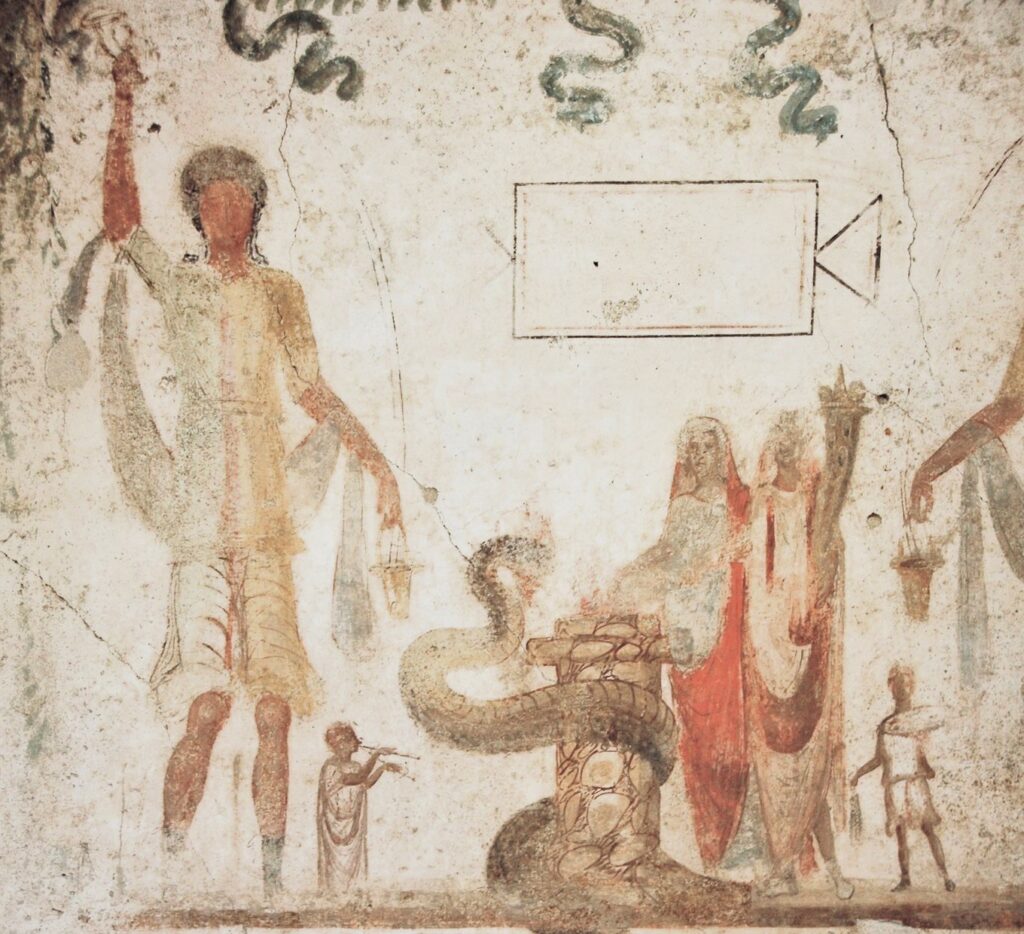
Les Caristia, quand la maison romaine célèbre la chère parenté
Le 22 février, la maison romaine retrouve les vivants. Après les jours consacrés aux morts – les Parentalia et leur clôture, les Feralia – le calendrier marque un basculement. On quitte les tombeaux pour revenir vers ceux qui partagent encore la table familiale. C’est la fête des Caristia, appelée aussi Cara Cognatio, «la chère parenté».
Ovide en donne la description dans le livre II des Fastes. Il résume d’une formule le sens du jour:
«Assurément, en quittant les tombeaux et les proches décédés,
il est agréable de reporter aussitôt ses regards sur les vivants,
et, après tant de proches disparus, d’observer ce qui reste de son sang,
et de dénombrer les générations de sa famille.»[1]
La célébration se déroule dans le cadre domestique. Les membres de la famille se réunissent, brûlent de l’encens et font des offrandes aux Lares, dieux tutélaires de la maison. Un repas est partagé, et l’on met l’accent sur l’affection familiale et la concorde.
Les Caristia sont aussi un jour de réconciliation. Ovide place la fête sous le signe de la Concorde et, non sans ironie, rappelle qu’une table de famille suppose parfois d’écarter ceux qui entretiennent la discorde: il dresse une galerie d’exemples mythiques de violences intrafamiliales, comme autant de contre-modèles.
Les sources tardives montrent que la Caristia reste inscrite dans le calendrier bien après la christianisation. Elle apparaît dans la Chronographie de 354, et le calendrier de Polemius Silvius (449 après notre ère) juxtapose ce jour à une commémoration chrétienne liée à Pierre et Paul.[2] Des rapprochements ont parfois été proposés entre ces repas de cohésion familiale et certaines pratiques chrétiennes (agapes ou repas commémoratifs), mais il s’agit d’hypothèses à manier avec prudence. Dans la Gaule mérovingienne, des autorités ecclésiastiques critiquent et encadrent des repas et usages festifs perçus comme des survivances problématiques, ce qui contribue à la disparition progressive de ces pratiques dans leur forme ancienne.
[1] Ovide, Fastes II, 617–620.
[2] Chronographie de 354 (Calendar of Filocalus):entrée «CARISTIA» au 22 février; Polemius Silvius (449 après notre ère):notice du 22 février.
👉 Toutes les fêtes du calendrier romain
Versione italiana
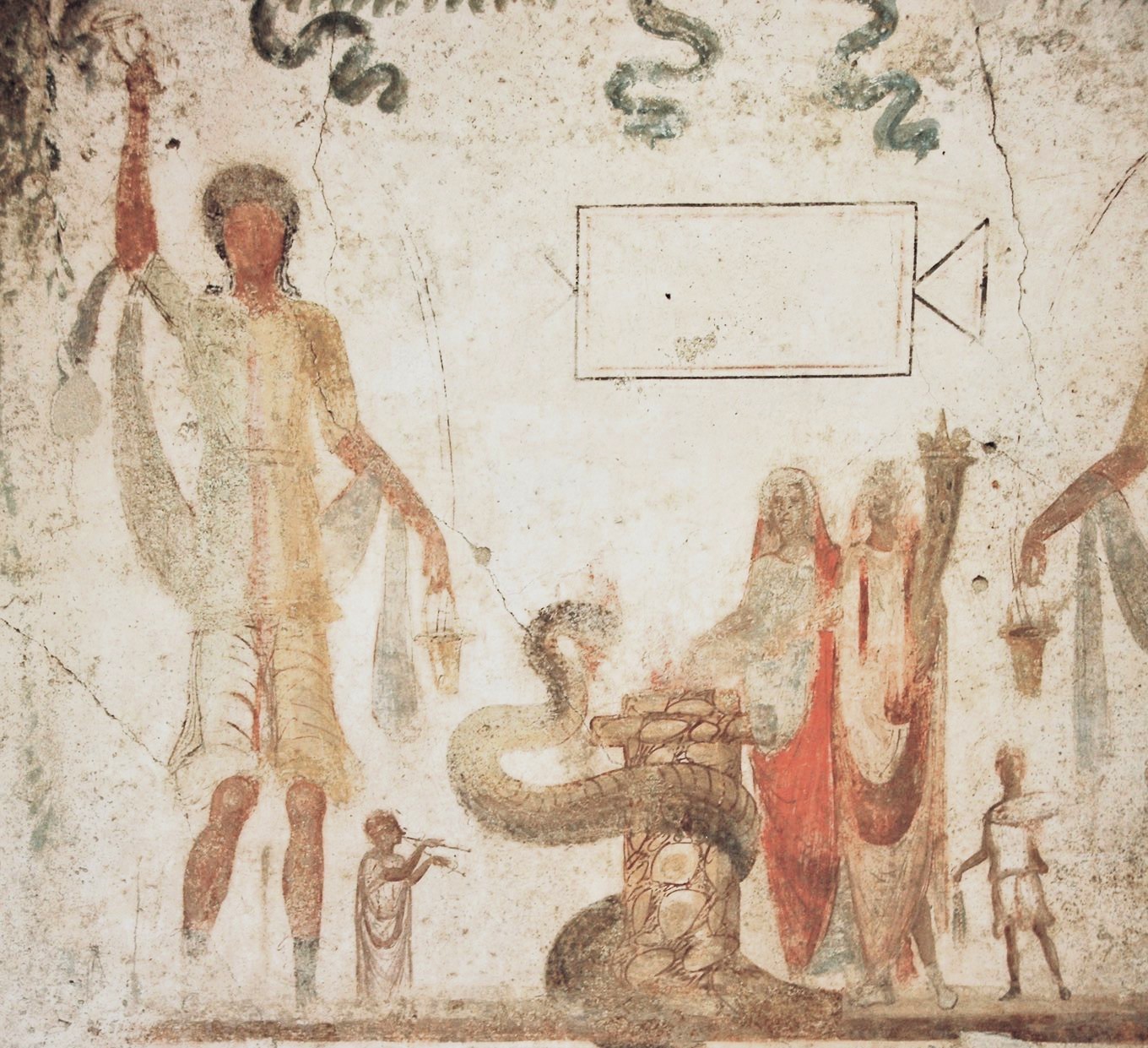 I Caristia, quando la casa romana celebra la “cara parentela”
Il 22 febbraio la casa romana torna ai vivi. Dopo i giorni dedicati ai defunti – i Parentalia e la loro conclusione, i Feralia – il calendario segna un passaggio. Si lasciano le tombe per tornare a chi siede ancora alla mensa di famiglia. È la festa dei Caristia, detta anche Cara Cognatio, “la cara parentela”.
Ovidio ne parla nel libro II dei Fasti e ne coglie il senso con poche parole:
«È dolce, lasciando le tombe e i parenti defunti,
rivolgere subito lo sguardo ai vivi,
e, dopo tanti scomparsi, osservare ciò che resta del proprio sangue
e contare le generazioni della famiglia.»[1]
La celebrazione appartiene alla sfera domestica. La famiglia si riunisce, brucia incenso e offre doni ai Lari, le divinità protettrici della casa. Si condivide un pasto, con l’idea di rinsaldare affetto e concordia.
I Caristia sono anche un giorno di riconciliazione. Con sottile ironia, Ovidio collega la festa alla Concordia e ricorda che l’armonia familiare non è automatica: elenca figure mitiche di delitti e violenze in famiglia, come esempi da tenere lontani dalla tavola.
Le fonti tardoantiche mostrano che la festa resta nel calendario anche dopo la cristianizzazione. Compare nella Chronography of 354, e nel calendario di Polemius Silvius (449 dopo la nostra era) lo stesso giorno è accostato a una commemorazione cristiana legata a Pietro e Paolo.[2] Alcuni studiosi hanno proposto, con cautela, possibili paralleli con pratiche cristiane di convivialità e memoria; si tratta però di ipotesi da maneggiare con prudenza. Nella Gallia merovingia, autorità ecclesiastiche criticano e regolano usi festivi e banchetti percepiti come “sopravvivenze” problematiche, favorendone il declino nelle forme antiche.
[1] Ovidio, Fasti II, 617–620.
[2] Chronography of 354:«CARISTIA» al 22 febbraio; Polemius Silvius:nota sul 22 febbraio.
👉 Tutte le feste del calendario romano
English version
Caristia, when the roman household celebrated “Dear kinship”
On February 22, the Roman household turned back to the living. After the days devoted to the dead – the Parentalia and their conclusion, the Feralia – the calendar marked a transition from tombs to the family table. This was the festival of the Caristia, also known as Cara Cognatio, “dear kinship”.
Ovid describes its spirit in Book II of the Fasti:
“It is pleasant, after leaving the tombs and departed relatives,
to turn one’s gaze again toward the living,
and, after so many losses, to observe what remains of one’s blood
and to count the generations of the family.”[1]
The celebration belonged to the domestic sphere. Families gathered, burned incense, and made offerings to the Lares, protective deities of the household. A meal was shared, stressing affection, continuity, and concord within the family group.
Caristia was also framed as a day of reconciliation. With pointed irony, Ovid connects the occasion to Concord and sketches a moral boundary: those who embody family violence and destructive conflict have no place at this table.
Late antique evidence shows that Caristia remained on calendars well after the empire’s Christianization. It appears in the Chronography of 354, and Polemius Silvius’ calendar (449 CE) aligns the date with a Christian commemoration associated with Peter and Paul.[2] Some scholars have cautiously suggested possible links between such family feasts and later Christian practices of communal meals and remembrance, but these remain hypotheses rather than certainties. In Merovingian Gaul, clerical authorities criticized and regulated festive meals and customs viewed as problematic “survivals”, contributing to the gradual disappearance of older forms.
[1] Ovid, Fasti II, 617–620.
[2] Chronography of 354 (Calendar of Filocalus):“CARISTIA” on Feb 22; Polemius Silvius (449 CE) notice for Feb 22.
👉 All the festivals of the Roman calendar