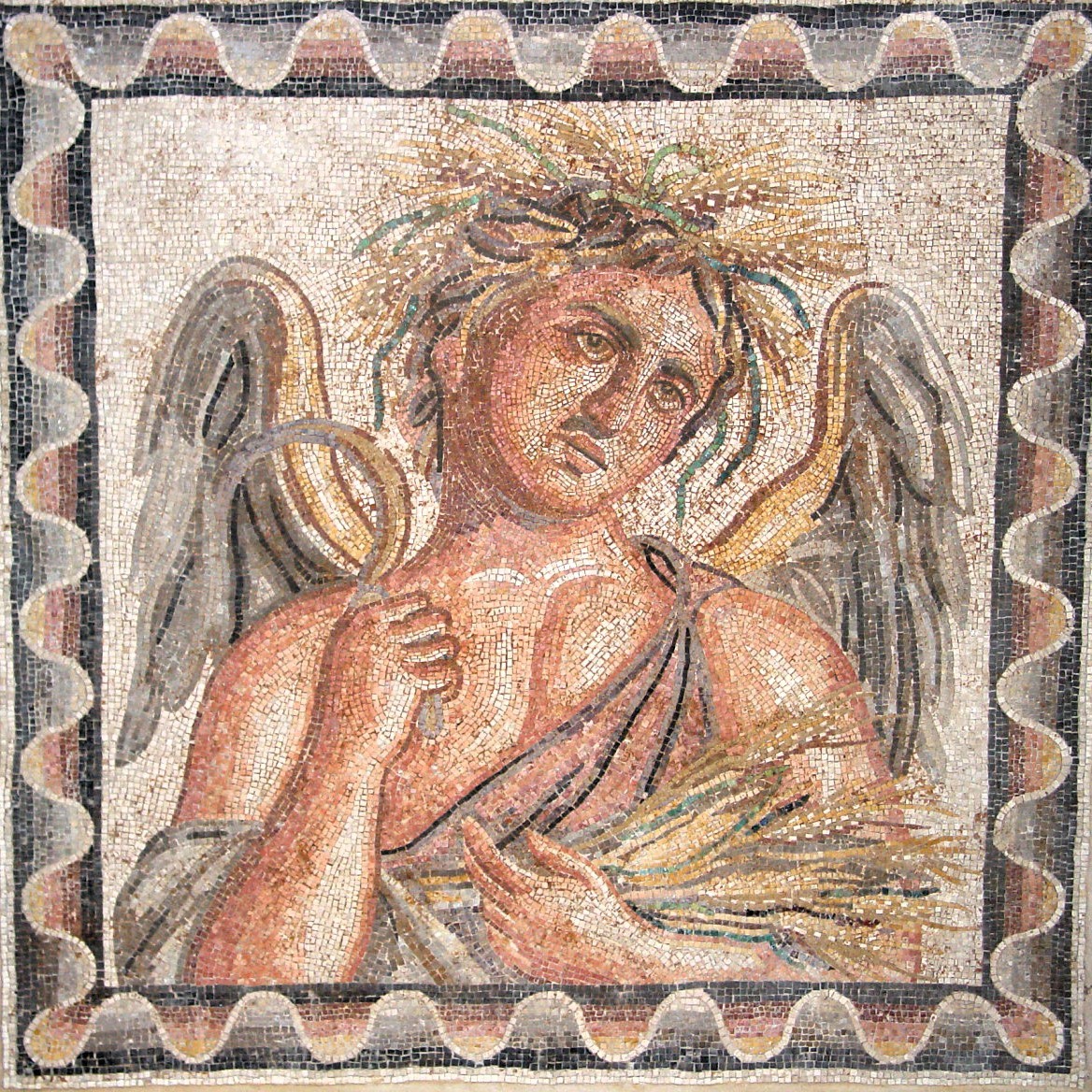
Translated from french (please notify us of errors) At the origins of Rome, there was einkorn, emmer and spelt, three so-called “hulled” cereals. This is a somewhat technical point, but here it is: after threshing, their grains remain enclosed within their husks (glumes), which requires an additional dehusking step. This drawback is offset by several […]
Grain and humans in pre-Roman Italy
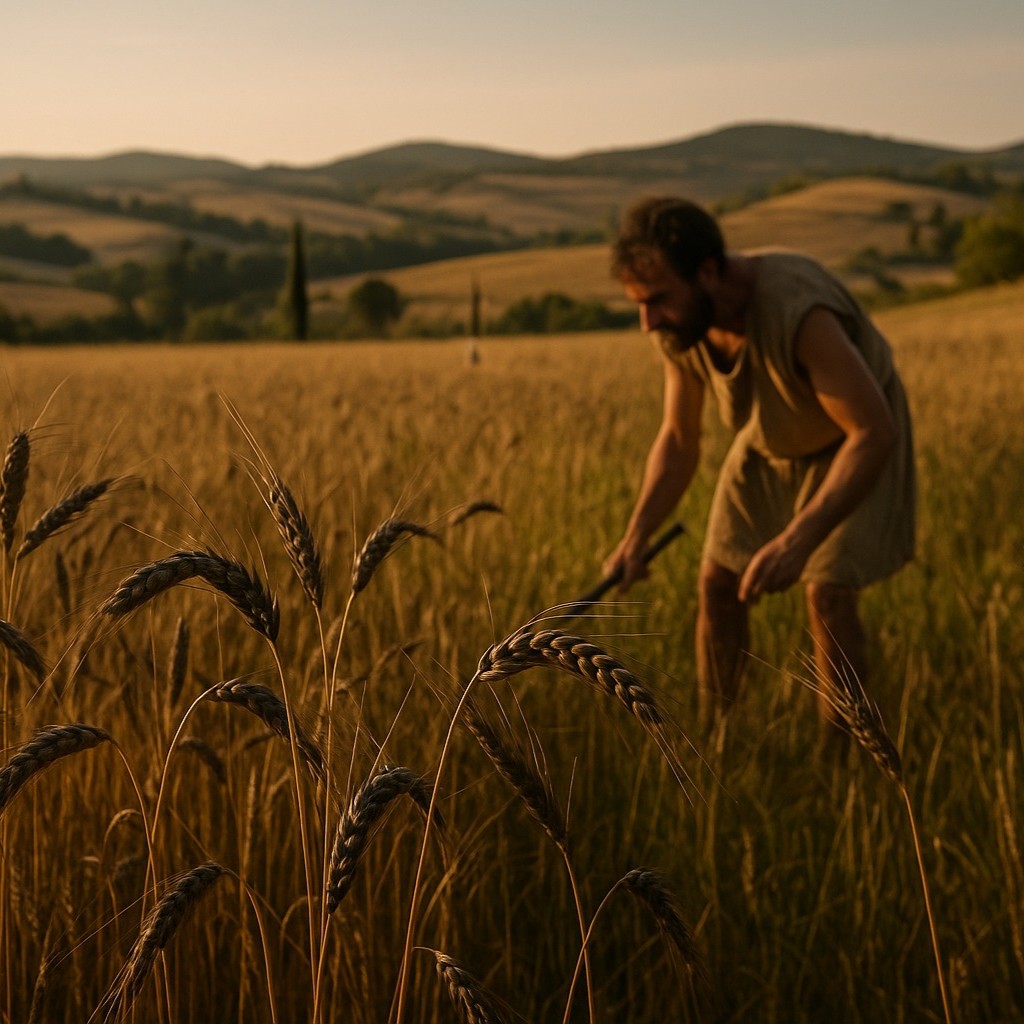
Translated from french (please notify us of errors) Long before Rome was born, cereals were already feeding the societies of the Italian peninsula. Cultivated since the Neolithic, they shaped not only diets, but also landscapes, exchange networks and ritual practices. Thanks to archaeobotany and archaeology, it is now possible to trace their history with growing […]
Barley, millet, rye and oats: the cereals of the margin
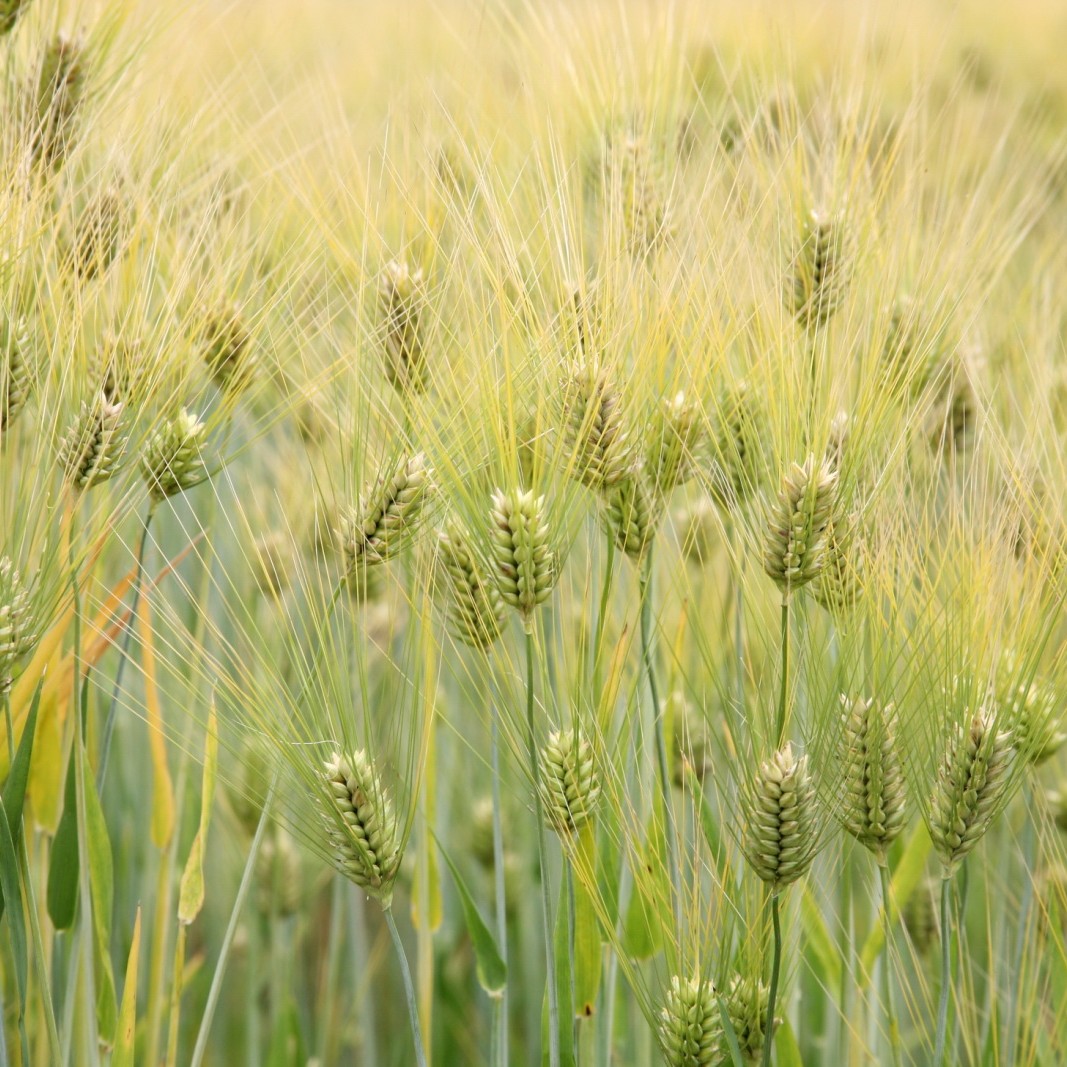
Translated from french (please notify us of errors) For centuries barley fed the Greeks, millet sustained Roman peasants, rye survived in the Germanic forests and oats were regarded as a weed. These are the cereals that Rome tolerated, sometimes despised, and yet badly needed. The three previous instalments of this series followed the great trajectory […]
How Rome kept its wine from turning to vinegar
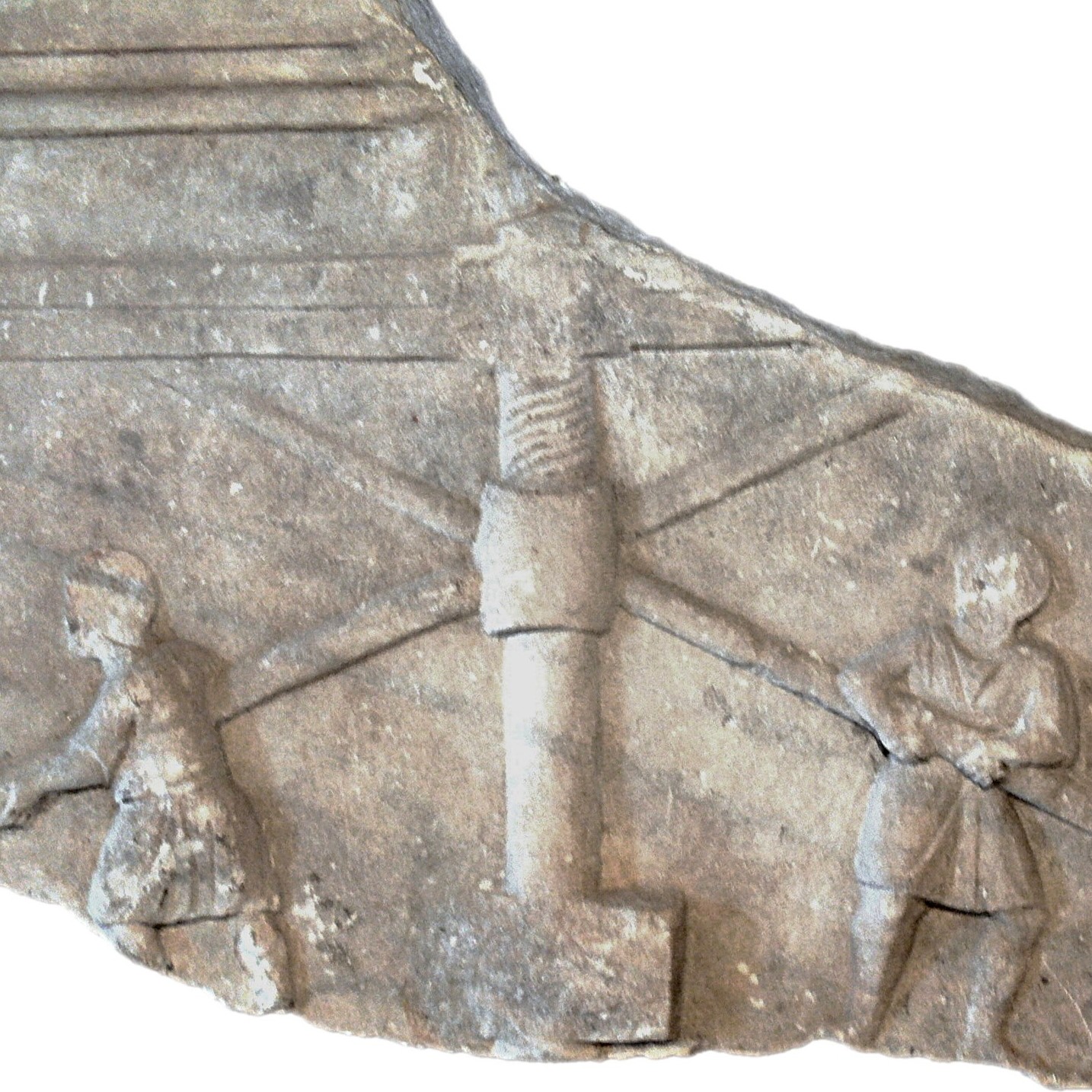
Translated from French (please notify us of errors) Making wine is not a matter of chance but of constant vigilance: from Cato to Galen, the Romans vied in ingenuity to prevent their grape must from turning sour. Wine needs little encouragement to spoil: once oxygen, bacteria and time intervene, must can end up as vinegar. […]
Roman asparagus: a humble shoot that went to its head
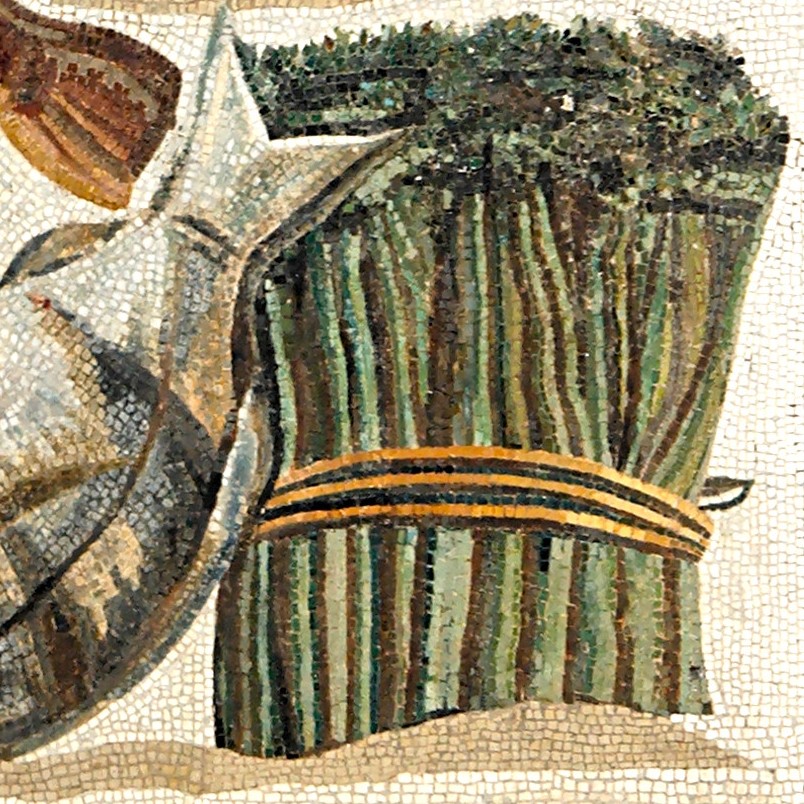
Translated from french (please notify us of errors) Nature had intended the corruda to be wild and free. Rome turned it into asparagus, sold at three times the price and reserved for wealthy tables. Pliny the Elder, who never minced his words, had a problem with what the Romans had made of asparagus. He says […]
Pestle, herbs and cheese: the secret of the moretum

Translated from french (please notify us of errors) Roman gastronomy was not limited to the extravagant feasts described by Petronius or the imperial banquets displaying peacocks and moray eels. On modest farms, simple but flavoursome dishes were prepared. The moretum is one of the most emblematic. This typically Roman preparation must be made with the […]
Eat and observe: the art and survival of the ancient parasite
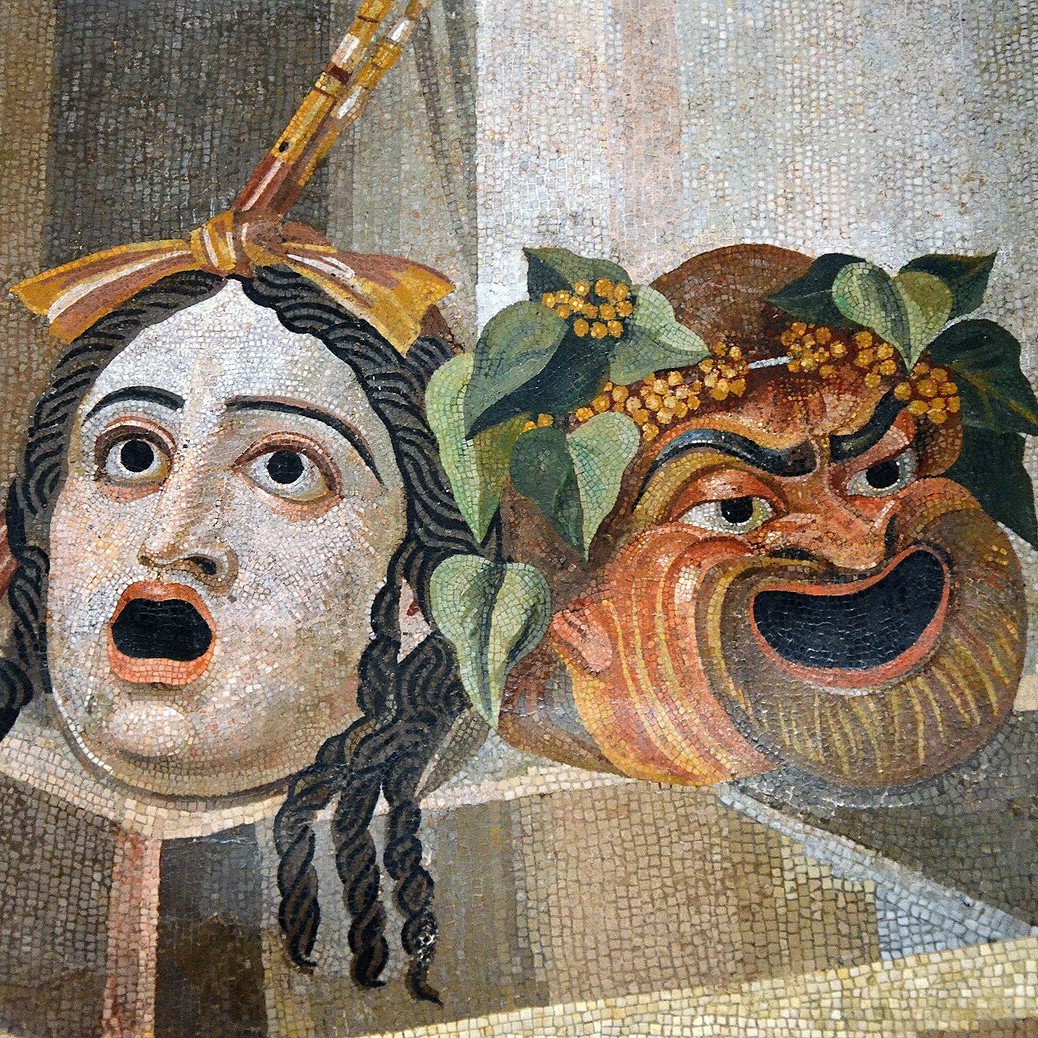
Translated from French (please notify us of errors) He was called parasitos by the Greeks, parasitus by the Romans, ate at others’ expense and boasted of it. A religious official in origin, he became the most clear-sighted comic character of antiquity: the one who understood, before anyone else, that the meal is a stage. At […]
Ten thousand snails for a purple toga

Translated from French (please notify us of errors) A hecatomb of sea snails, a transparent mucus, and a smell to drive away everyone around you. Tyrian purple was for two millennia the most coveted substance among the powerful… and the most imitated in the ancient world. Two years ago, in the bay of Kiladha, to […]
Puls, porridge of the ancients, the wealthy and the gods
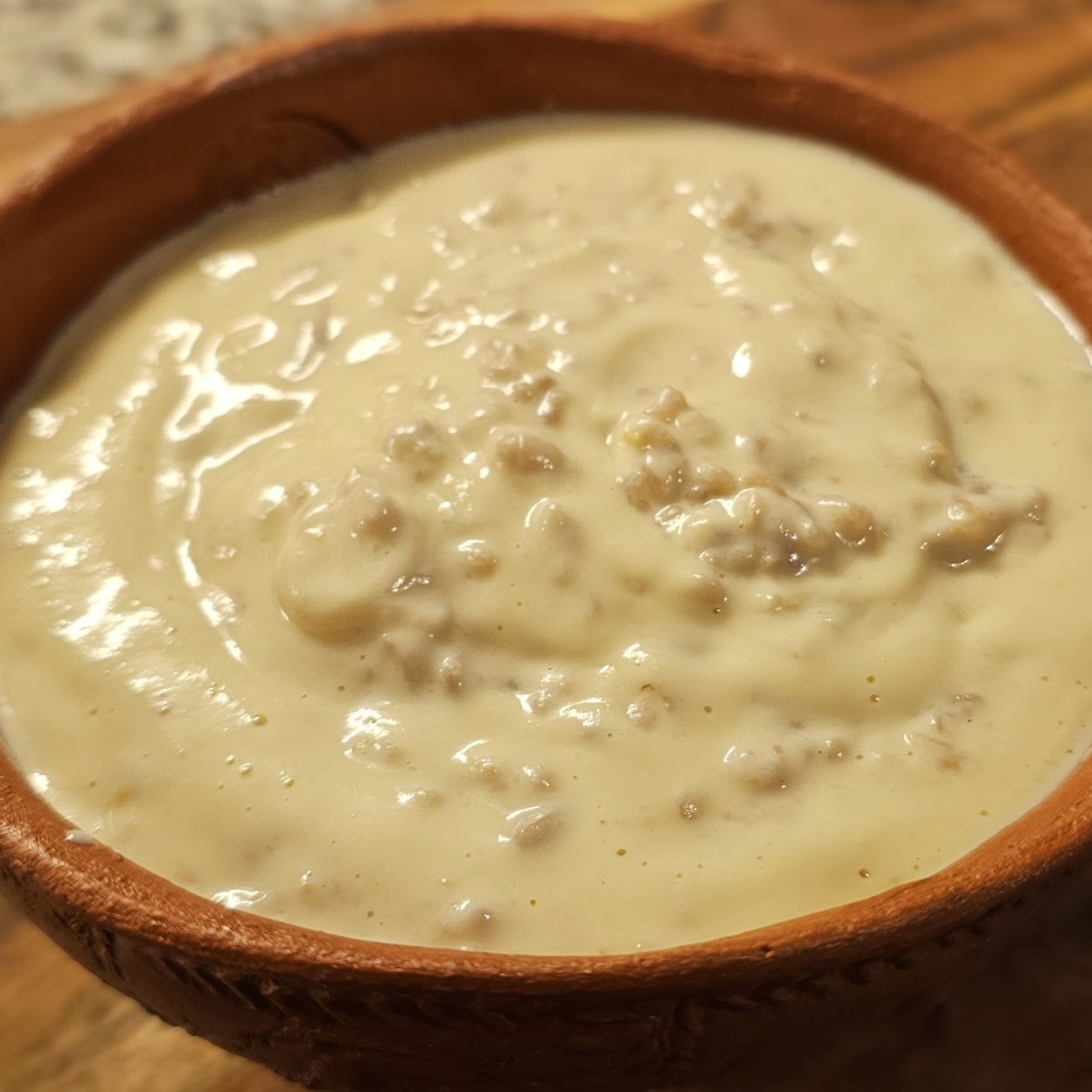
Translated from french (please notify us of errors) Varro and Pliny agree: before bread, there was puls. This cereal porridge, associated with the far of the ancient Latium, went on to enjoy a double career: a gastronomic preparation in Apicius, a ritual offering at the Kalends of June. When Cicero mocks the sacred chickens hurling […]
Did the Romans eat the animals slaughtered in the arena?
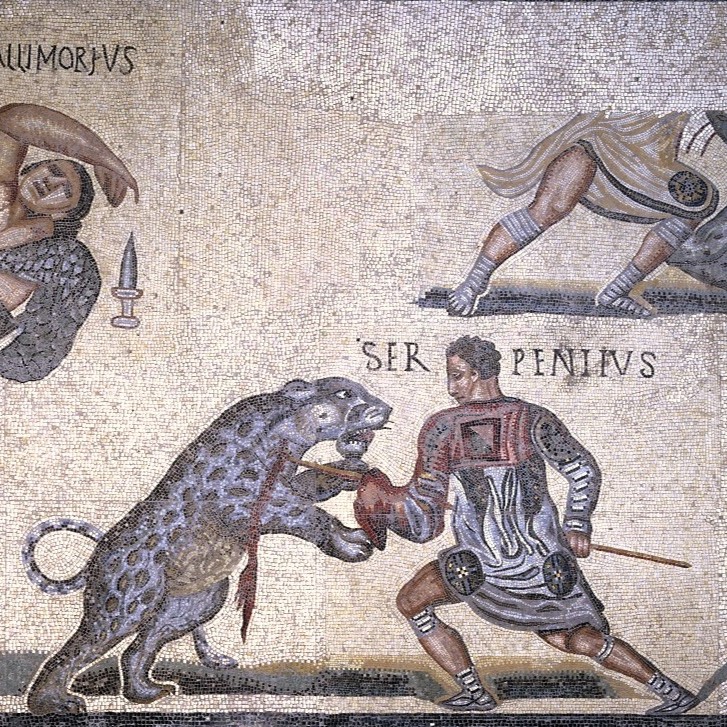
Translated from french (please notify us of errors) Although we know Roman animal spectacles in great detail, one question remains strangely overlooked: what became of all that meat? Over the roughly 500 years during which animal spectacles were offered to the Roman people, hundreds of thousands of local and exotic animals were put to death. […]