Translated from french with Deepl (please notify us of errors)
Artemisia
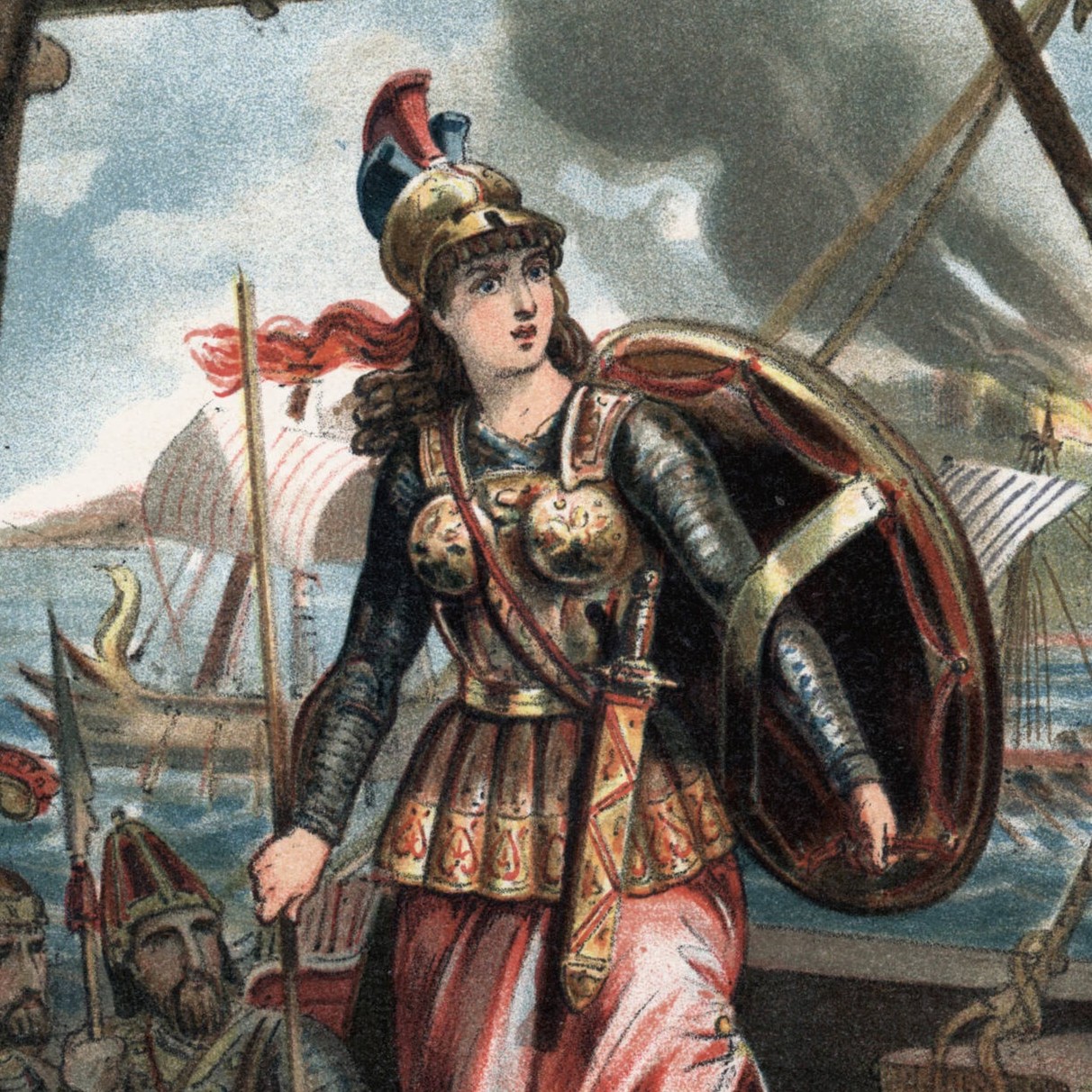
Artemisia I (Ἀρτεμισία), the warrior queen of the 5th century BCE, both fascinated and horrified the Greeks of her time.
She ruled over the ancient city of Halicarnassus in Caria (present-day Bodrum, Turkey). Greek by culture, her city was nonetheless subject to the Persian Empire. The queen played an active role in Xerxes I’s campaigns of conquest. At the head of a fleet, she fought against the Greeks at the Battle of Salamis with a courage and tenacity noted by Herodotus — a historian from the opposing camp, yet a native of the same city as her.
A few decades later, for the poet Aristophanes, the figure of Artemisia represented the worst that could befall men: emancipated women capable of building warships and launching attacks. A kind of Amazon of the seas — as fascinating as she was inconceivable and frightening to the Greeks.
Learn more: Wikipedia article Artemisia I of Caria
Aspasia
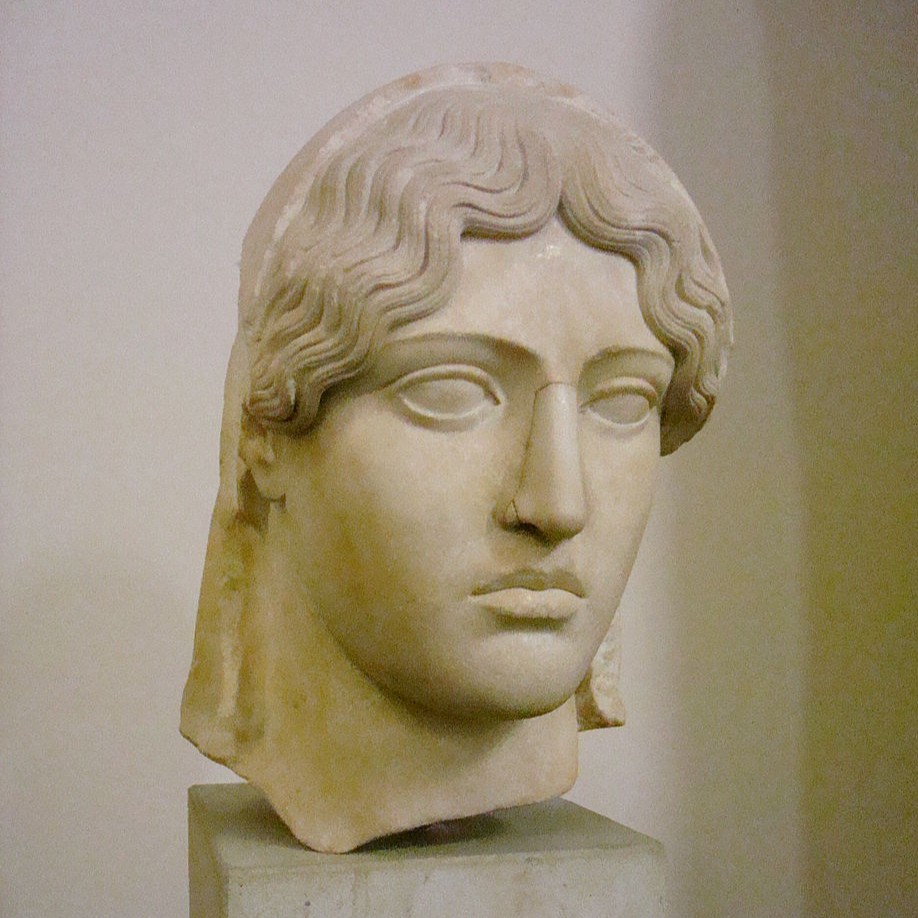
Aspasia (Ἀσπασία, c. 470–400 BCE) was a woman of letters and ideas from Miletus, companion of Pericles and a major intellectual figure in 5th-century BCE Athens.
A foreigner in Athens — and therefore a metic, holding an intermediate status between citizen and alien — Aspasia was not bound by the rules that confined Athenian women to the domestic sphere. She was thus able to take part in the philosophical and political debates of her time, associate with Socrates, Sophocles, and Phidias, and exercise a notable influence on Athenian public life. Plato, Xenophon, and Aristophanes all mentioned her in their writings.
Some ancient sources portrayed her as a hetaira — a high-class courtesan — but modern historians treat this accusation with caution: impugning the morals of an opponent or those close to him was a common rhetorical device of the time, used to discredit the powerful. What is certain is that Aspasia embodied, in an exceptional way for a woman of her era, freedom of thought and active participation in the intellectual life of the city.
Learn more: Wikipedia article Aspasia
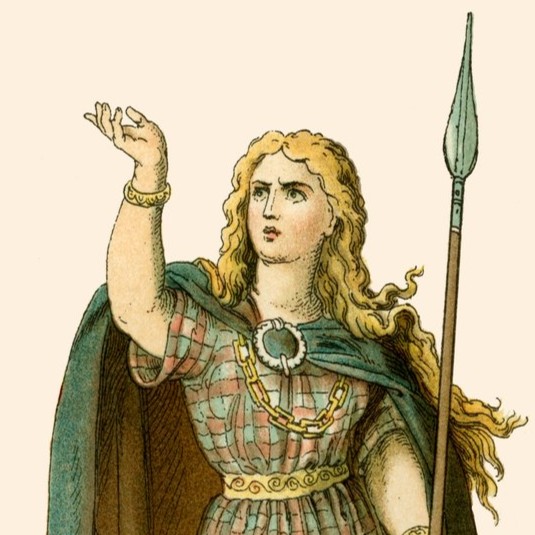
Boudicca
Boudica (Boudicca in the Roman historian Tacitus), born around 30 and died in 61 CE, was the queen of a Celtic people in present-day Britain who rose up against the Romans.
Boudicca is a legendary figure of courage and resistance. To avenge the humiliations and atrocities inflicted upon her family and people, she took up arms against the Romans around 60 CE. After several victories — accompanied by atrocities in return, for this was a brutal age — the Romans regained the upper hand. The final battle was decisive: around 80,000 losses on Boudica’s side, against 400 on the Roman side.
The war leader did not long survive this defeat, though the exact cause of her death remains uncertain. In writing his saga A Song of Ice and Fire, George R. R. Martin drew on Boudica as inspiration for the character of Daenerys Targaryen.
Learn more: Wikipedia article Boudica

Cleopatra VII
Cleopatra VII (69–30 BCE) was the last ruler of the Ptolemaic dynasty of Egypt.
A cultivated and multilingual ruler, Cleopatra was the only member of her dynasty to speak Egyptian. To preserve her kingdom’s independence against Rome, she allied herself successively with Julius Caesar and then with Mark Antony, with whom she had one and three children respectively. Following their defeat by Octavian (the future Augustus) at the Battle of Actium, she chose suicide over humiliation. Legend has it that she allowed herself to be bitten by an asp.
Often reduced to the image of a seductress, Cleopatra was above all a brilliant political strategist and an intellectual. Her death marked the end of independent Pharaonic Egypt, which then became a Roman province.
Learn more: Wikipedia article Cleopatra VII
Enheduana
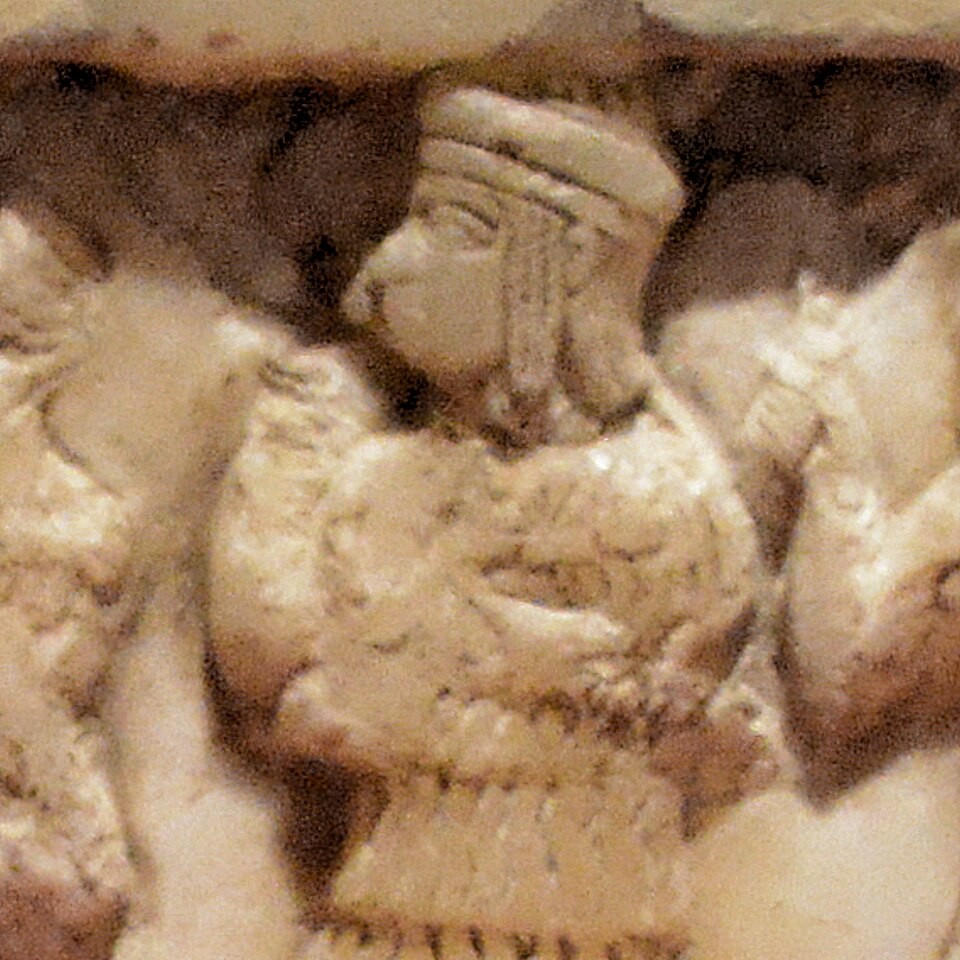
Enheduana (23rd century BCE) was high priestess of the city of Ur and a poet writing in Sumerian — the first author in history whose name and a significant portion of whose work have come down to us.
Daughter of King Sargon of Akkad, founder of the first great Mesopotamian empire, she was installed by her father as high priestess of the moon god Nanna at Ur, the highest position in the Sumerian priestly hierarchy. This appointment also served a clear political purpose: to consolidate Akkadian power over the newly conquered cities of Sumer.
Mesopotamian tradition attributed to her at least three hymns, two of them in honour of the goddess Inanna. While scholars continue to debate the precise attribution of these texts, she is generally accepted as their author. Her name means in Sumerian “the high priestess is the ornament of Heaven.” An alabaster disc depicting her, found at Ur, stands as one of the most direct material testimonies to her life.
Learn more: Wikipedia article Enheduanna
Gorgo
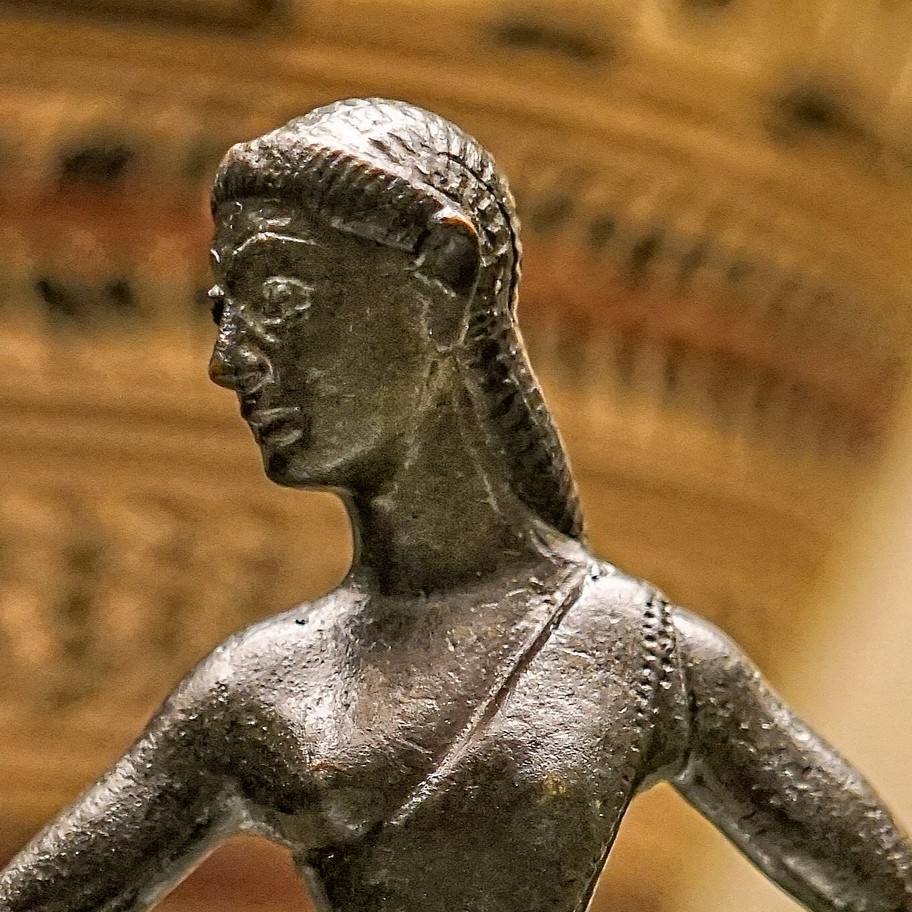
Gorgo (in ancient Greek Γοργώ), born around 506 BCE, was a princess and queen of Sparta, daughter of King Cleomenes I and wife of the famous King Leonidas I.
An emblematic figure of the Spartan woman, Gorgo distinguished herself from a young age through her intelligence and sharp wit. Herodotus recounts that as a child she advised her father not to be corrupted by the gold of the tyrant Aristagoras of Miletus, who was seeking Sparta’s military support. Also famous is her reply to an Athenian woman who asked why Spartan women were the only ones who could command men: “Because we are the only ones who give birth to men.”
After the glorious death of her husband at Thermopylae in 480 BCE, she is said to have been the only person able to decipher a secret message warning the Greeks of Xerxes’ impending invasion. Unlike the women of other Greek cities, Gorgo benefited — as all Spartan women did — from a complete education and enjoyed a remarkable degree of freedom within society.
Learn more: Wikipedia article on Gorgo, Queen of Sparta
Hatshepsut
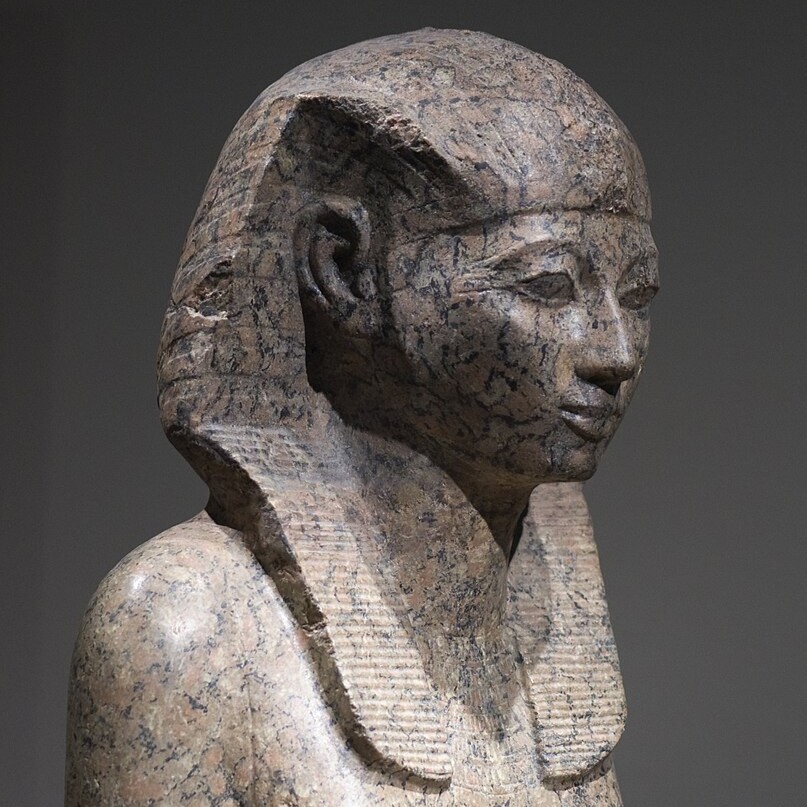
Hatshepsut (c. 1508–1458 BCE) was one of the rare women to have reigned as pharaoh of Egypt, the fifth ruler of the 18th dynasty.
Daughter of Pharaoh Thutmose I and wife of Thutmose II, Hatshepsut came to power as regent for her stepson Thutmose III, who was still a child. But far from confining herself to this transitional role, she established herself as a full pharaoh in her own right, donning the double crown and the pschent, and having herself depicted with the false beard reserved for kings. Her reign, of around twenty years, was marked by prosperity, major architectural projects — including the magnificent mortuary temple at Deir el-Bahari — and ambitious trading expeditions to the land of Punt.
The Egyptologist James Henry Breasted described her as “the first great woman in history of whom we are informed.” After her death, her successors methodically attempted to erase her memory by chiselling away her representations and cartouches — without, however, succeeding entirely.
Learn more: Wikipedia article Hatshepsut
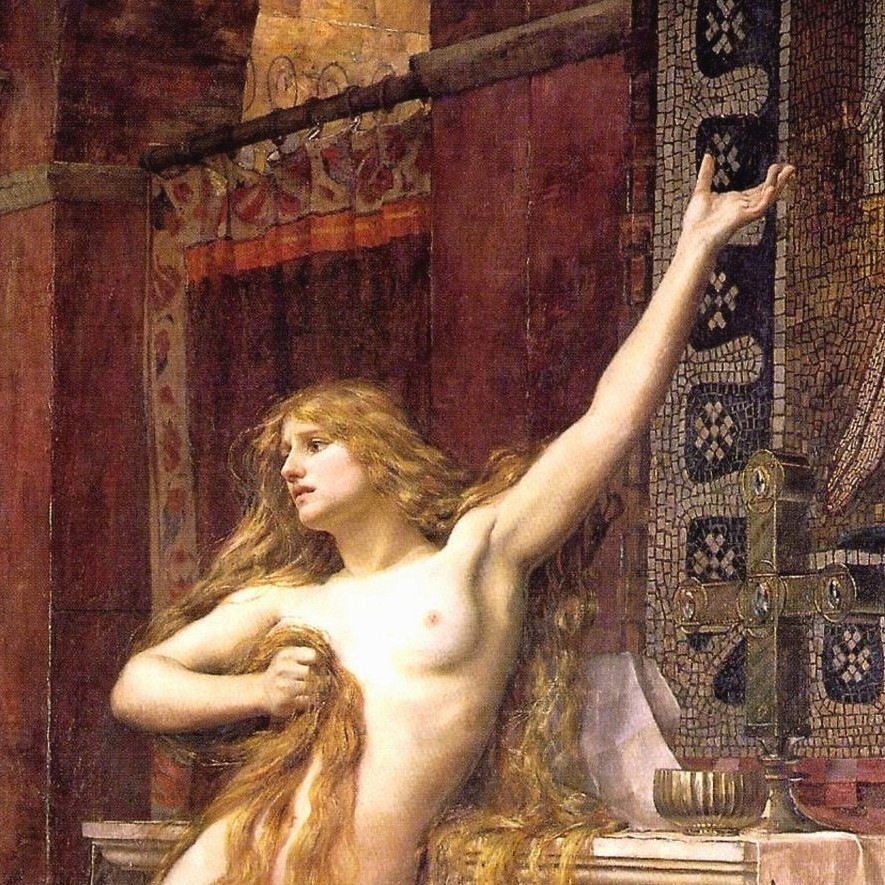
Hypatia
Hypatia (Ὑπατία), born between 355 and 370 and died in 415, was a Neoplatonist philosopher, astronomer, and mathematician from Alexandria.
At the head of the Neoplatonic school of Alexandria, Hypatia taught philosophy, mathematics, and astronomy there. She remains, to this day, the symbol of female excellence in the sciences — and of tolerance too, since, though not a Christian, she opened her school to all. She also became, tragically, the embodiment of intellect persecuted by obscurantism, when fanatical Christians — at a time when their religion was supplanting the ancient cults — had her murdered. The film Agora (2009) by director Alejandro Amenábar pays tribute to this exceptional woman.
Learn more: Wikipedia article Hypatia
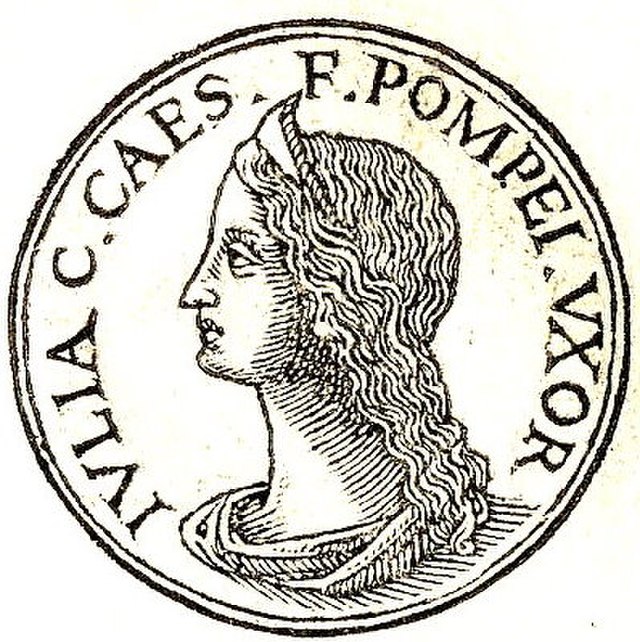
Julia
Julia Caesaris (c. 83–54 BCE) was the daughter of Julius Caesar and the wife of Pompey.
Little is known about Julius Caesar’s only daughter, other than that she served her father’s interests by sealing through marriage his alliance with Pompey the Great. Reputed to have been a woman of great beauty, she is said to have drawn her ageing conquering husband away, for a time, from politics and back towards domestic life… But she died young, without children. The entente between Caesar and Pompey did not outlast her — but that is another story.
Learn more: Wikipedia article Julia (daughter of Caesar)
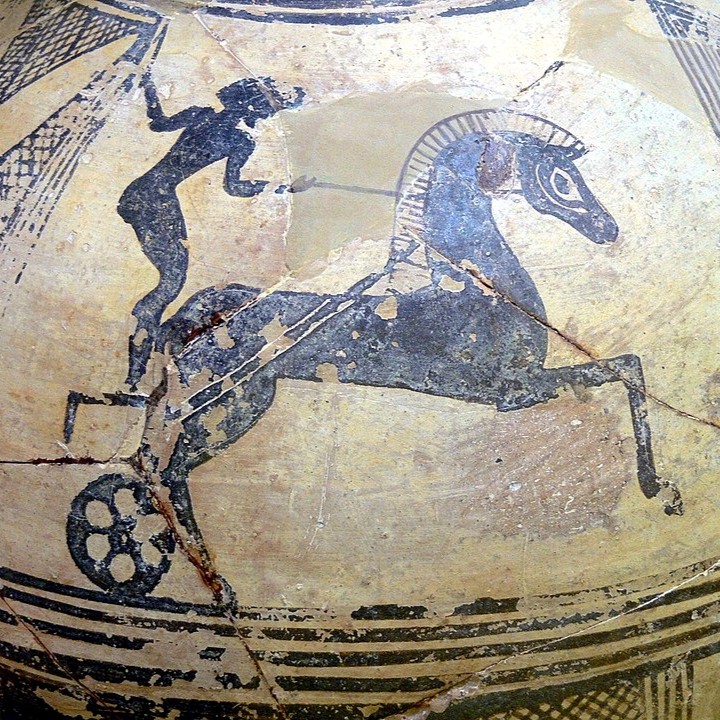
Kyniska
Kyniska (in ancient Greek Κυνίσκα), born around 440 BCE and died in the 4th century BCE, was a Spartan princess, daughter of King Archidamos II and sister of King Agesilaus II.
She entered history as the first woman to win a victory at the ancient Olympic Games, even though women were not permitted to participate directly. Kyniska triumphed in the prestigious four-horse chariot race, first in 396 BCE and then a second time in 392 BCE. As the owner of the teams, she was declared the victor, even though she did not drive the chariots herself.
According to Plutarch, it was her brother Agesilaus who encouraged her in this endeavour. Kyniska had a commemorative statue erected at Sparta celebrating her victories, and her name was inscribed on a monument at Olympia — an exceptional distinction for a woman of that era.
Learn more: Wikipedia article on Cynisca
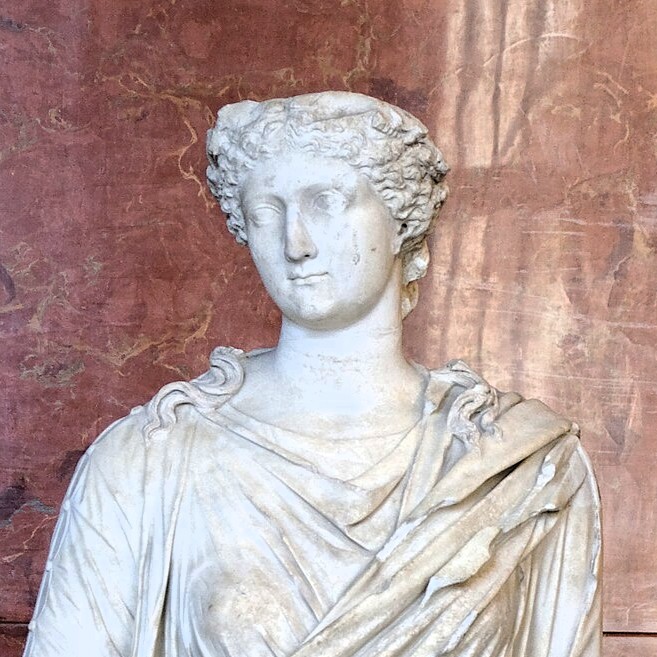
Livia
Livia Drusilla, born in 58 BCE and died in 29 CE, was the third wife of Emperor Augustus and the mother of Emperor Tiberius.
Her beginnings were hardly auspicious — her family had sided with the losers of the war that followed Julius Caesar’s assassination. Yet Livia evidently combined exceptional intelligence, an iron will, and an extraordinary strategic sense. These qualities carried her to the summit of the empire, at the side of its first emperor, Augustus, whose support and confidante she became. Livia thus played a major role behind the scenes of power. She was regularly consulted within the consilium principis, the inner circle of close advisers, and her influence was reflected in imperial politics and propaganda.
The television series Domina (Sky, 2021) traces the life of this exceptional woman.
Learn more: Wikipedia article Livia
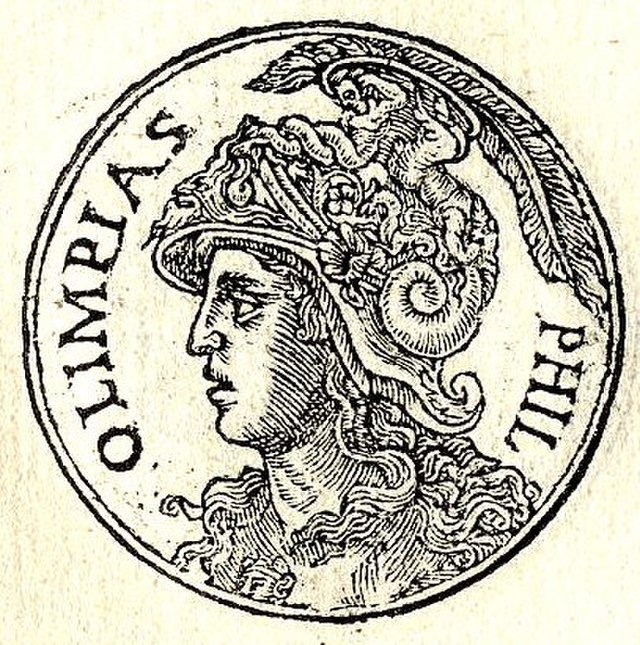
Olympias
Olympias (in ancient Greek Ὀλυμπιάς), born around 375 BCE and died in 316, was a princess of Epirus and the mother of Alexander the Great.
At once a historical figure and a figure of legend, Olympias was said to be an intelligent, courageous, hot-tempered, and jealous woman. Legend has it that Alexander was not conceived with her husband Philip II, King of Macedon, but with Zeus himself — a conveniently flattering version for the future great conqueror, who did not hesitate to invoke this supposed divine lineage.
Deeply involved in political affairs — a devoted mother to some, a woman driven by boundless ambition to others — she was said by some ancient sources to sleep with serpents. In short, a larger-than-life character whose image has been shaped over the centuries to reinforce that of Alexander himself.
Learn more: Wikipedia article Olympias
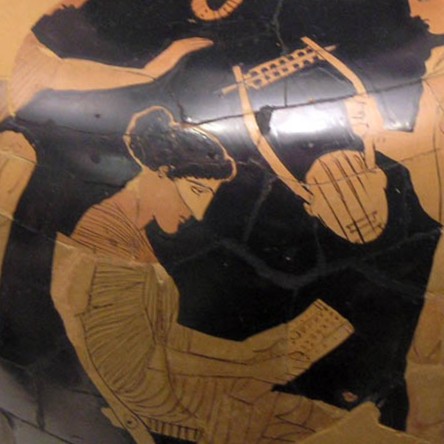
Sappho
Sappho (in ancient Greek Σαπφώ) was a Greek poet of antiquity who lived in the 7th and 6th centuries BCE, in Mytilene on the island of Lesbos.
In antiquity, Sappho was a true celebrity, known urbi et orbi. Sadly, her poetic work has survived only in fragmentary form, preserved in a handful of papyrus scraps. Her reputation, however, has transcended the ages: Sappho is known for having expressed in her writings her attraction to young women — hence the term “sapphism” to denote female homosexuality, while the word “lesbian” derives from Lesbos, the island where she lived.
Learn more: Wikipedia article Sappho
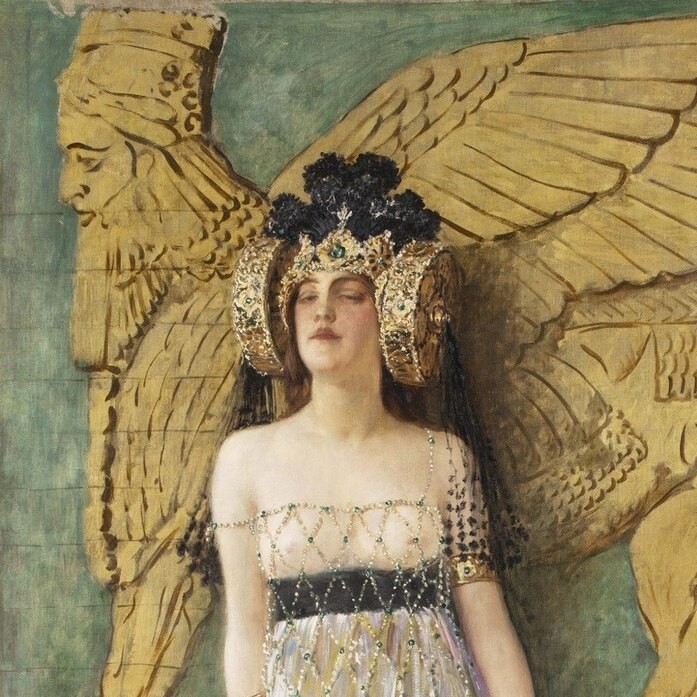
Semiramis
Semiramis (Σεμίραμις) is a legendary queen of Babylon, a mythical figure of ancient Mesopotamia whose story blends history and legend, and whom the Ancients regarded as one of the greatest rulers of the Orient.
According to the tradition recorded by Diodorus Siculus — drawing on the historian Ctesias of Cnidus — Semiramis was born of the union between a goddess and a mortal, abandoned at birth, raised by doves, and then taken in by shepherds. Having become queen after brilliantly advising her first husband’s military campaigns, she married King Ninus of Nineveh, seized power upon his death, and led numerous victorious conquests. She was credited with the construction of Babylon and its famous walls.
Her character is in all likelihood modelled on two historical Assyrian queens: Sammuramat and Zakutu, who actually wielded power in the 9th and 7th centuries BCE. Herodotus already cited her as one of the two greatest queens of Babylon. At once a warrior, a builder, and an almost divine figure, Semiramis has endured through the ages as the symbol of the reigning woman in a world dominated by men.
Learn more: Wikipedia article Semiramis
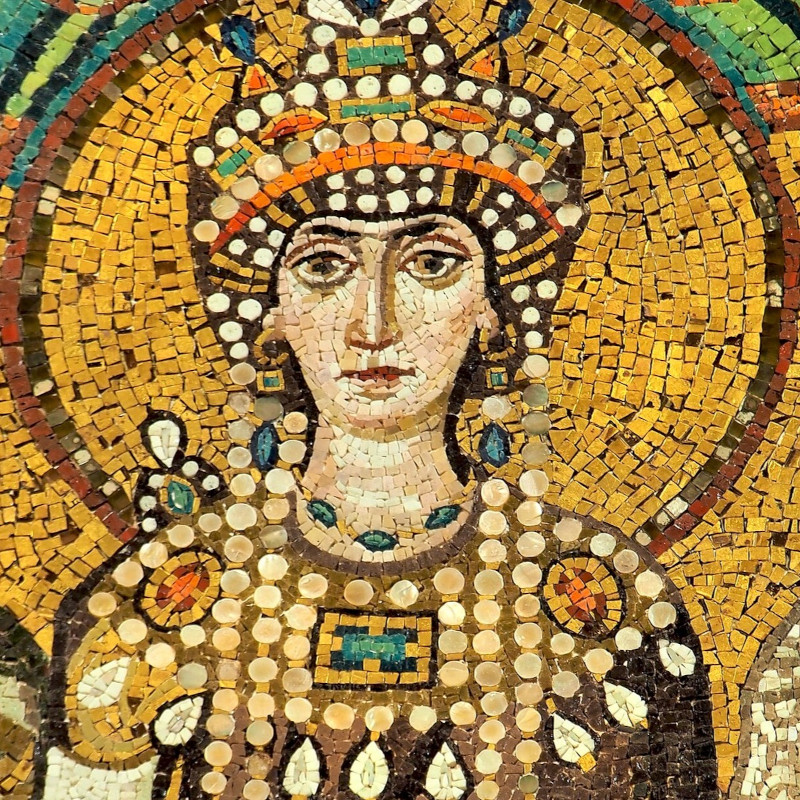
Theodora
Theodora (Θεοδώρα, c. 500–548) was Byzantine empress and co-regent of the Empire with her husband Justinian I — one of the most powerful women in Byzantine history.
Her rise was nothing short of remarkable: daughter of a bear-trainer at the Hippodrome of Constantinople and a former dancer, she won the admiration and then the love of Justinian, who married her and gave her a full share of power. Their joint reign, from 527 to 548, was a period of major transformations for the Byzantine Empire. Theodora exercised a decisive influence on Justinian’s legislative reforms, particularly in favour of women’s rights. In 532, during the Nika revolt that threatened to topple the emperor, she is said to have dissuaded him from fleeing — thereby saving his throne.
Shrewd and ruthless, she relied on a vast network of political relationships to govern. The sources about her are contradictory: her contemporary Procopius of Caesarea alternately praised her during her lifetime and vilified her after her death in his Secret History. She and Justinian are depicted in the famous mosaics of the Basilica of San Vitale in Ravenna, a resplendent testament to her imperial rank.
Learn more: Wikipedia article Theodora
Other celebrated women of antiquity
One should of course also mention Hipparchia, Cleopatra Selene II, Septimia Bathzabbai Zenobia, and many others besides…
See:
- the website histoireparlesfemmes.com
-
La Nymphe et la Sorcière. The podcast (in french) that tells the stories of heroines of antiquity.
Other articles in English from the Nunc est bibendum blog